
【OCAT上海馆|作品介绍】王拓《扭曲词场》
当前展览“自由联接 —— 2020 OCAT x KADIST 青年媒体艺术家展览” 共计展出37件作品,其中6件为OCAT上海馆委托新作。“作品介绍”系列将在展期内,以展厅陈列顺序依次为大家推送每一件作品的介绍。完整参观本次展览所需时间约8小时,请合理安排观展行程。
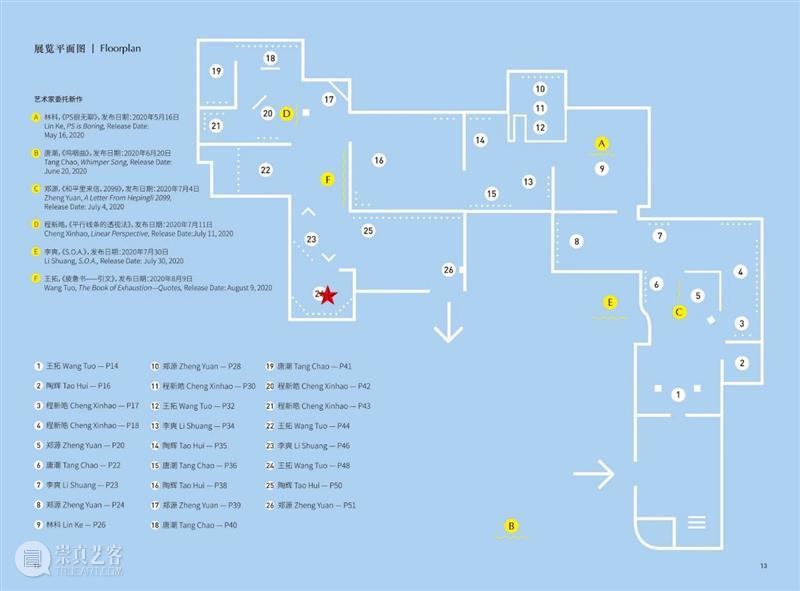
星标为《扭曲词场》在本次展览所处位置
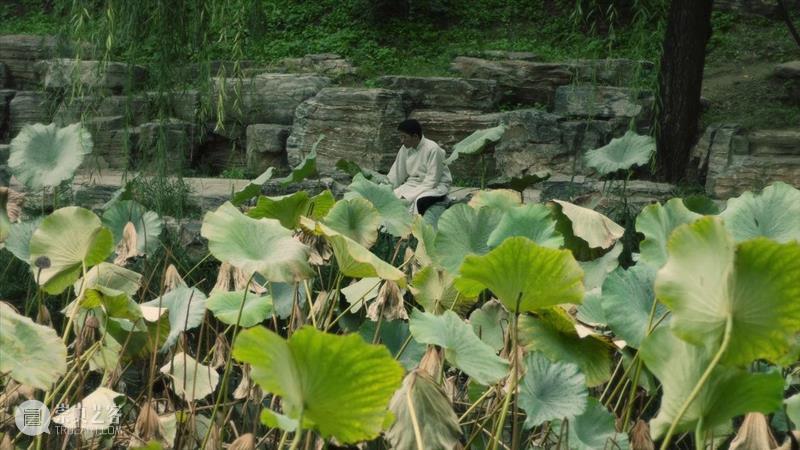
《扭曲词场》静帧,图片致谢艺术家及空白空间北京
扭曲词场
2019
三通道高清录像,彩色, 有声
24分38秒
作品由艺术家、空白空间北京提供
Distorting Words
2019
Three-Channel HD Video (color, sound)
24’ 38”
Courtesy of the artist and White Space Beijing
王拓的影像经常是种时空综合体。他近年开启的东北项目中的首部作品《烟火》(2018)中的一条主要线索演绎自对“张扣扣复仇案”的侧写及其重新排演。对王拓来说,复仇这种身体力行的冲动之所以能够和一个复杂的东北论述产生共振,不仅是因为这种古典的激烈动作如同一个时空穿刺的印证,更是因为复仇本身驱动了一系列个人的仪式并作为必要的中介, 以及成为身份转化的契机。《烟火》从一名东北农民工的日常生活展开,他一边在电影的道具仓库里翻阅古代志异与民国传奇并即兴扮演,而在另一边, 有关自己归乡的叙事反转直下,最终演变成一场等待已久的暴力仪式。
继《烟火》之后,三频影像《扭曲词场》是王拓东北项目中的最新作品。在这件作品中,艺术家通过展现深陷历史轮回泥沼之中的具体身体,进而提出关于“泛萨满化”的观点:这里的“泛萨满化” 并不是指一种特定的信仰形态或载体,而是暗示在我们浑然不觉的历史轮回情境中,具体的身体成为了连接不同时空叙事的泛灵媒介。影像由几重时空交叠而成, 1919年新民主主义运动开端,北大学生郭钦光参与五四运动期间死亡。2019年,张扣扣被执行枪决。返乡复仇前夜在城市中游荡的主人公,与两场时隔一百年重叠的牺牲产生交集。王拓在片中也同时将“泛萨满化”引向身体媒介与网络媒介的共生与互相激发的状况。用王拓自己的话来说,整个社会正在经历“泛萨满化”: 所有的生存经验都被介质化,所有的动作被仪式化,尽管没有萨满,却是集体出神。
Wang Tuo collapses diverse times and placesinto his films. Lately, he initiated his new projectin the Northeast of China, from which was bornthe film Smoke and Fire (2018). One of the main themes in this work is the artist's reinterpretation of the juridical case of the recent "Zhang Koukou's revenge", which carried out methodically tothree men that had been involved in the deathof his mother 22 years ago. For Tuo, the urge for vengeance resonates with a complex understanding of reality of northeastern China has its structural condition, that such an action actually penetrates to various historical moments of the similardeed, and that each act accompanies a series of complex psychological activities. We may see it as personalized rites of becoming a murderer. Smoke and Fire starts from the daily life of a migrant worker in Northeast China. The main character found sagas and legends from antiquity to the 20th century in the warehouse of a cinema and read them while improvising their plot. In contrast, the narrative about his returning home escalates into a long-prepared and ceremonial act of violence.
As Smoke and Fire (2018)'s sequel, Distorting Words is a three-channel film installation. The artist narrates an actual body that deeply trapped in the mire of historical reincarnation, or a pandemic-shamanization in the artist's own word. Without connotation abound to specific belief, his neologism suggests that there is historical reincarnation of our situations, which makes actual bodies would become mediums that sync us to different times and spaces. In the film, several times and spaces overlap with each other. For example, in 1919, the New Democracy Movement began, and Peking University student Guo Qinguang died during the protest of May Fourth. In 2019, Zhang Koukou was executed. A connection is thus produced between the protagonist who wandered around the city on the night before returning home for revenge, and the victim who died a hundred years ago. In Tuo's own words, "the whole society is experiencing a pandemic-shamanization: all living experiences are being mediated, all actions are being ritualized, and although there is no shaman, the collective trance is happening at every moment."
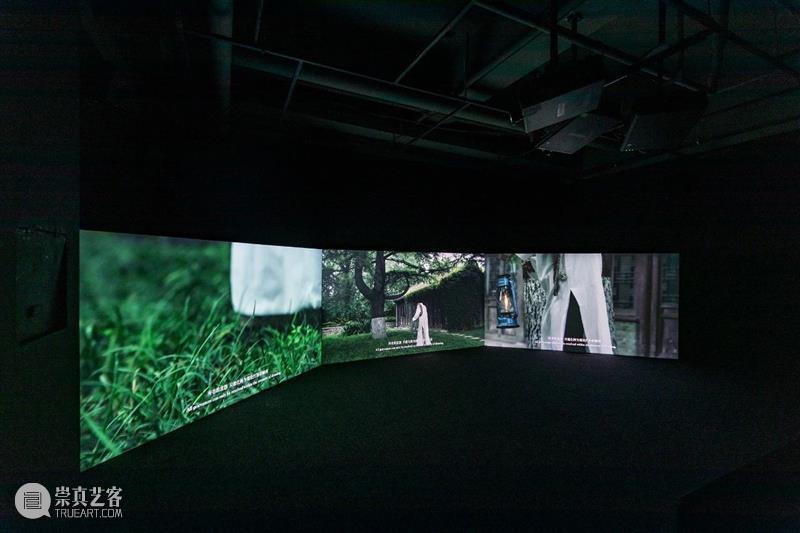
展场图
艺术家简介
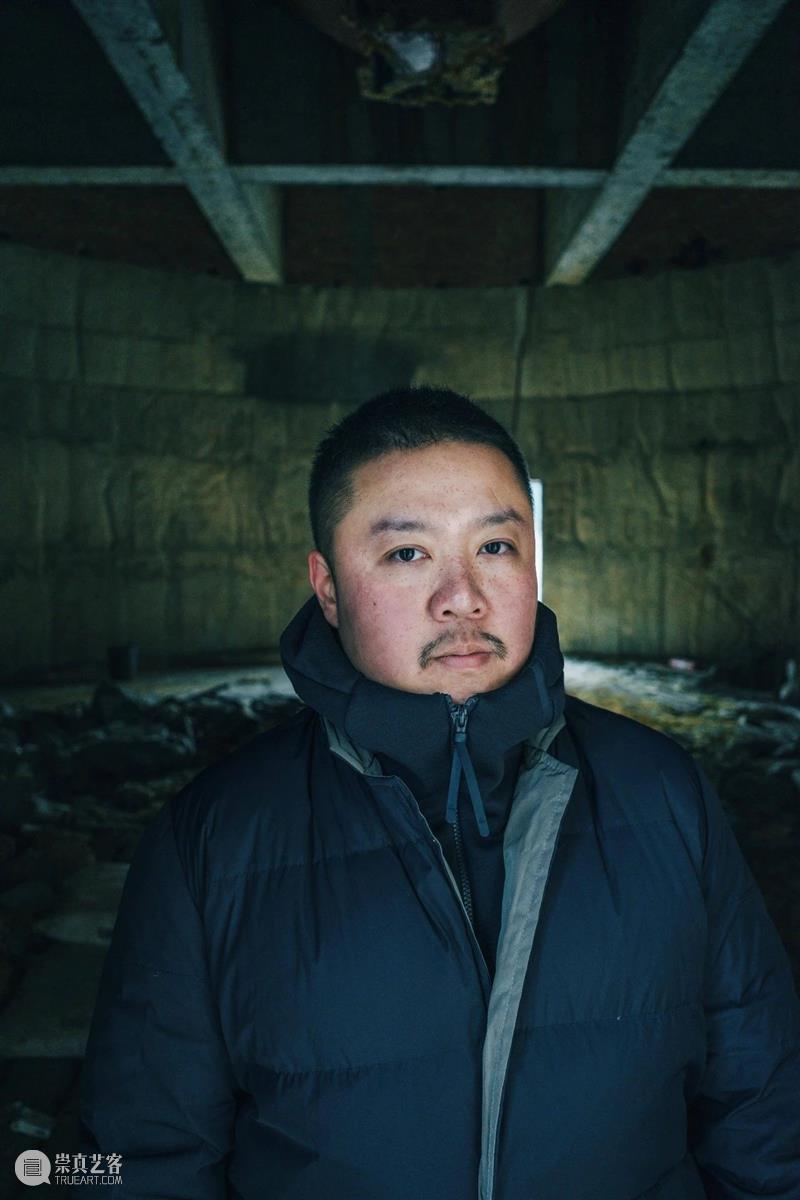
王拓
1984年出生于长春,现生活、工作于北京。王拓2014年毕业于波士顿大学视觉学术学院,获得绘画系美术硕士学位。王拓的艺术实践以影像、行为、绘画为主并涉及多种媒介,通过在预设情境下对他人真实生存经验以及文献行为化的介入,来揭示当代人类境遇与精神遗产之间不稳定的关系。他的作品中经常基于对已有的文献(如文学、电影、戏剧、美术史)的引用,来建立一个多重叙事的情节迷宫,在那里,有关当代社会的戏剧化的、幽默而荒诞的成分被展示出来。王拓的实践也同时探讨了人造观念和意识形态是如何从其历史背景中生发而出,并与持续变化的社会状况相适应的主题。
WANG Tuo (b.1984, Changchun, China) currently lives and works in Beijing. In 2014, he graduated from the School of Visual Art at Boston University with an MFA in Painting. Wang Tuo employs various mediums and a process that combines interviews, reality shows, and the theatre of absurd to construct a maze of melodrama. Through his performative manipulation on the individuals’ lived experiences and interventions into intellectual legacies such as literature, film, theatre and art history, Wang’s practice attempts to examine the unreliable relationship between the contemporary human status, myth and cultural archive. In the self-referential environments that he constructs, dramatic, often humorous as well as absurd aspects of the concept of society are exposed. Wang’s practice also seeks to develop a discourse on how present ideology is derived from its historical context, and continues to adapt to changing conditions.
当前展览
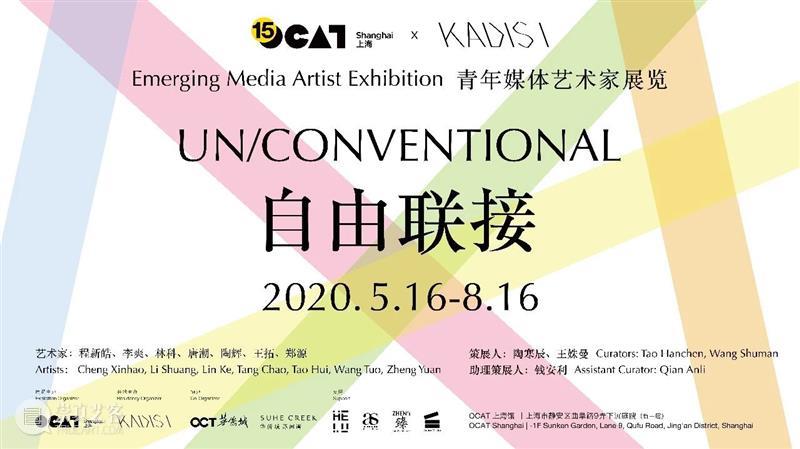
展览延期至8月23日
点击图片了解更多展览信息
展览免费
关于OCAT上海馆
参观时间 | Admission Hour
10:00-18:00 周二至周日(周一闭馆)
最后入场时间:17:30
10:00-18:00 from Tuesday to Sunday (Closed on Mondays)
Last Entry 17:30
当前展期内(2020.5.16-2020.8.23),每周五、周六开放时间延长至20:00,19:30停止入场
During the current exhibition (2020.5.16-2020.8.23), the opening hours are extended to 20:00 every Friday and Saturday, last entry 19:30
联系我们 | Contact us
Tel: 021-66085119
Email: ocatshanghai@ocat.org.cn
Weibo: @OCAT上海馆
Instagram: @ocat__shanghai
地址 | Address:
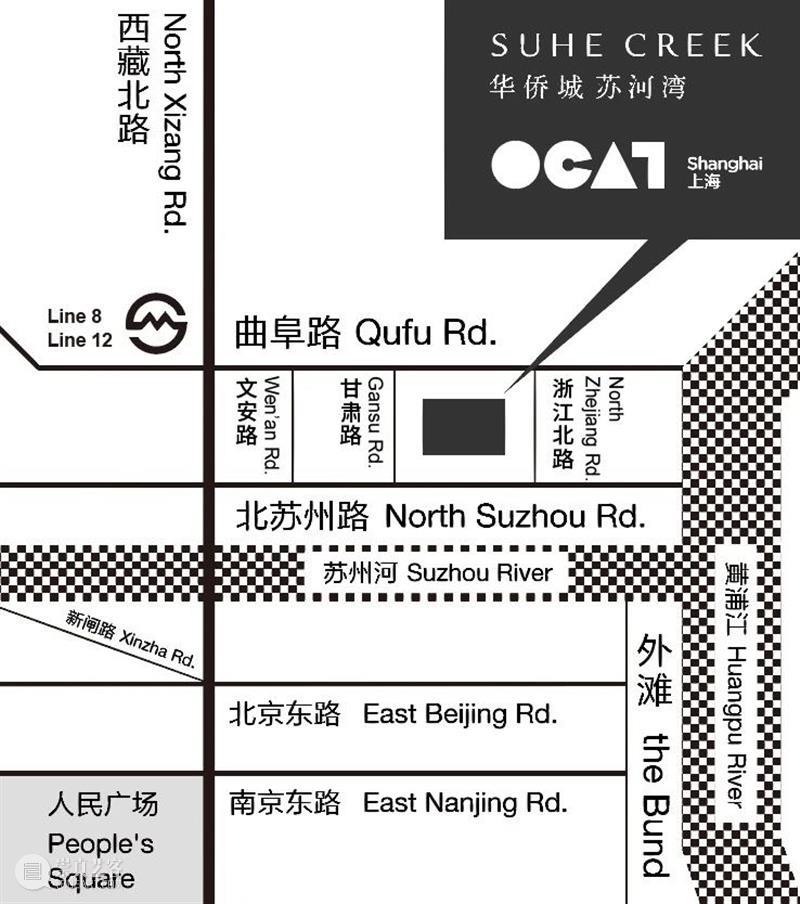
上海市静安区曲阜路9弄下沉庭院,负一层(轨道交通8号线、12号线曲阜路站)
-1F Sunken Garden, Lane 9, Qufu Road, Shanghai (MTR Line 8 & 12 Qufu Road Station)

 {{newsData.good_count}}

 {{newsData.transfer_count}}


 {{item.good_count}}k
已展示全部
{{item.publisher_name}} 发布了 文章
{{item.title}}
更多功能等你开启...

 分享
分享