Yuan Yunsheng: "Regeneration: Trip to Northwest China"
![]() {{newsData.publisher_name}}
{{newsData.update_time}}
浏览:{{newsData.view_count}}
{{newsData.publisher_name}}
{{newsData.update_time}}
浏览:{{newsData.view_count}}
来源 | {{newsData.source}} 作者 | {{newsData.author}}
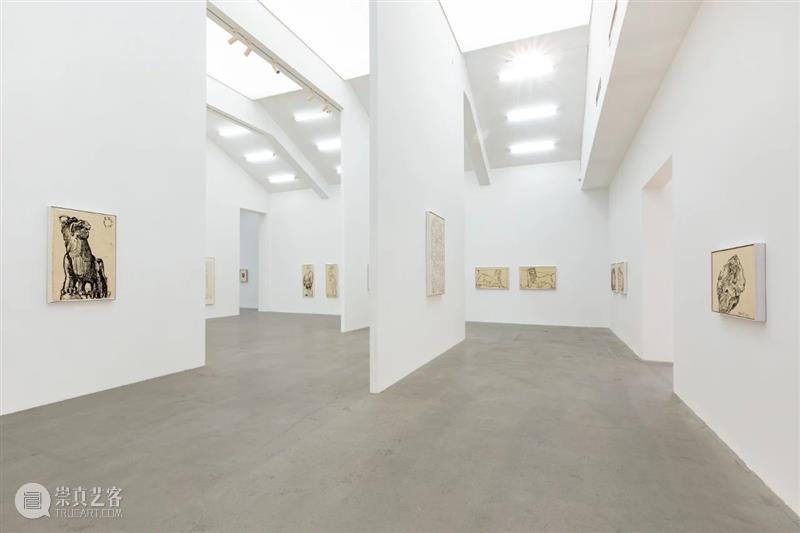
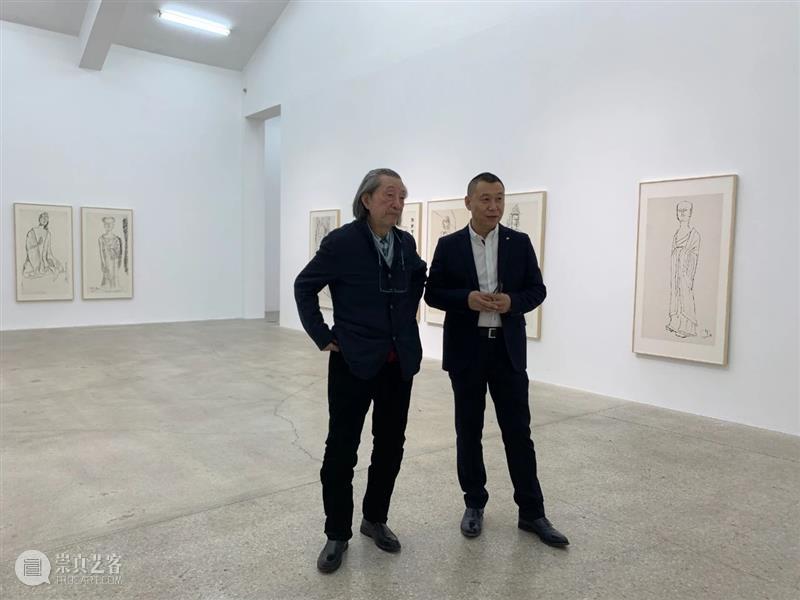
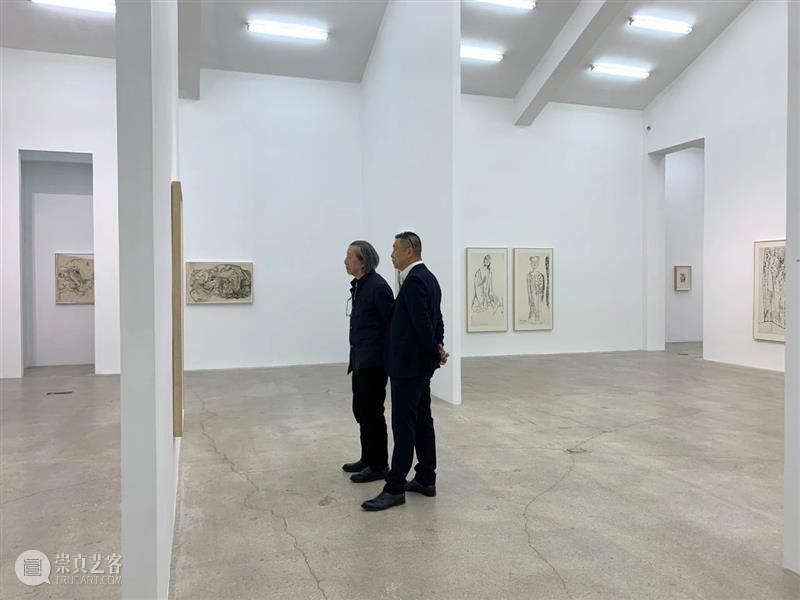
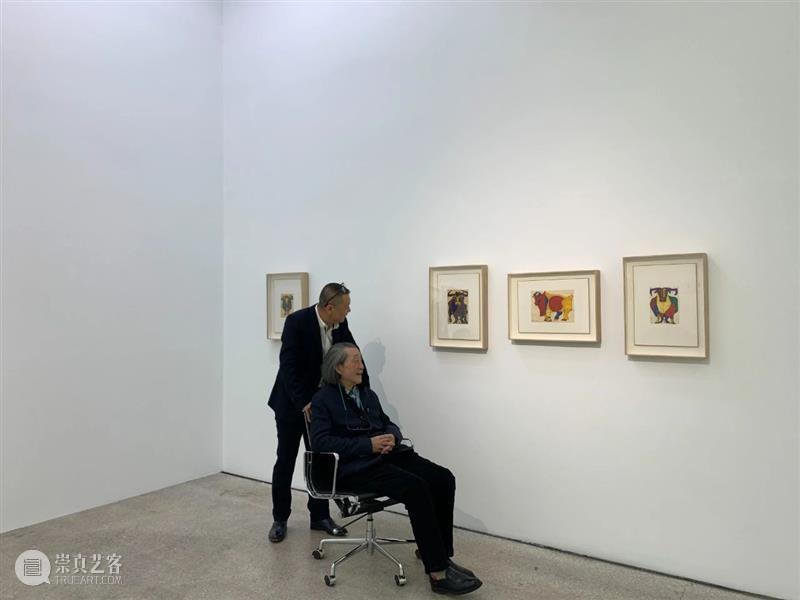
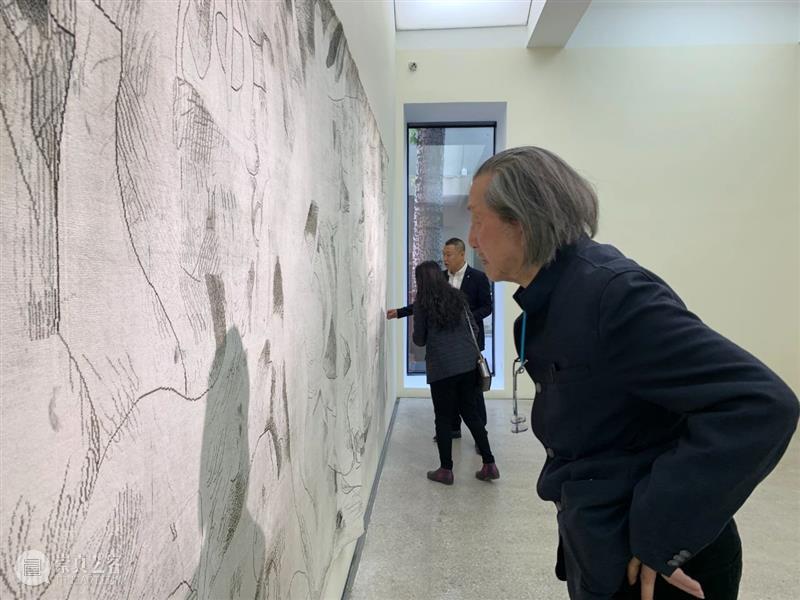
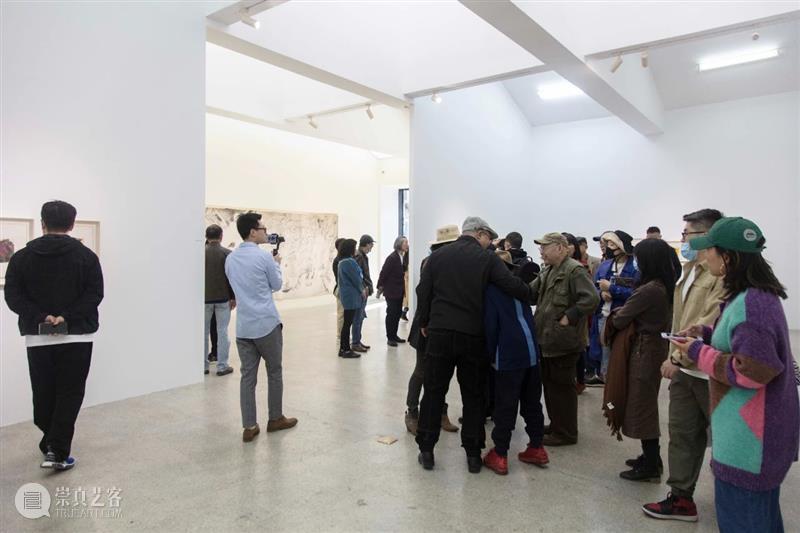
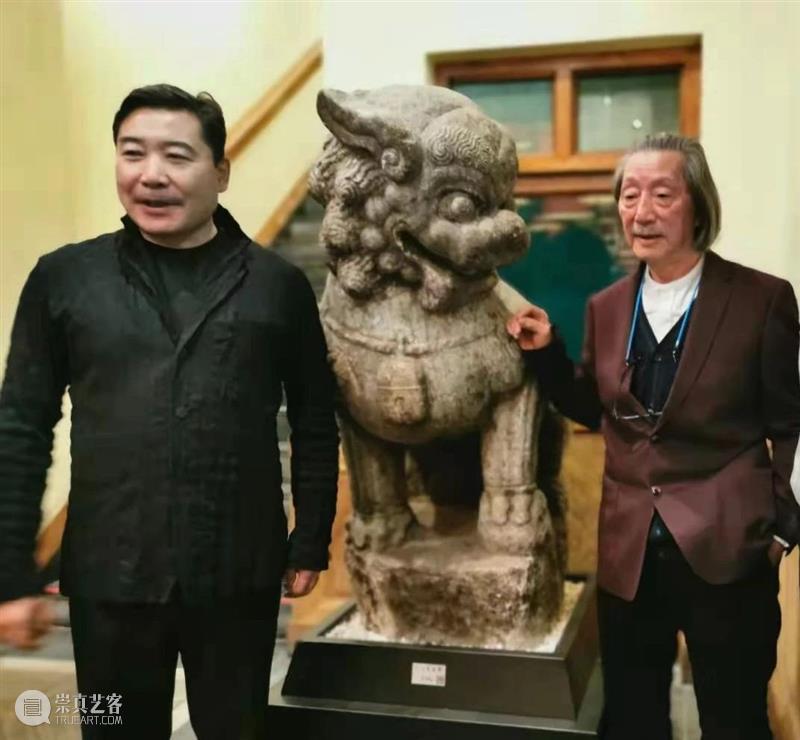
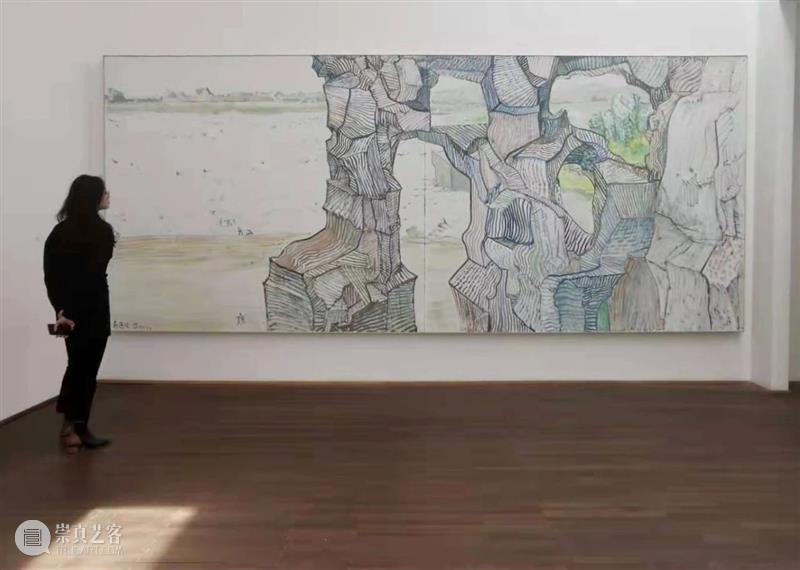
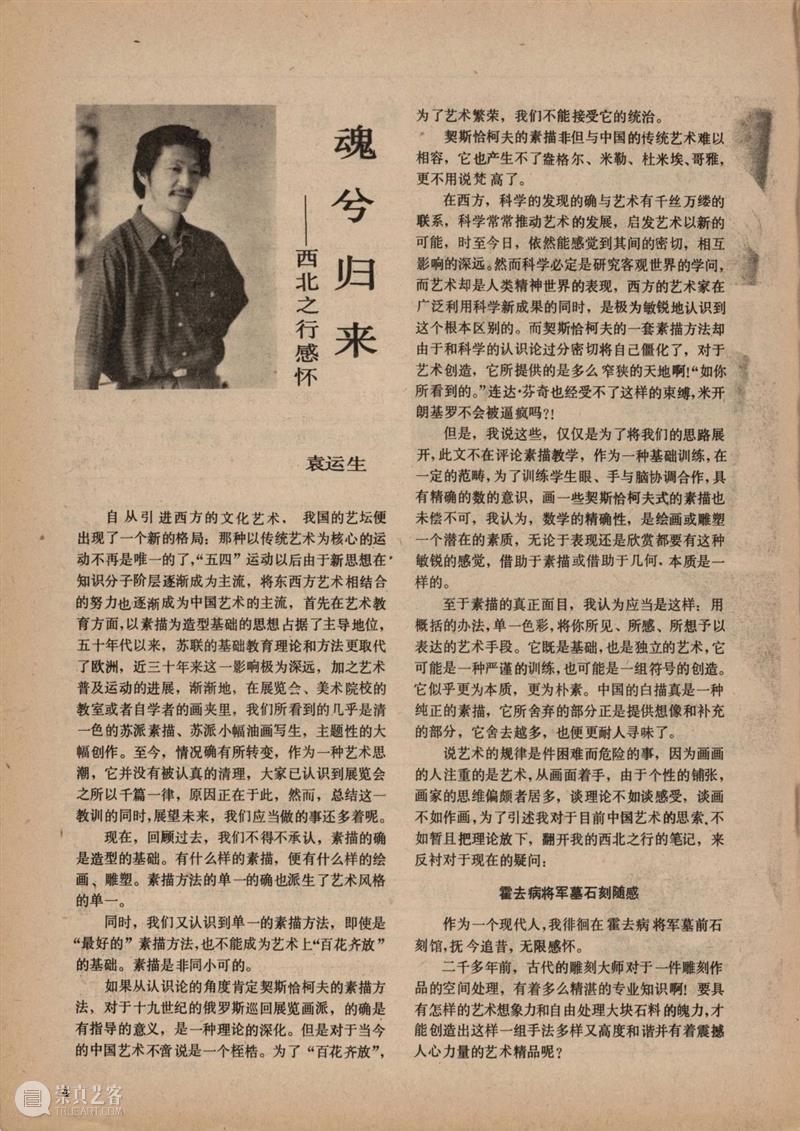
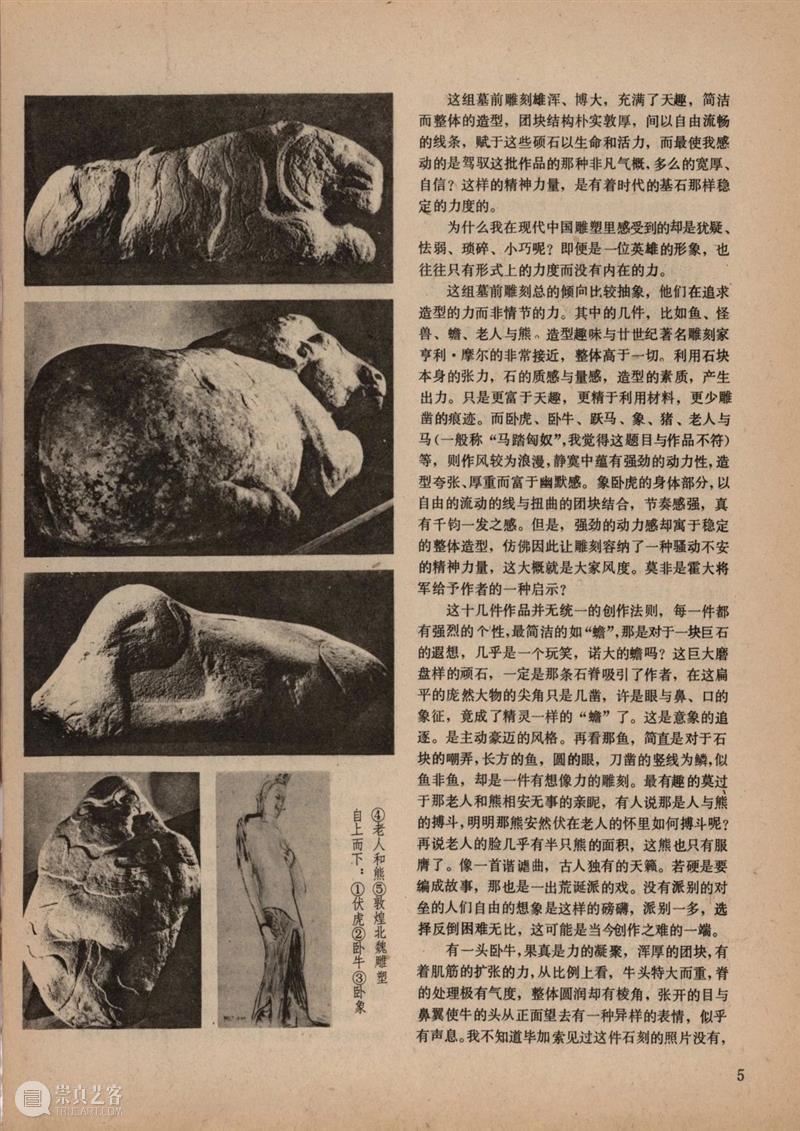
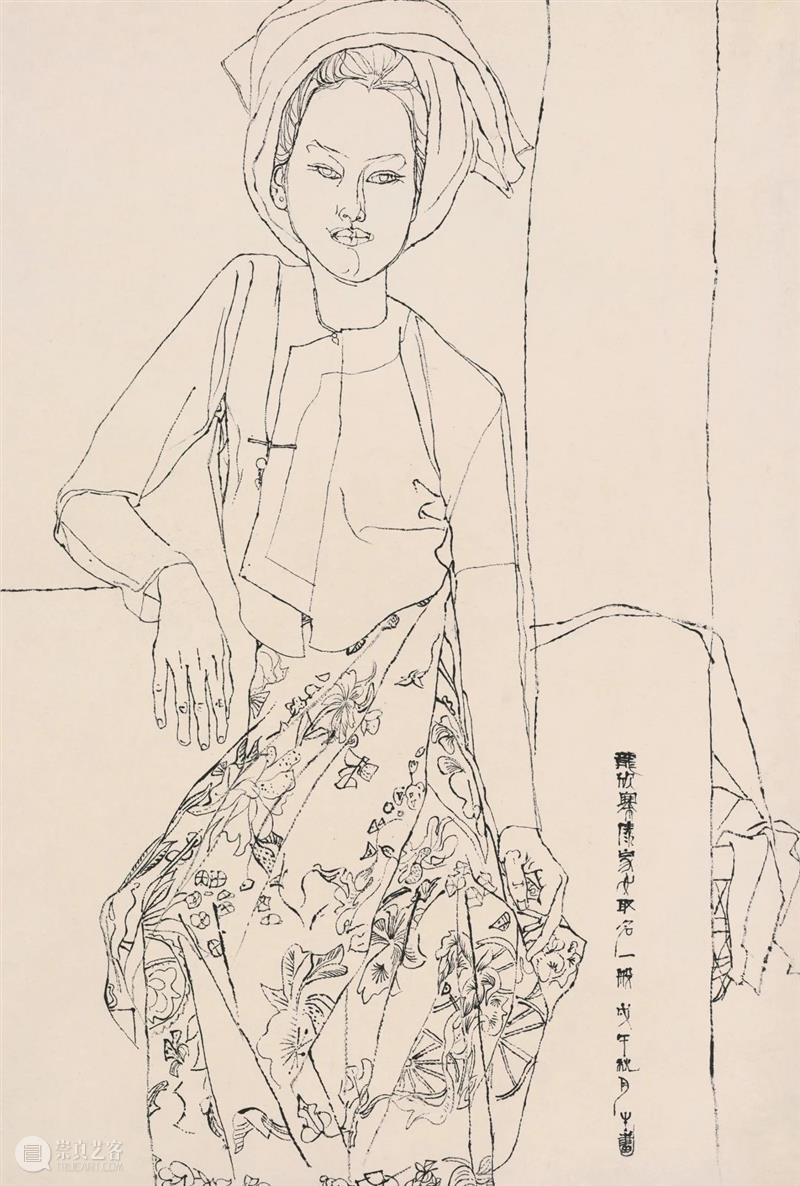
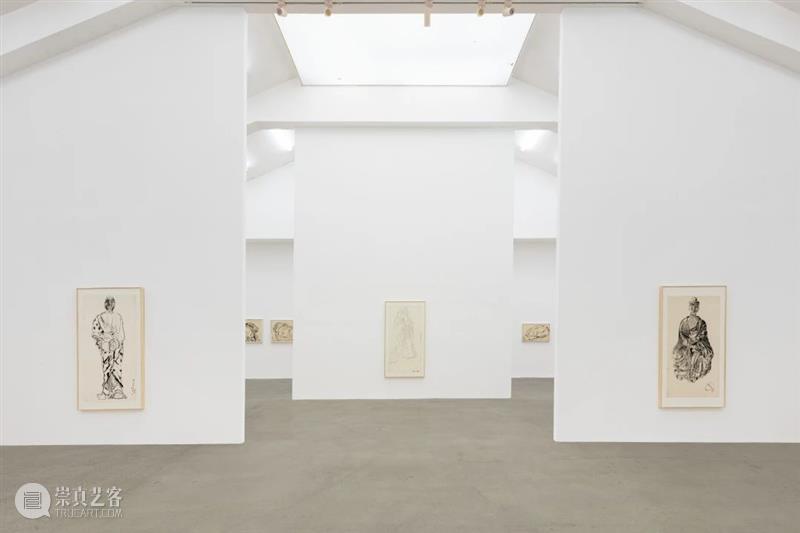
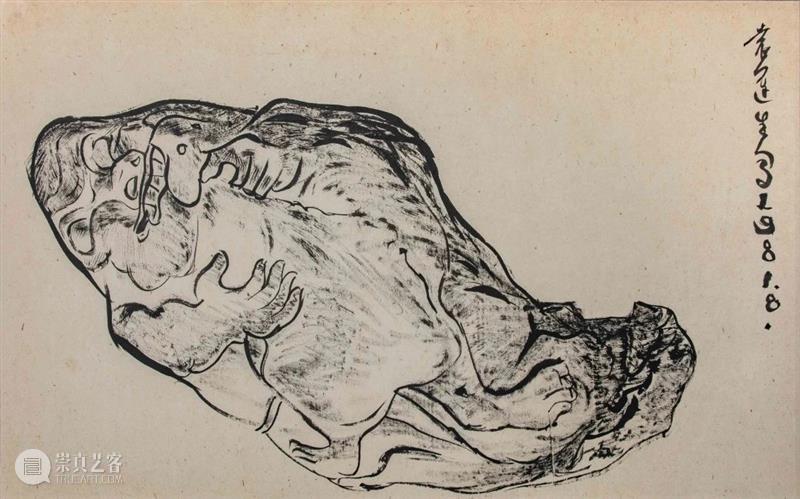
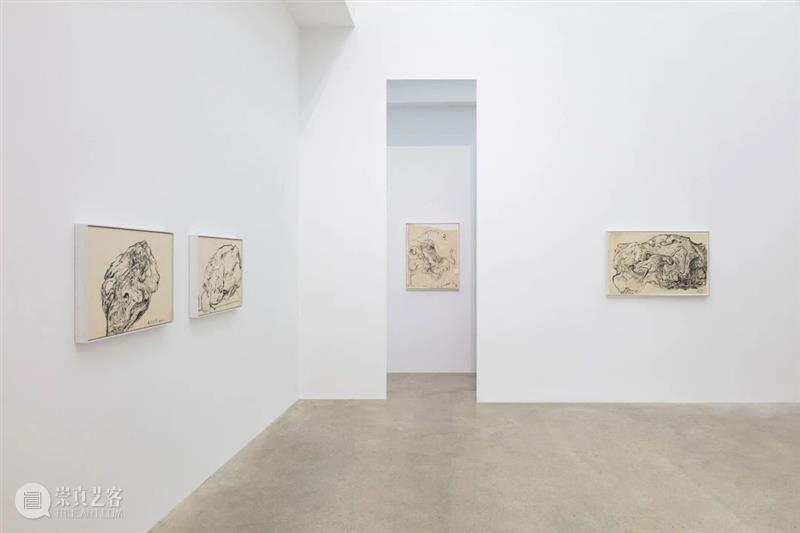
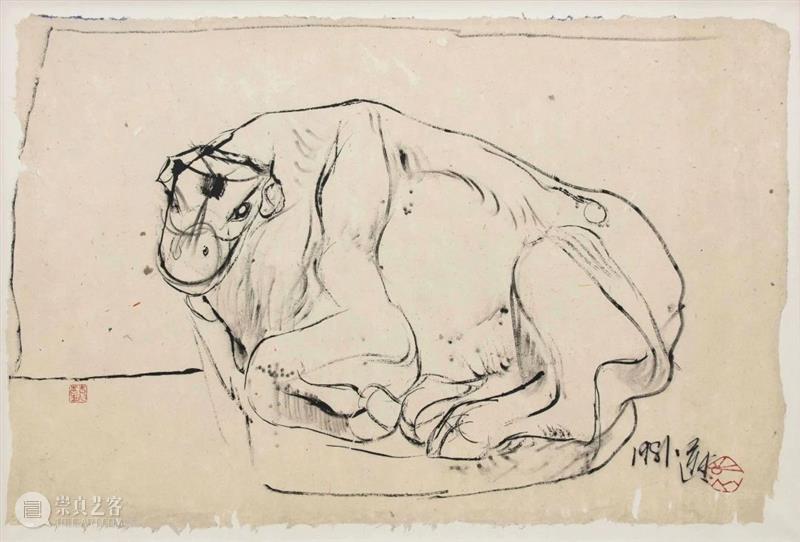
Originally published in the 1st issue of the Art Magazine Regeneration: Trip to Northwest ChinaFollowing the introduction of western arts and culture, a new landscape emerged in China’s arts sector, replacing one featuring only movements with traditional arts at the core. Its emergence meant efforts to combine arts from both the East and the West gradually prevailed in Chinese art. They came as new ideas gained more popularity among the intellectual class after the May Fourth Movement. In arts education, that involved the dominance of ideas supporting the use of sketch as the foundation for modeling. Since the 1950s, ideas from Europe were superseded by basic education theories and methodologies from the then Soviet Union, with far-reaching impacts, especially over the past three decades. This, coupled with the advancement of the art popularization movement, led to a phenomenon where thematic creations were almost all sketches and small-size oil paintings from life or nature in the Soviet Union style, from exhibitions and fine arts colleges to self-taught painters. Later, things have somewhat changed, but the sameness as a kind of artistic trend of thought has not yet been properly dealt with. The reasons why exhibitions are monotonous are well understood, and much more should be done in the process of drawing lessons and looking to the future.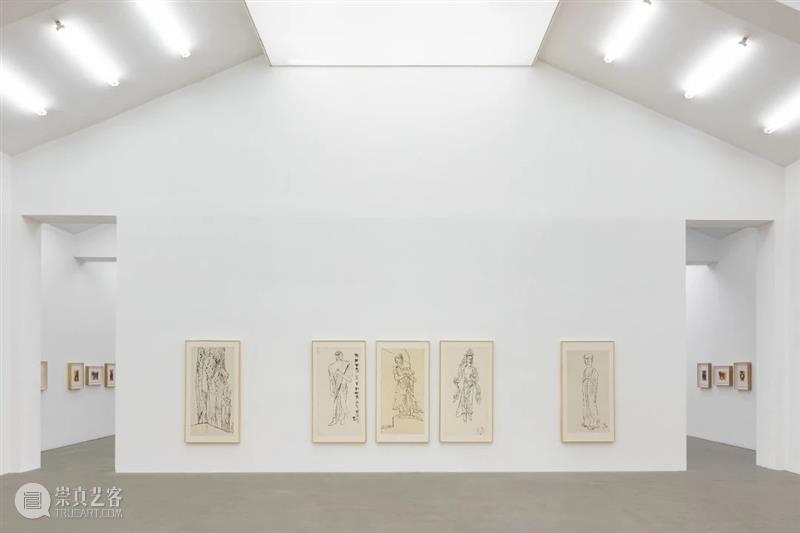 Photo of the exhibition siteIn retrospect, one has to acknowledge that sketching is indeed the basis for modeling. The sketches shape the feature of the ultimate paintings and sculptures. So a lack of variety in making sketches has led to the monotony of the artistic styles.At the same time, though, it should be noted that monotonous sketching methods, even if the best ones, cannot serve as the foundation for diverse arts to develop and thrive. The role of sketching is by no means insignificant.The methods for sketching proposed by Russian artist and art teacher Pavel Petrovich Chistyakov, if affirmed from the perspective of epistemology, offered guidance for the Russian Itinerants, a group of realist artists in the 19th century. It can be regarded as the deepening of theories. But for today’s Chinese art, they are unacceptable, whether for throwing off the shackles of them or for an art boom.Those methods are not only incompatible with traditional arts in China, but also unhelpful to efforts in cultivating masters such as Jean Ingres, Jean Francois Millet, Honoré Daumier, and Francisco Goya, let alone Vincent van Gogh.Yuan Yunsheng,Portrait of the Dai girl Yiban, Ink on Xuan paper,95x68cm,1978 In the West, it is true that scientific discoveries are associated with art in innumerable ways. Science tends to boost the development of art, bringing new possibilities. The closeness of the connection between the two and profoundness of their impact on each other still resonates today. Nonetheless, there is a fundamental difference between them. Science must dive into the objective or external world while art is the manifestation of the spiritual or internal world of human beings. Western artists are keenly aware of the difference while widely applying new scientific achievements. However, the methods of sketching Chistyakov taught were so focused on connection with science that they were caught in rigidness. That would only translate into narrow room for artistic creation. “As you have seen”. The constraints imposed thereby are intolerable for anyone, I guess.Now I must say that the purpose of this article is not to make remarks on sketch teaching, but just to expand trains of thought. One type of basic training to students involves the ability to coordinate their eyes, hands and brain to a certain extent. So drawing sketches in Chistyakov style may also be helpful for fostering a sense of precise figures. In my opinion, the preciseness should be inherent in paintings or sculptures. Those who try to create or appreciate them should have a sharp sense of such preciseness. Sketching and geometry are just tools serving that purpose, and they are essentially the same.Photo of the exhibition siteFor me, sketches should look like this: a way of art meant to express what a person sees, feels and thinks, using summarization and monotonous color. Sketching is both the foundation and an independent art. It may be a kind of rigorous training, and also may be the creation of a group of symbols. It seems to reflect more of the essential part and simpler. Baimiao in China, or line drawing in traditional ink and brush style is pure sketching, with the abandoned parts exactly leaving room for imagination and addition. The more it gives up, the more thought-provoking it will be.Talking about the laws of art is a difficult and dangerous thing. The reason is painters pay attention to the art. When looking at a picture, painters having different personalities are mostly biased in their thinking. Therefore, talking about feelings may make more sense than talking about theories, and drawing paintings may prove more meaningful than discussing them, at least in this context. In order to clarify my thoughts about the current Chinese art, let’s put aside theories for a while and turn to the logs of my travel to Northwest China before reflecting on the questions about the present.Reflections on the visit to Stone Sculptures around Tomb of General Huo QubingI, a person living in the modern area, lingered in front of the stone sculptures around the tomb erected for Huo Qubing, a famous general during the Western Han Dynasty (206BC - 24AD). The sight of the sculptures evoked deep feelings about the past and the present.I can’t help but wonder how professional the ancient carving masters 2,000 years ago were in infusing a strong sense of space into sculptures. Without great artistic imagination and courage to process large chunks of stone, it would be impossible to craft such a group of artistic fine works of art – diverse in technique, highly harmonious and thrilling.Yuan Yunsheng,Sketch of the old man and the bear in Huo Qubing's tombink on paper, 50x80cm, 1981The carvings present vigorous figures featuring broadness, simplicity and integrity and full of natural beauty. The block structure looks simple and pure. Such profile, interspersed with free and smooth lines, injects life and vitality into those pristine stones. What touches me most is an aura of remarkable generosity and confidence embodied in this batch of works. Mental power of this kind has the intensity as stable as the cornerstone of an era.But when it comes to sculptures of modern China, the only feelings I have are hesitation, cowardliness, triviality and pettiness. Even those regarded as heroes usually only show power just in form, without internal strength.Photo of the exhibition siteThis group of carvings is generally abstract, with an emphasis on the power of the figures, not plots. Several of them, such as the fish, monster, toad, the old man and bear, exhibit features and tastes that are very similar to those of sculptures created by Henry Moore, one of the greatest sculptors in the 20th century. In a word, the whole overrides all others. Force emerges out of the tension of the stone itself, together with the sensation of its texture and dimensions, as well as the character of the modeling. But they sculptures are brimming with more natural beauty thanks to the clever use of raw materials in place of traces of engraving. For the likes of crouching tiger, lying cow, jumping horse, elephant, pig, old man and horse (usually known as Horse Stepping on a Xiongnu Soldier, a title I believe does not agree with the work itself), the style is relatively romantic, with robust dynamism contained in silence. Objects so carved are exaggerated, dignified and rich in humorousness. For instance, the body of the crouching tiger combines free moving lines with twisting blocks, giving the feeling of an imminent peril amid a strong sense of rhythm. But as the powerful dynamism rests on the stable profile, it looks as if the sculpture accommodates a kind of disturbing mental force. That’s probably the demeanor of greater master, I guess. Could it be that General Huo had offered some inspiration to the creator?No uniform rules govern the creation of the dozen of works. Each demonstrates specific character. The simplest one, the toad, is a reverie of a large stone, almost a joke. A big toad? Looking at the large pristine stone resembling the millstone, I guess it must be those stone ridges that had attracted the creator. With just several cuts into the sharp corner of the flat colossus, perhaps being the symbol of nose and mouth for the eyes, no one could have imagined that the stone was finally shaped into a toad like an elf. This reflects a pursuit of creating images, demonstrating a proactive, bold and unconstrained style. A look at the fish sculpture also brings some feelings. It is virtually a sheer mockery of the stone block. The rectangular body, round eyes, and knife-cut vertical lines as scales. Imagination just reveals itself despite the uncertain similarity to fish. The most interesting must be the carving of the old man and bear close and at peace with each other. Some say it displays a fight between a man and the bear, but how could a fight happen when bear is obviously safely lying in the arms of the old man? Moreover, the fact that the old man’s face is almost half the size of the bear means it has no choice but to yield. It looks like a harmonic melody, sounds of nature that can only be created by the ancient people. If one insists on making up a story, it would be an absurd play anyway. When no confrontation occurs, people from different schools are allowed such tremendous, free imagination. Otherwise, it would be extremely difficult to make a choice with different schools being pitted against each other. This may partly explain today’s dilemma of creation.The lying cow really is a combination of power. The vigorous block masses have the expanding power of muscles. The sculptor shaped the cow with good proportions. Its head is extremely big and heavy, and its spine impressive in bearing; Edges are not lacking in the overall round and full figure, and the opening eyes and wings of nose are designed in such a way that one can sense an unusual expression on its head when looking from the front: there seems to be a sound. I don’t know if Picasso had the picture of this stone sculpture, but if he had, I’m afraid if he would sigh. It’s said that the great master had always wanted to come to China in his twilight years, but understandably, didn’t make it amid fears over a lack of energy to handle big shocks. During the two-day stay there, I astoundingly didn’t see any person of the same profession. Later I went to Xi’an and met some people, only to find that several had ever taken a serious look at this set of sculptures. I really sighed with emotion. These sculptures undoubtedly have a leading position in the world’s sculpture industry. But descendants of our generation nearly ignored them. Is something lost in our spirit?
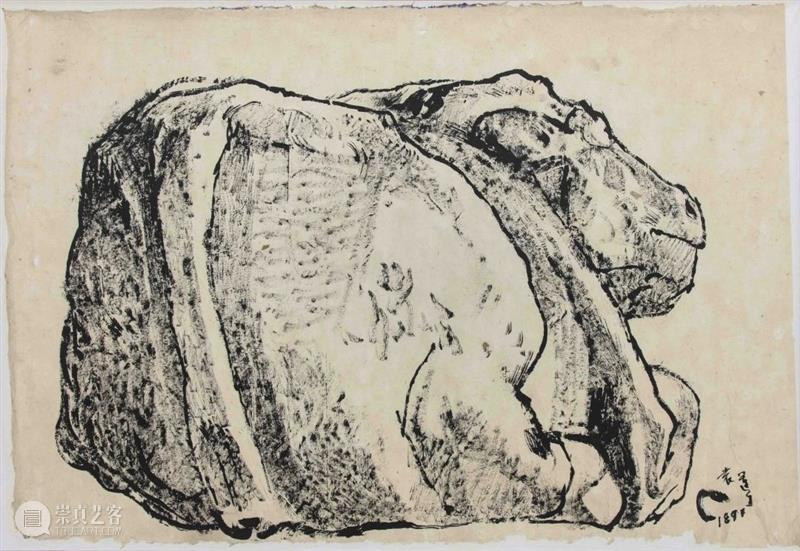
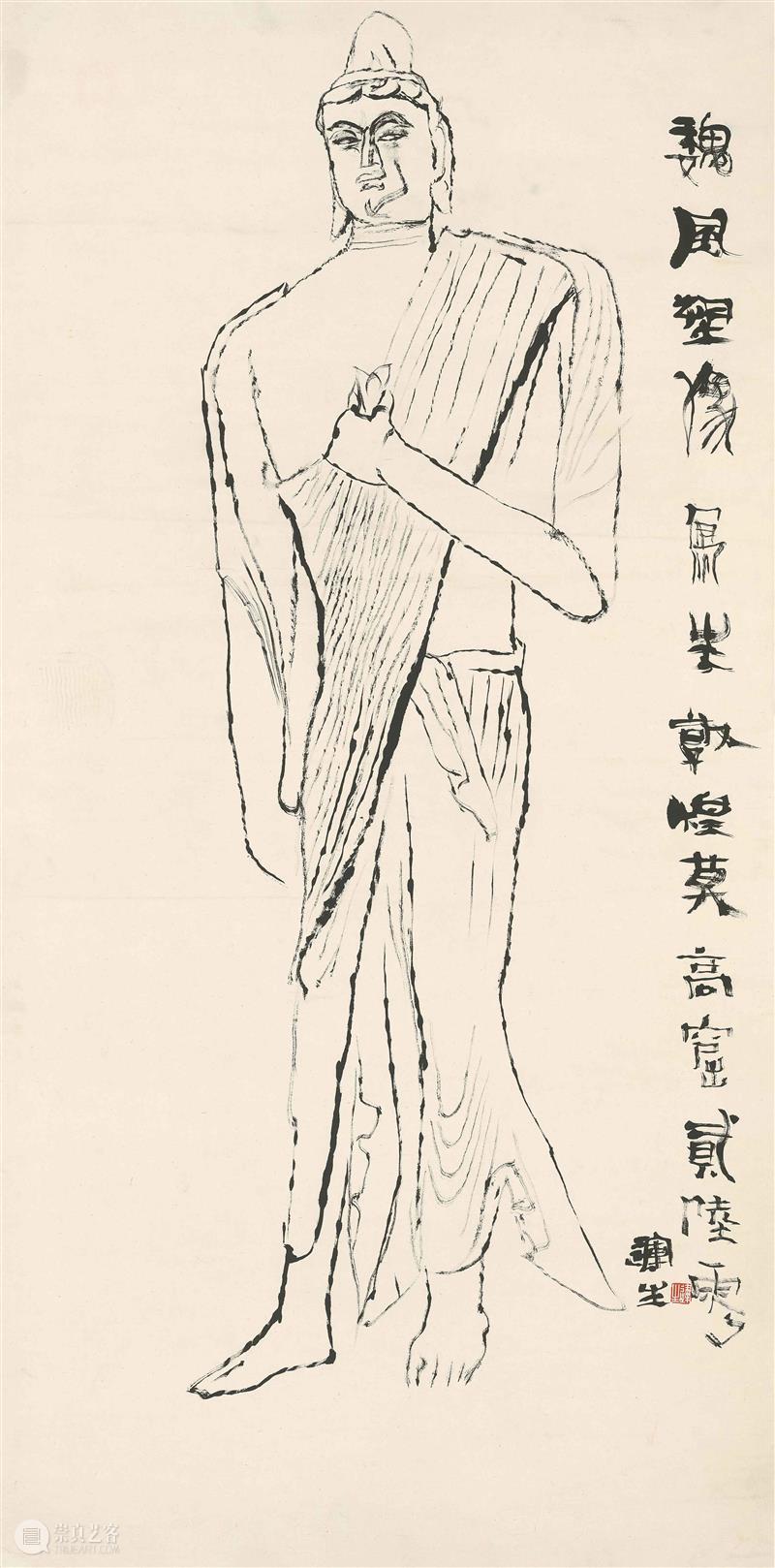
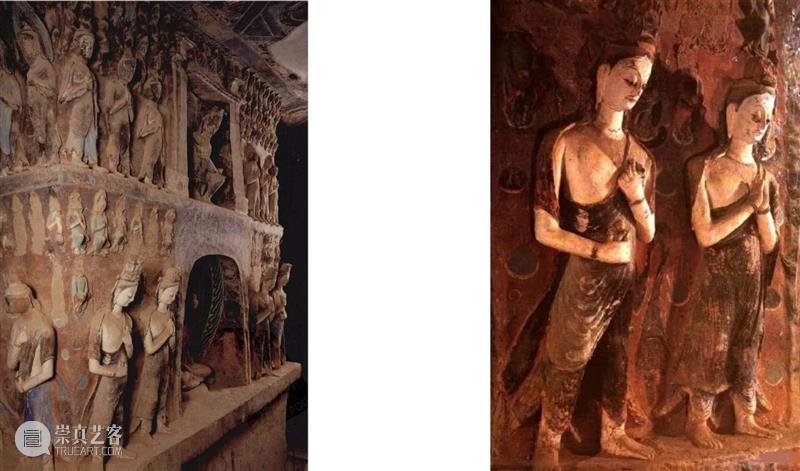
 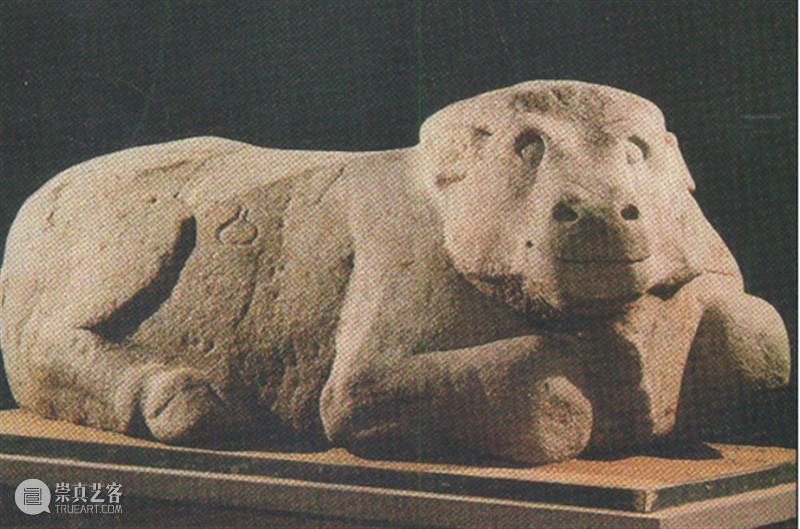 Lying Ox,2.6x1.6m,the tomb of Huo Qubing in ShanxiYuan Yunsheng,Side Sketch of Stone Cow in Huo Qubing's Tomb,ink on paper,65x93.5cm,1981Being in a good state is essential for an athlete to participate in a competition. The same is true for an artist. A mood of free creation is needed. Only when such mood becomes the normal will an artist be able to get devoted to art creation, oblivious of himself or herself. And arts produced this way appear to be just a revelation of his or her emotions and spirit, free from the troubles of deliberate painstaking efforts, frequent mind changes and indecision.A picture appears in my mind. With simple knives and chisels in hand, some creators were working around the tomb of General Huo Qubing. The sight of hundreds of big stones born from the nature aroused mixed feelings among them, from surprise to joy, and from contemplation to meditation. The brilliant sculptors full of imagination waved the chisels. Each demonstrating their skills, they carefully studied the stones each other, whether near or far away from them, while developing ideas with a touch. Once making up their mind, they pointed the chisel at the stone without any hesitation. All theories, experience and techniques are incorporated into the movement of the tools. They are true creators, artists and stonecutters. With the artifacts left by them, the successors are offered the chance to learn and propose new theories.The spirit of a work inevitably consists of two aspects. One is the bearing, vigor and courage of the creators – qualities that stem from great confidence and get enhanced through conscious self-betterment efforts. Another concerns the tolerance and insight of the organizers and receivers, as the stone sculptures would otherwise have been dumped in the riprap or used for other purposes. How can the cultural revolution destroy culture? After all, it comes down to a narrow and prejudiced mindset.Yuan Yunsheng,Sketch of Stone carving in Huo Qubing's Tomb, ink on paper,66x99cm,1981For artists, I believe it is really necessary to bring back the commanding dignity. Route self-reflection must be done.Enlightenment from Sculptures ofMy excitement did not end after my return from Northwest China. I still think of Dunhuang, Maiji Mountain and Longmen grottoes a lot, especially arts of the Northern Wei Dynasty (386–534). These grottoes are home to an abundance of original works produced during the Northern Wei and Tang (618-907) dynasties. The most nostalgic are sculptures, carvings and murals from the Northern Wei Dynasty, and I feel a special affinity with sculptures from that period. Of course, I know sculptures during the Tang Dynasty are more realistic, seemingly harness more techniques, and extend far beyond the mundane vitality. Sometimes when standing in front of excellent Tang sculptures, I would gasp with admiration at their elegant appearances, from mighty man of unusual strength to graceful Bodhisattva, and at the vivid manifestation through uncanny workmanship. In comparison, Northern Wei sculptures always rely on peculiar figure consciousness to showcase the originally not amazing image, neither splendid nor grand. But an observation for a long time can always attract me into their internal world.Some say the Northern Wei sculptures in Maiji Mountain are more mature, exquisite and refined. I feel the same way. In contrast, those in Dunhuang are ruder, purer and even plain! But I would like to draw attention to the sculptures in Cave 260. They have similar features. The square funnel-shaped face looks stiff without romantic charm; the broad yet lean chest slightly bending forward; the thick yet narrow belly that seems condensed yet highly flexible; and the soft arms, flat and straight legs, subtle and coarse hands, and steady feet. The entire body often leans forward as well. The spiritual connotations conveyed by such a combination turn out to be astonishing.Yuan Yunsheng,Sketch of Northern Wei Dynasty Sculpture-Dunhuang Mogao Grottoes No.260, 137.5x68.2cm,ink on Xuan papar,1981Shadow Sculpture of the South-facing Niche of the Tower Pillar in the Center of Dunhuang Grottoes No.260First, one can sense the clear direction and movement of lines. The role of the lines is prominent. The almost stiff pure face has no intention to scramble for the attention of the visitors. The only highlight of that face is in fact its smile, that unfathomable smile. It turns out that the smile in Mona Lisa style is actually an invention in the Northern Wei Dynasty. Perhaps such smile is the expression which humans can last for the longest period and will not become disgusting. It is truly an art of time. If you look around, the many Jataka tales accompanied by a surge of emotional changes may have somewhat exhausted you. But when you set your eyes again on the sculpture, the reassuring smile is also back. How ingenious! Gaining encouragement from the smile, your vision gets natural and bold, with attention gradually shifting to the whole sculpture. Its face, not beautiful, wears nothing but a smile. But behind all is unexpectedly the ingenuity of Northern Wei artists who are masters of gravitating-visitors-toward-thought-as-desired. The design is meant to guide your thoughts, step by step, away from the muddiness of the earthly life. It is based on overall arrangement for the artistic creation, simple yet clearly layered. Even the ribbons hanging down from the shoulders feature leisurely and orderly, not dull, lines. Hardly with blockage, the lines make you feel a freedom of thoughts, slow and at ease. Though not abundant, the existing “elements” have already led you to a spiritual realm. The huge stretching chest steadies you in a very precious moment just right. This represents a broad mind without carnal desires, and the manifestation of such intimacy is fascinating without scruple. Below the chest is the thick yet narrow belly, and its firmness and elasticity help rid the belly of complete monotony.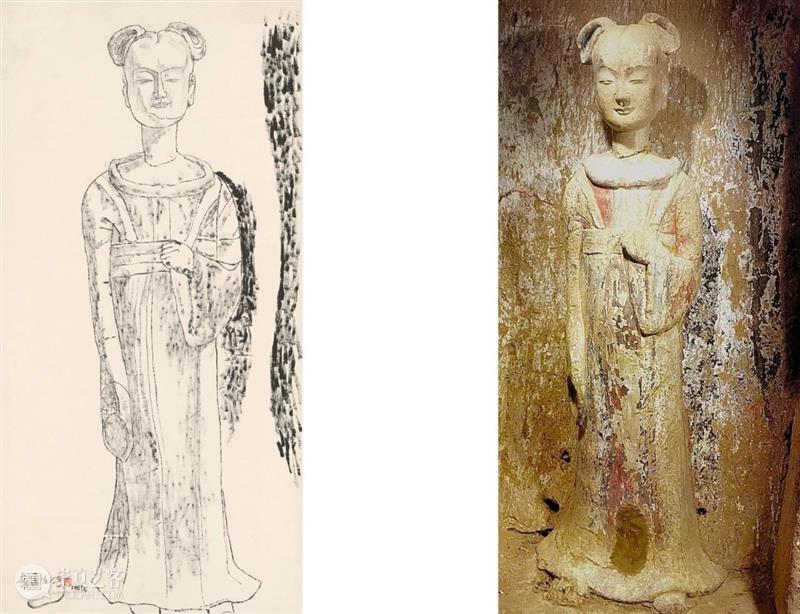
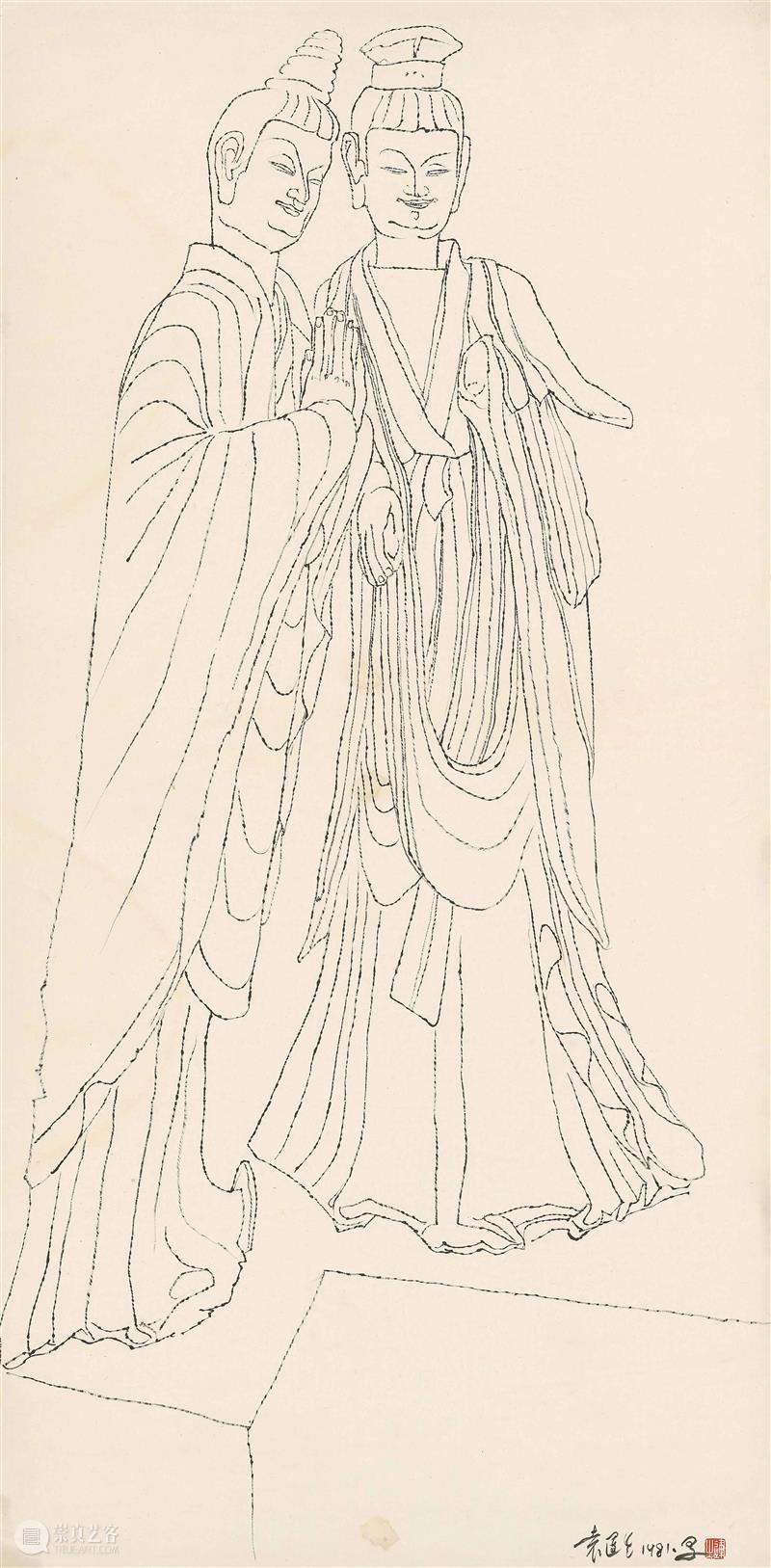
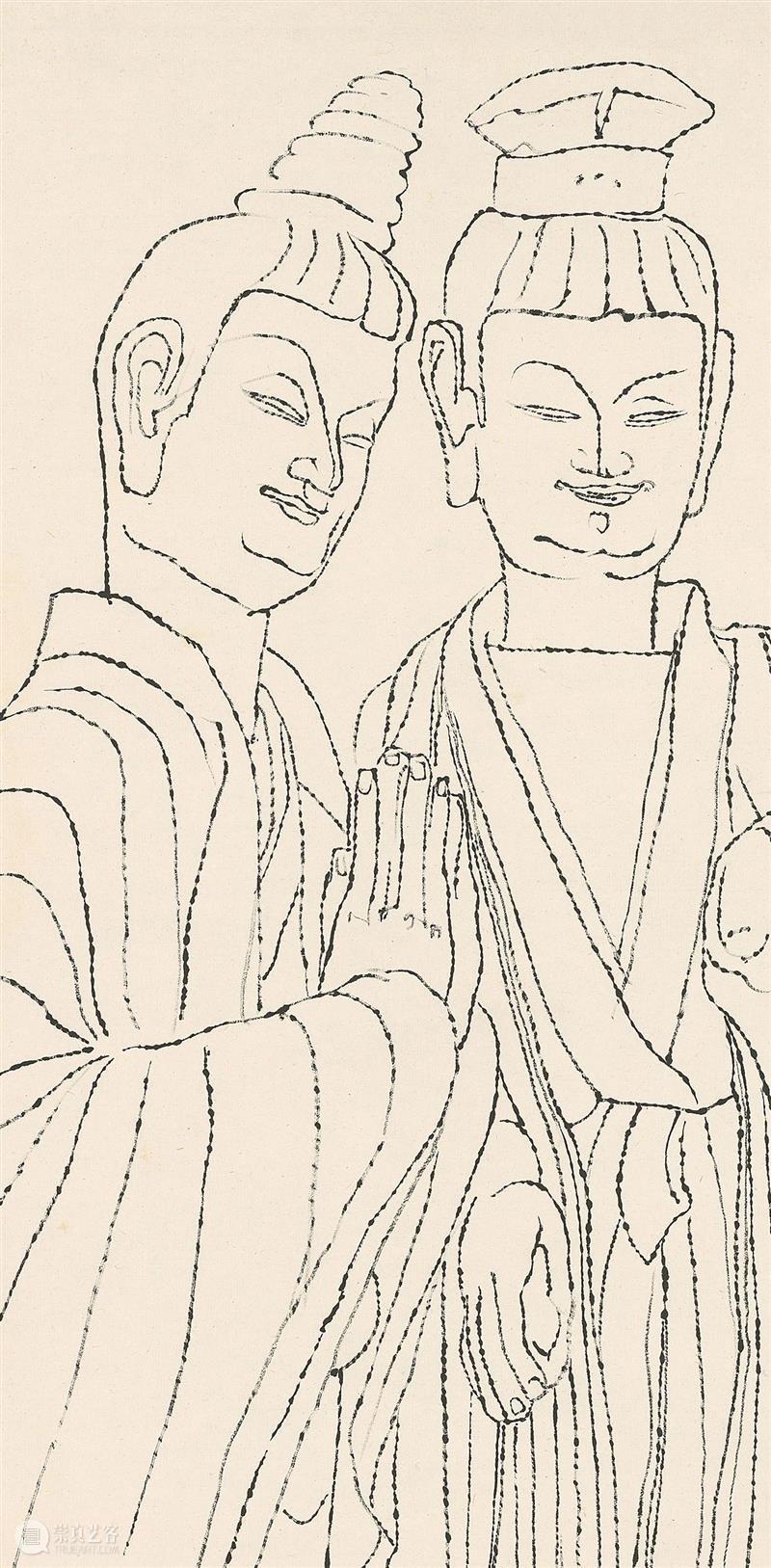
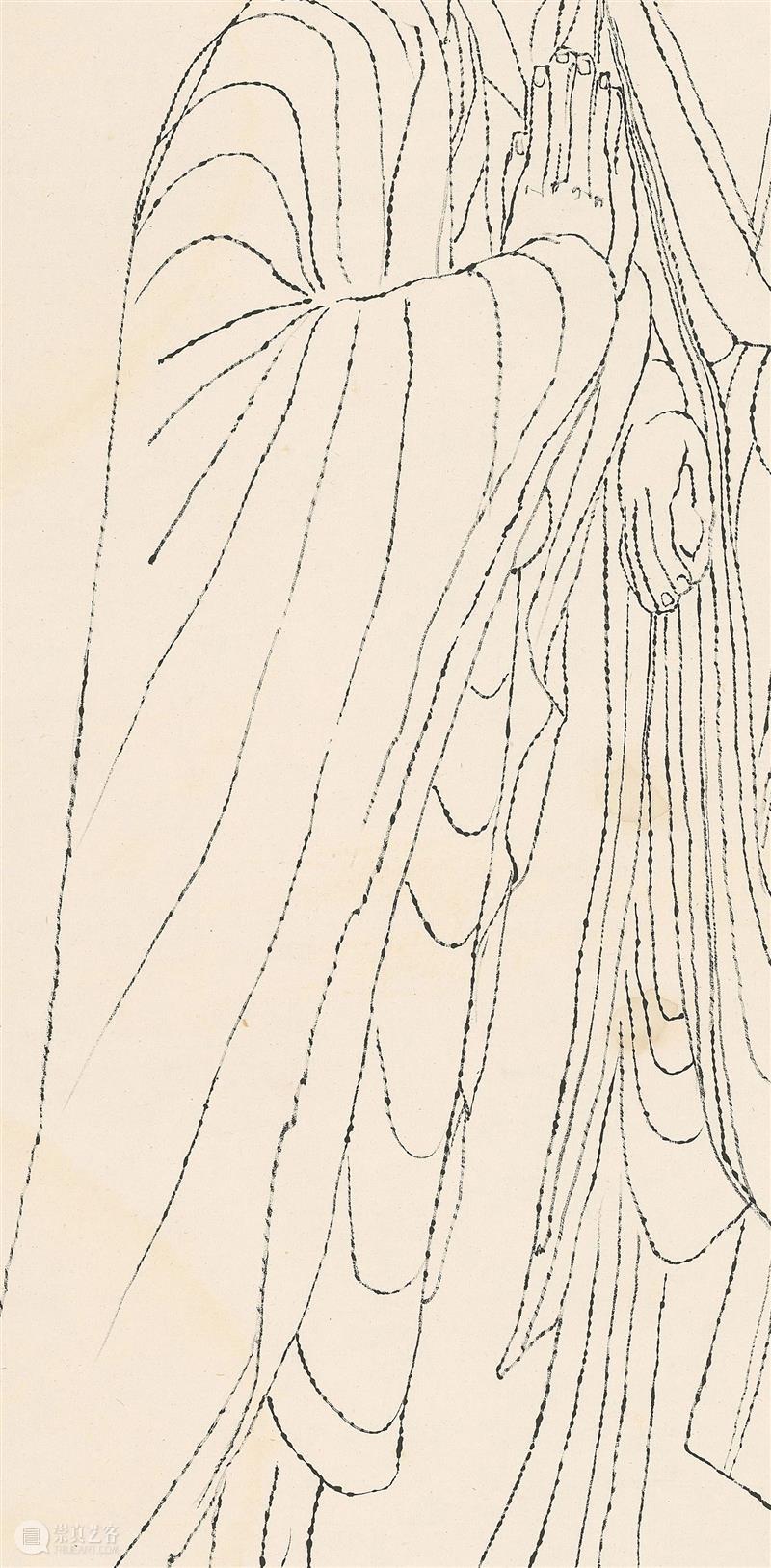
Yuan Yunsheng,Sketch of Maiji Mountain Hammerhead Apprentice Statue,138x68.2cm,ink on Xuan Paper,1981Hammerhead Apprentice Statue(Grottoe No.123)Then look at the lines moving on the dress and ribbon. They are almost parallel, with subtle changes and unique features, displaying a kind of order. That is rational ordinariness. It leads you to yourself, leaving traces of your thoughts amid the shift in your sight. No exaggeration at all, the visual sense is so amiable, offering sweeping views, unlike the gigantic Tang sculptures. In comfort and tranquility, it is the ordinariness surrounded by a cordial atmosphere that enables one to reach a point of forgetting all. Unconsciously, you will start thinking with a pure heart and few desires. I cannot help but admire the processing of the hands for the sculpture. The soft arms carry a pair of hands filled with expressions! But a closer look will make one realize they are just fingers as abstract as symbols. They are not so much hands as one action, or one image. What a bold artistic skill! They hands are so gentle, docile, leisurely and cute. The hands alone infuse devoutness throughout the body, making them an excellent finishing touch. I often wonder how a physical existence becomes manifestation of emotions. I think I have found the answer in the hands. With little impression at the material level, they are exactly the emotion itself!Yuan Yunsheng,Line drawing of Maiji Mountain double Buddha statues,138.5x69.5cm,ink on Xuan paper,1981The enlightenment of the Northern Wei Dynasty lies first in its consciousness of integrity. Each part interacts as both cause and effect and constitutes an integral part of the spirit. Its sculpture is full of skills despite the nature it exhibits. The difficulty of integrity lies in the overall harmony and unified standards for aesthetic ideal; otherwise, there will be no sense of proportion. The difficulty of so-called transformation rests with harmony and unification, which refers not only to unification in form but also spiritual unification. The transformation without spiritual unification has no expression and may be like child’s play. Contrived transformation is first purposeless without connotation, which is ubiquitous. Our art is walking across this mine field!Purity is another feature of art. Purity in art is obviously a relatively superior quality, which is also layered and exhibits a full sense of proportion and an accurate and precise consciousness. Therefore, bits of differences turn purity into richness. Here I especially want to mention the expression. Although the facial features of the sculpture of the Northern Wei Dynasty are inclined to be programmed, which always features a face with an unfathomable smile. In fact, through careful observation, subtle differences exist. Actually, smile does not show all the feelings, it just serves as an introduction to the integrator of feelings and spirits. Where there is retreat, there is advance. Although as if the expressions on the face are featureless due to program, the body is full of layered elaborate feelings. Otherwise, though the face with moving expressions covers everything else, the beautiful hands cannot stand the tease of worldly glimpse. The capability of temperance in art tends to defeat the many with few. The gesture needs the cooperation of eyes with implications to show feelings, at least the echo of eyes. Taking dance as an example, redundant facial expressions may destroy to a large extent the rhythm of movements and affect the beauty of dances. In reality, with regard to spiritual volume of the model, the more specific the model, the simpler the spirit; the more abstract the model, the deeper and richer the spirit. The question only lies in the preparation of specifications, and the precise grasp of images.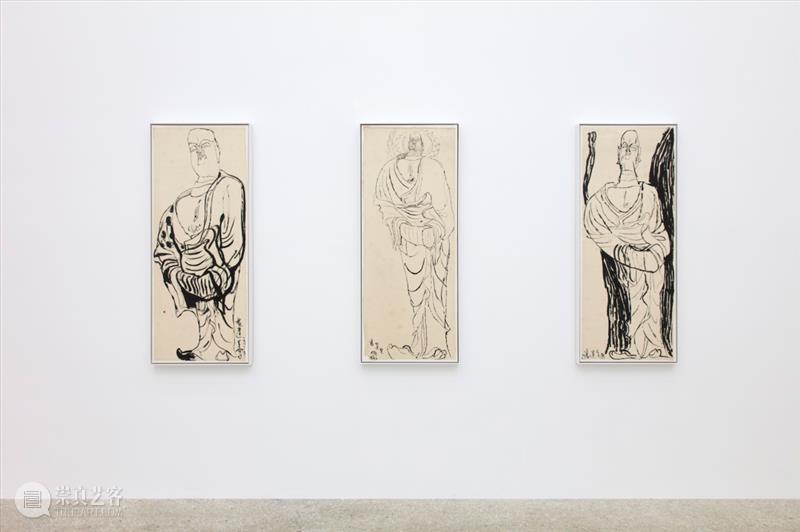 Photo of the exhibition siteApplication of lines in sculpture does not starts from the Northern Wei Dynasty. However, such thorough interweaving has never been seen, which makes the integration of lines and bodies reach an all-in-one and flawless state. The crossing of bodies and lines integrates into one and supplement each other. In the art of the Northern Wei Dynasty, sculpture exhibits the consciousness of lines in the model. That’s why the sculpture of the Northern Wei Dynasty on Maiji Mountain has a special charm. Thinking of the problems of Chinese modern sculpture, I deem that unduly pursuit but focusing not on bodies while not realizing the strength of lines is a major weakness in modeling consciousness. Doesn’t it miss the point and constitute an error? All in all, can we say that the beauty of art lies in its focus on spirit, feeling, integrity, the consistency in artistic conception as well as its resort to the integration of lines and bodies.The above content is just some of my feelings. It may not grasp the essence of tradition. Nevertheless, such a careful look is enough to explain the necessity of reviewing and re-understanding of the past. A momentary slip on the choice of art may cause a lasting sorrow. Is that a shortcut or detour? Only the tradition itself needs to be re-understood, let alone the harm caused by taking western modern art as dreadful monster and shielding ourselves from the bigger picture. Painting can be a great wealth or burden, a representation of spiritual feelings or a stunt of imitating the ancient people without differentiating the outward show and inner thoughts. For hundreds of years, rich experience has been accumulated for the research of painting, while the study on modeling has been at a standstill or even seen retreat. Before Tang and Song Dynasty, the research on modeling of Chinese art had ever reached high achievements, which almost disappear now. We have lost the source of the past, and the great past has become strange to us. What a tragedy it is?! Where is the great spirit of freedom and progressiveness of painting the big steep directly by taking the whole big mountain as a hill? Indeed, we have learnt sketch and been in the progress of studying on the laws of modeling. However, we just focus on the research of appearance, proportion, and body like dissection. We can learn an important lesson in time with regard to the modeling from the art of the Northern Wei Dynasty. Sadly, up to now, a large number of people think there is no accurate “dissection” of the art of the Northern Wei Dynasty, and such art is a childish. Nevertheless, most of such people preach content over form, so isn’t it an irony?
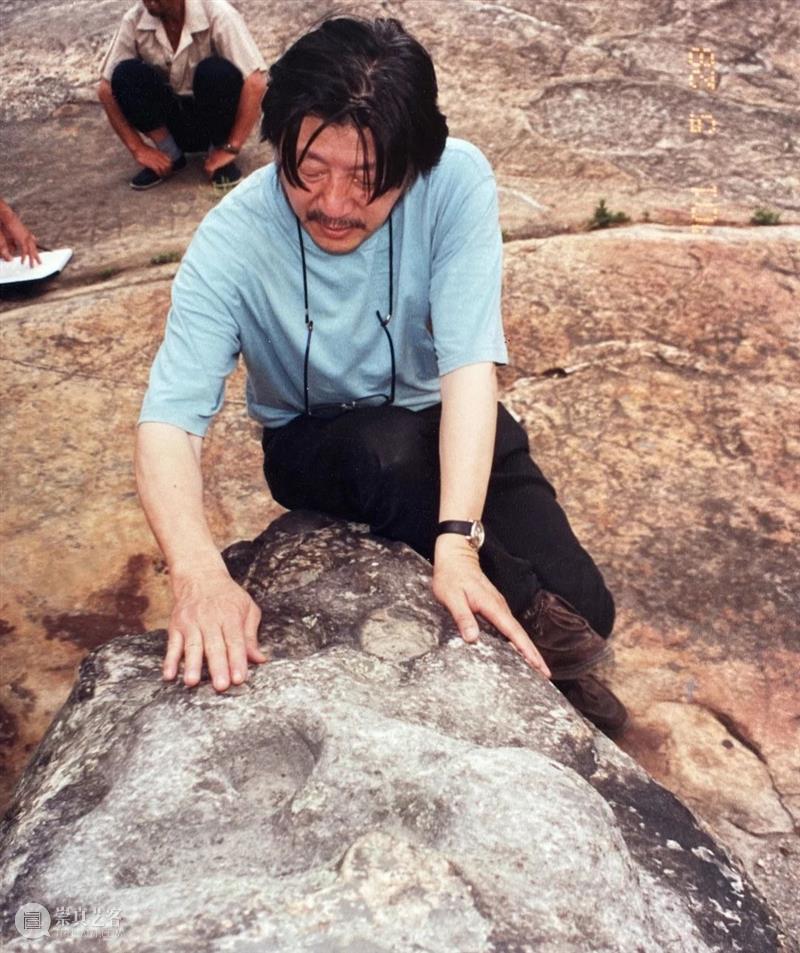 Photo of Yuan Yunsheng during the trip of investigation to Northwest China in 2001
I deeply believe that we may find a common ground when we review the pursuit of modern art after we have really studied the ancient art. We may realize that the difference between the searches of modern art and ours is not significant, and can get necessary enlightenment therefrom. At then, one, ten, or even a hundred kinds of sketches that lay emphasis on content, feelings and spirit will show up.The essence of inheritance of tradition lies in searching for the real spirit of national art, which is most significant. The tradition will be back.Originally published in the 1st issue of the Art Magazine (1982)
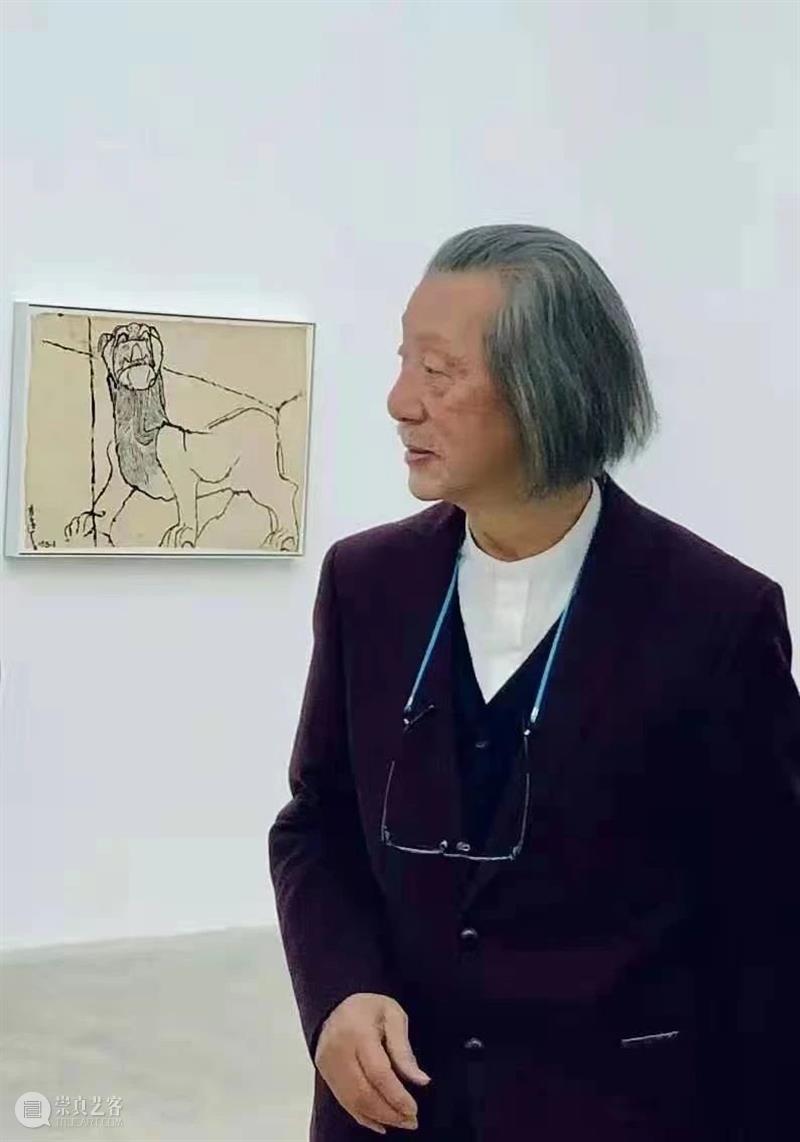
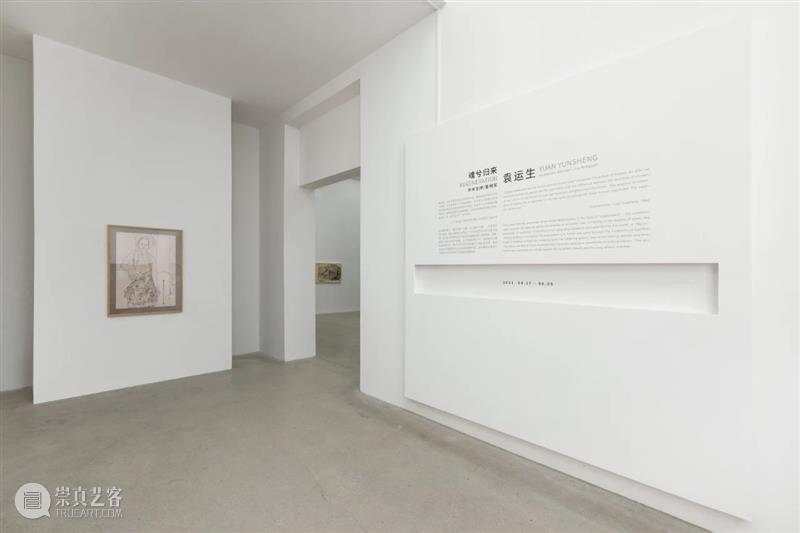
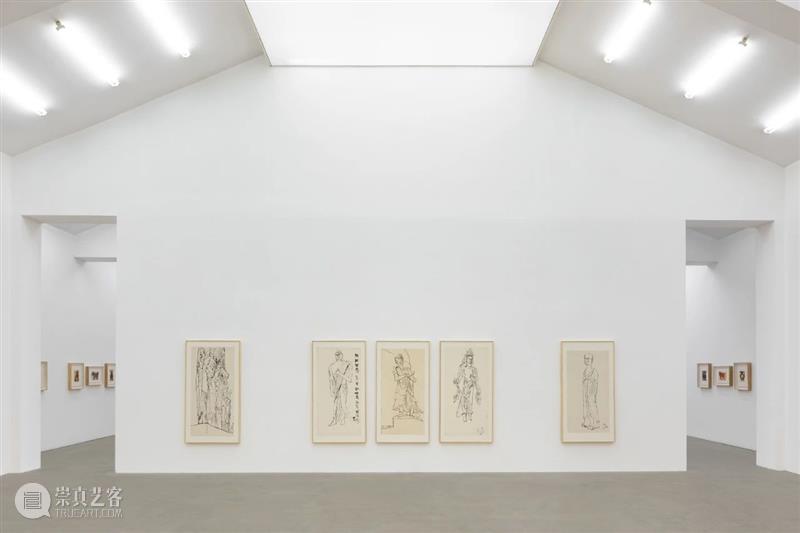
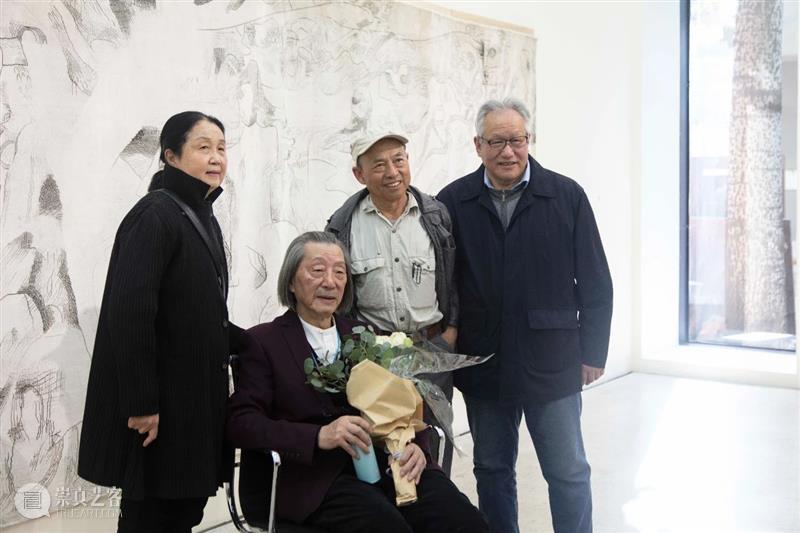
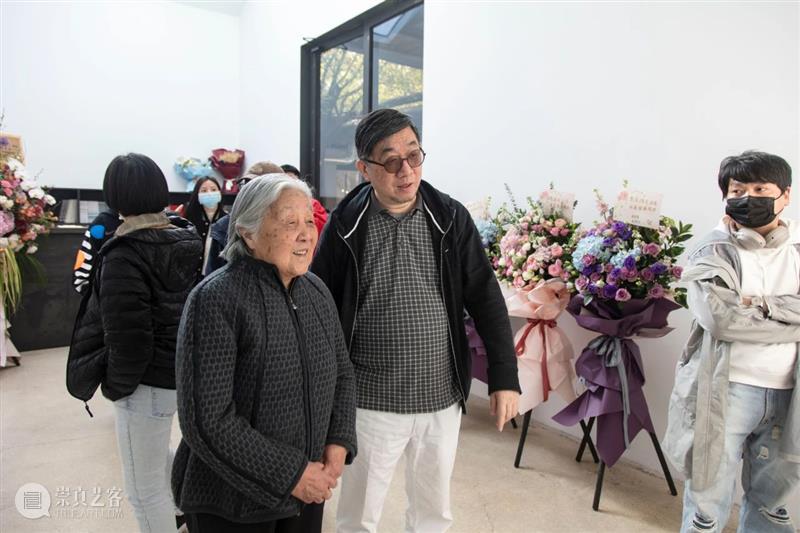
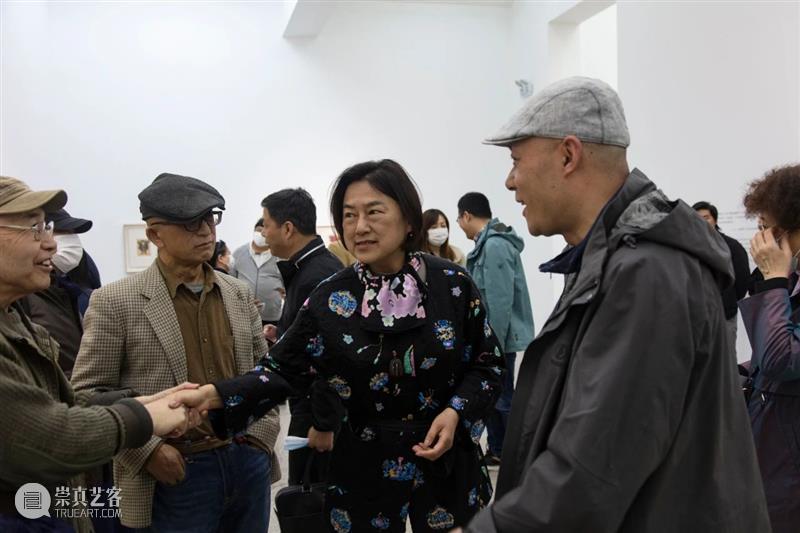
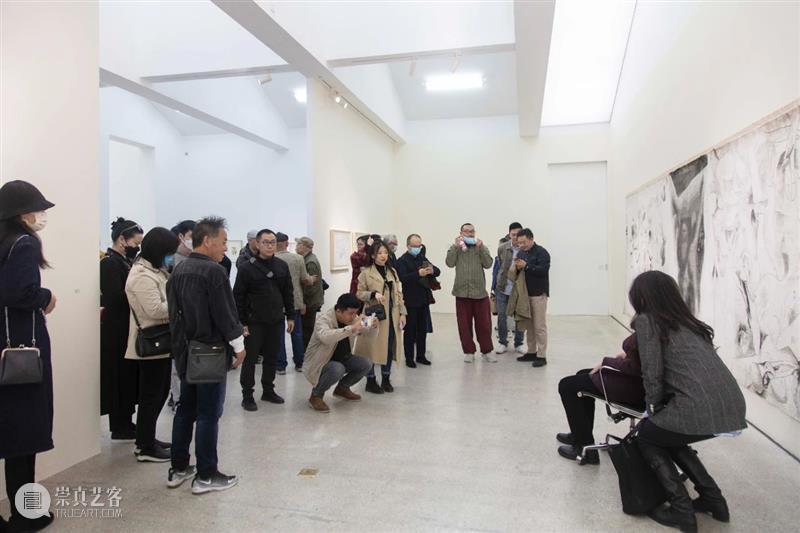
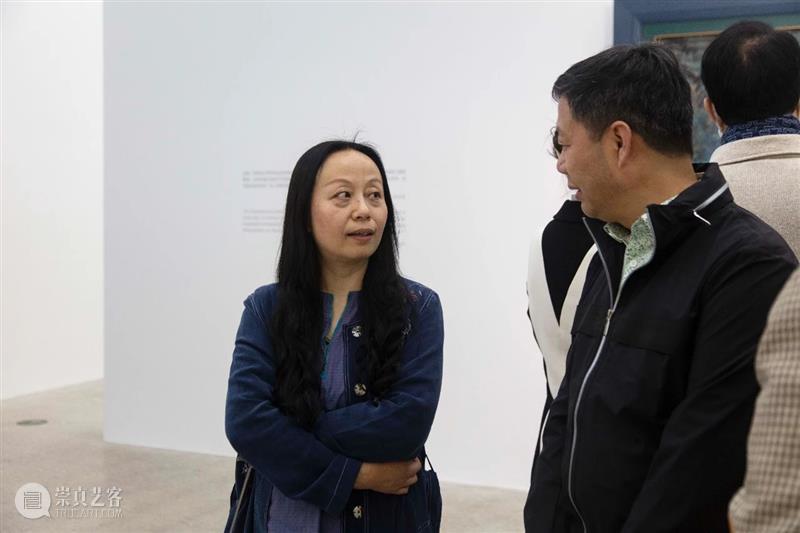
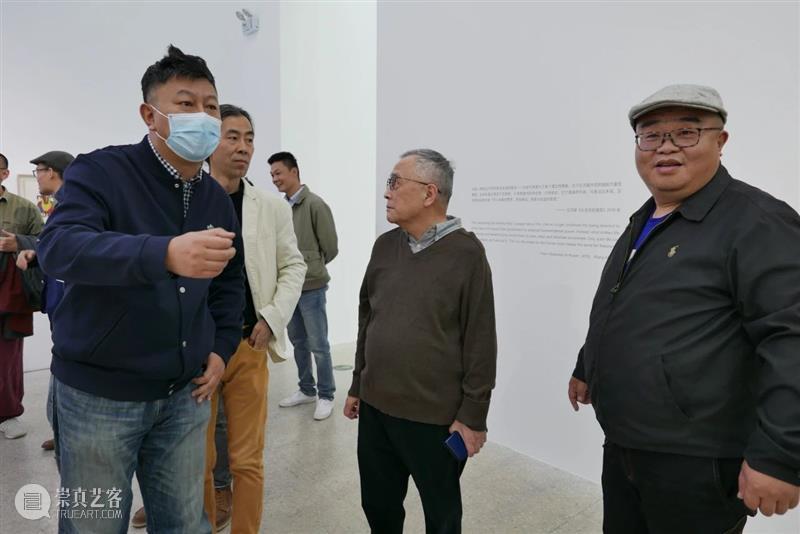
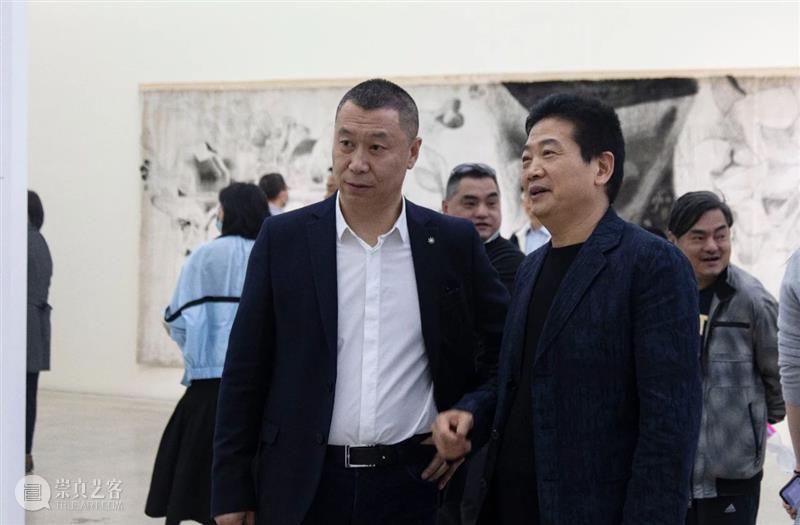
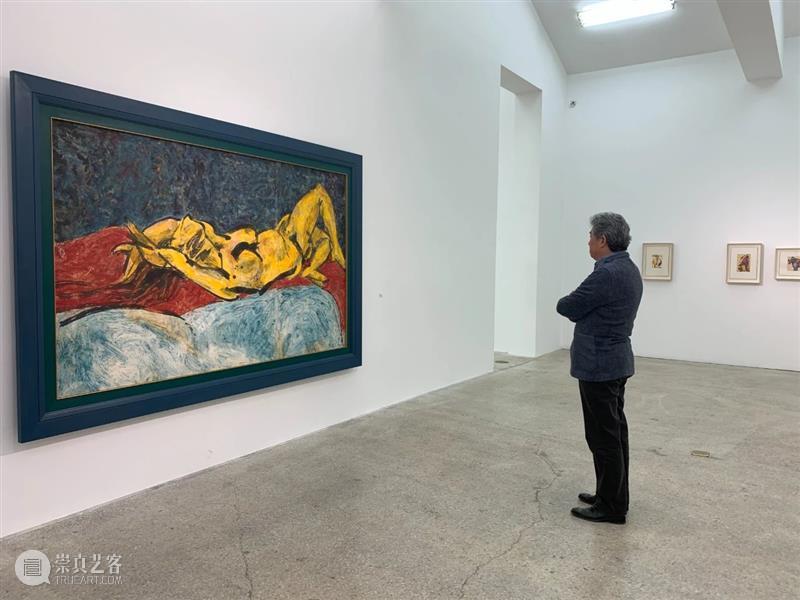
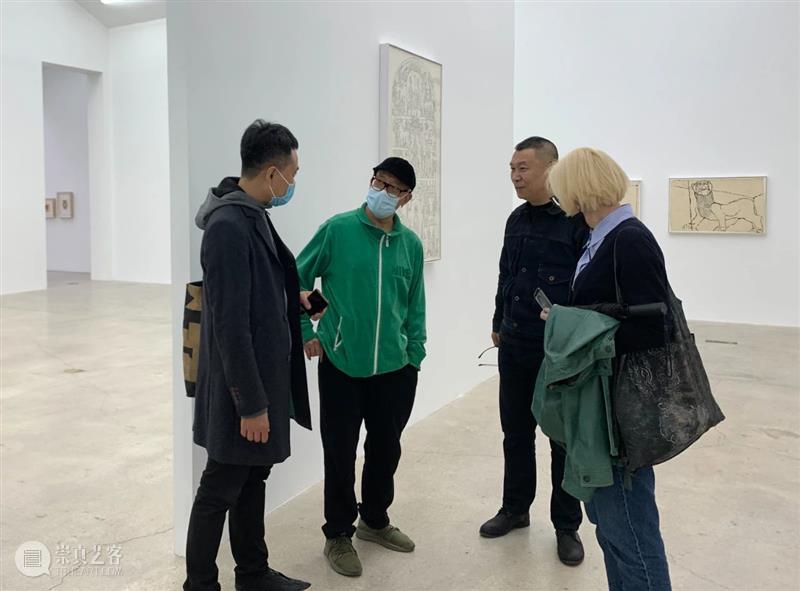
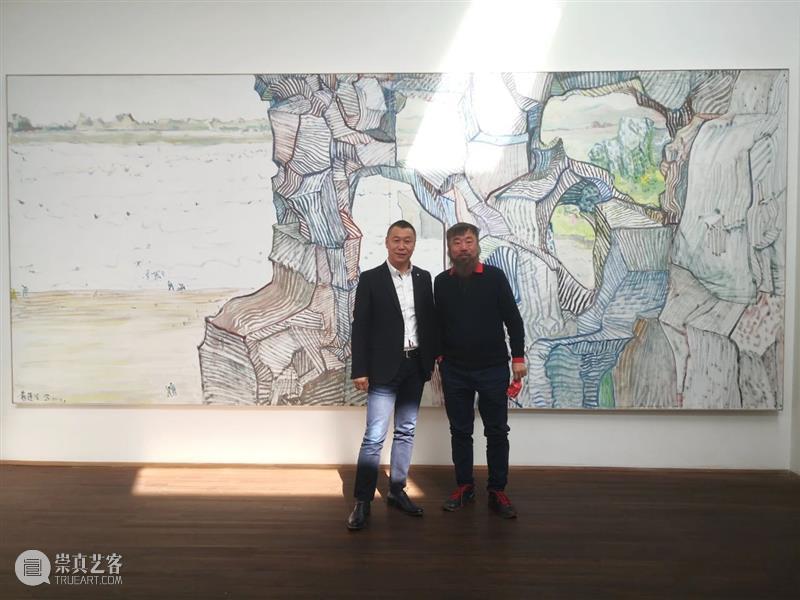
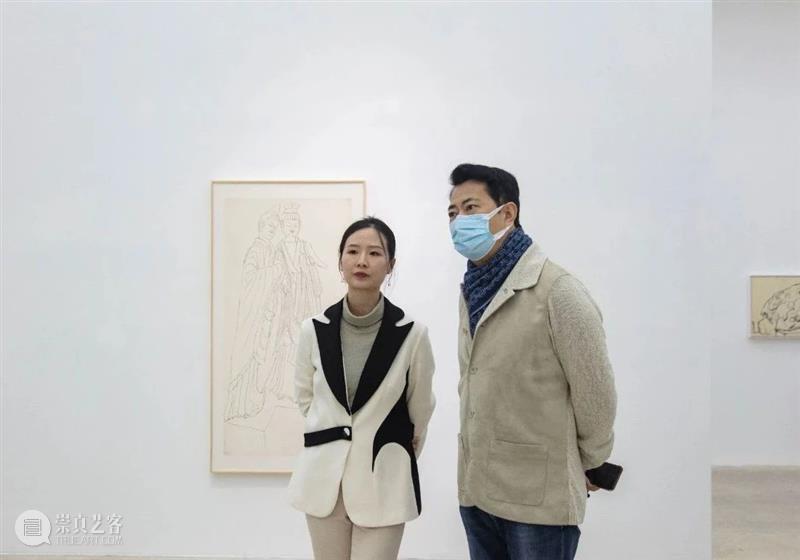
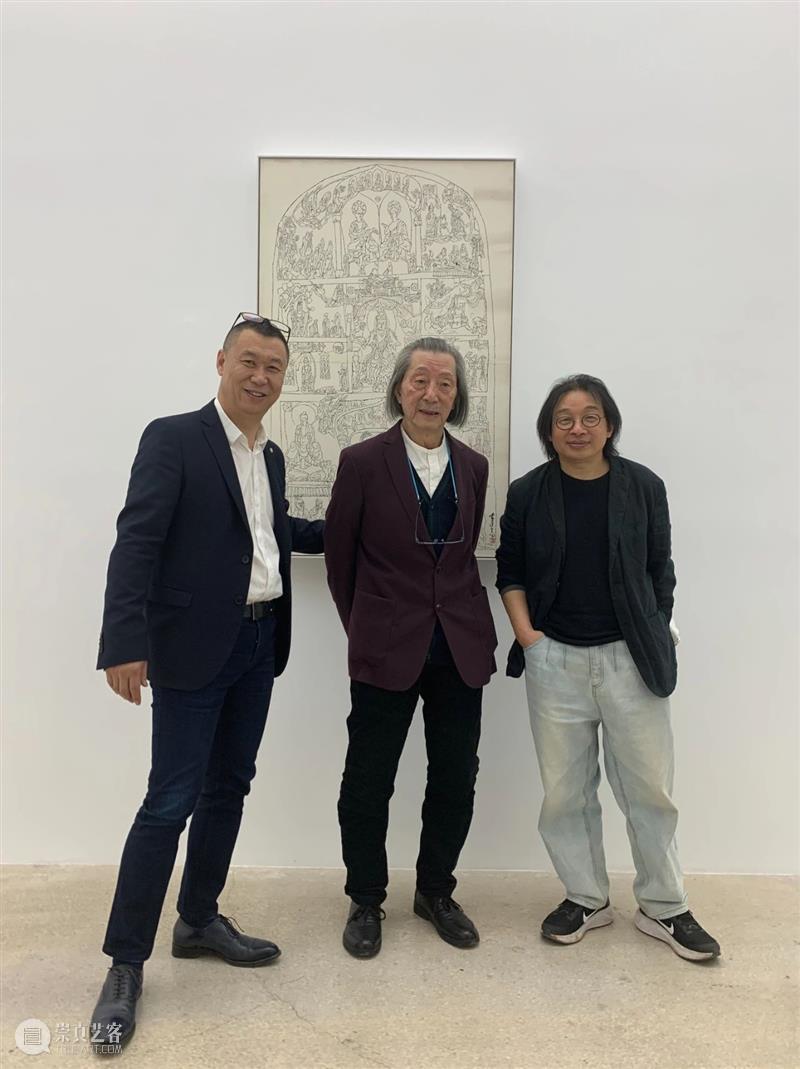
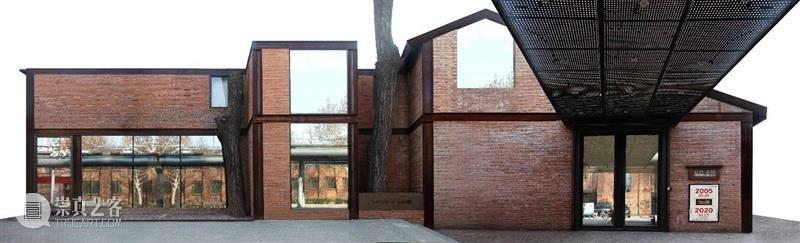
(北京朝阳区酒仙桥路2号798艺术区中二街 D07)Platform China Contemporary Art Institute D07 Main 2nd Street, 798 Art District, Beijing
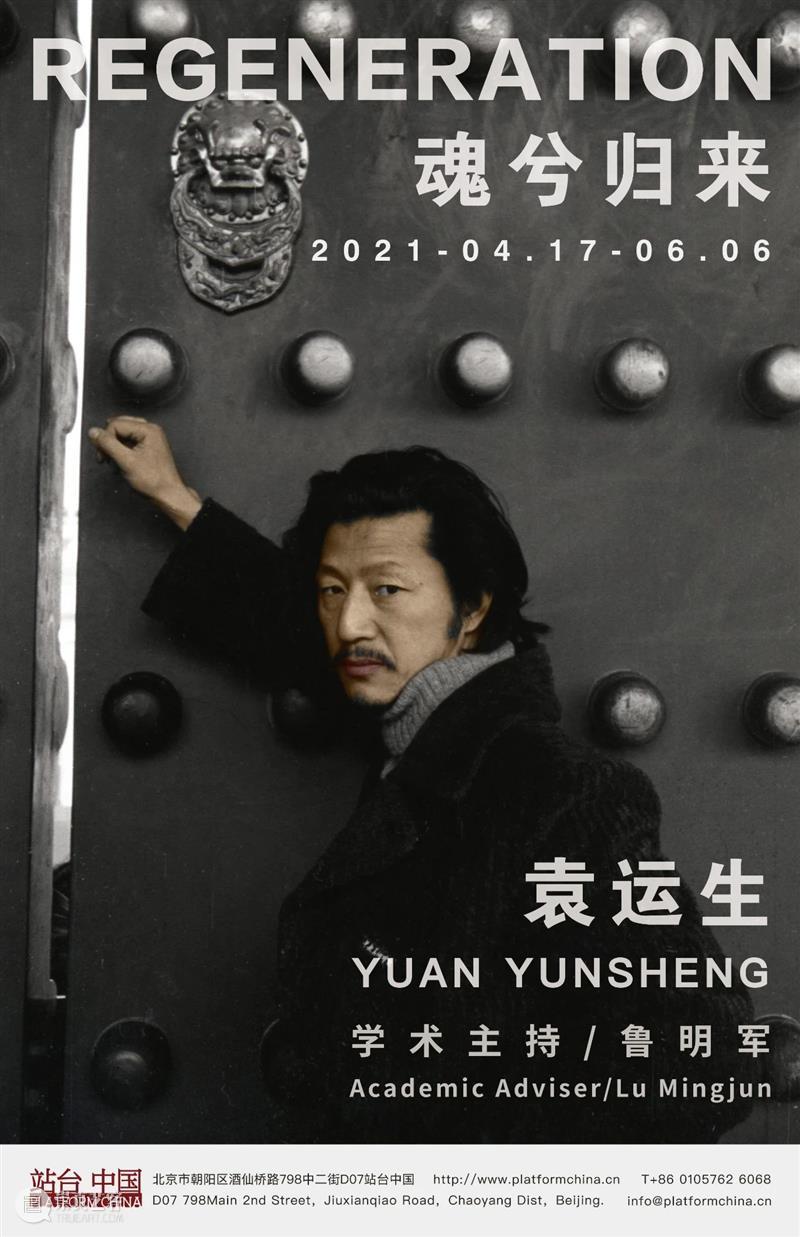
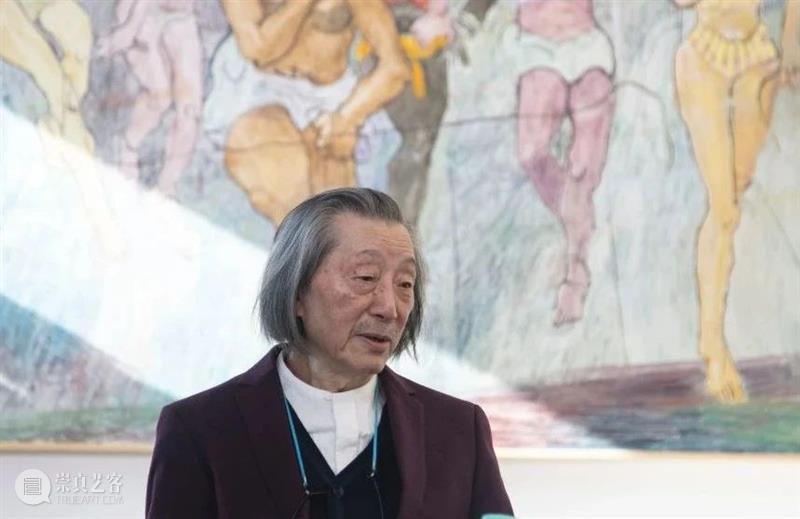 Yuan Yunsheng, born in Nantong, Jiangsu Province on April 4, 1937, graduated from The Third Studio directed by Dong Xiwen, oil painting department, Central Academy of Fine Arts (CAFA) in 1962. In 1979, he participated in making mural paintings for Beijing Capital International Airport and taught in mural Department of the Central Academy of Craft Art and CAFA. He gained attention from art and intellectual circles with the portraits of Xishuangbanna people, as well as a large fresco “Water Sprinkling Festival: An ode to Life” commissioned by Beijing Capital International Airport. In 1982, he was invited to visit the United States until 1988 and taught at Tufts University, Massachusetts University, Smith College, Harvard University. During his stay, he created a large number of mixed media works on paper. In September 1996, he was invited to be the director and professor of the Fourth Studio of the oil painting department, CAFA. He initiated research project “Reproduction of Traditional Chinese Sculpture and Establishment of Contemporary Chinese Art Education System”, attempted to seek inspiration and new enlightenments from traditional Chinese sculptures, frescoes, portrait stones, portrait bricks and other “non-painting systems”.His recent important solo exhibition includes: 《REGENERATION》, Platform China Contemporary Art Institute, Beijing (2021); The Restoration of the Memory –A Study of the history of Yuan Yunsheng’s work ‘Memories of the Water Town’, CAFA Art Museum, Beijing (2021); EXTOL LIFE, Platform China Contemporary Art Institute, Beijing (2019); Self-Conscious to the Civilization Renowned Chinese Artists of Fine Arts in the 20th Century, National Art Museum, Beijing (2017); The Third Path—Yuan Yunfu Yuan Yunsheng paintings exhibition,Inside-Out Art Museum, Beijing (2014)His works have been collected by important art galleries and institutes at home and abroad.
图文编辑:于畅、高雨萌
{{flexible[0].text}}

 {{newsData.good_count}}

 {{newsData.transfer_count}}







 分享
分享