
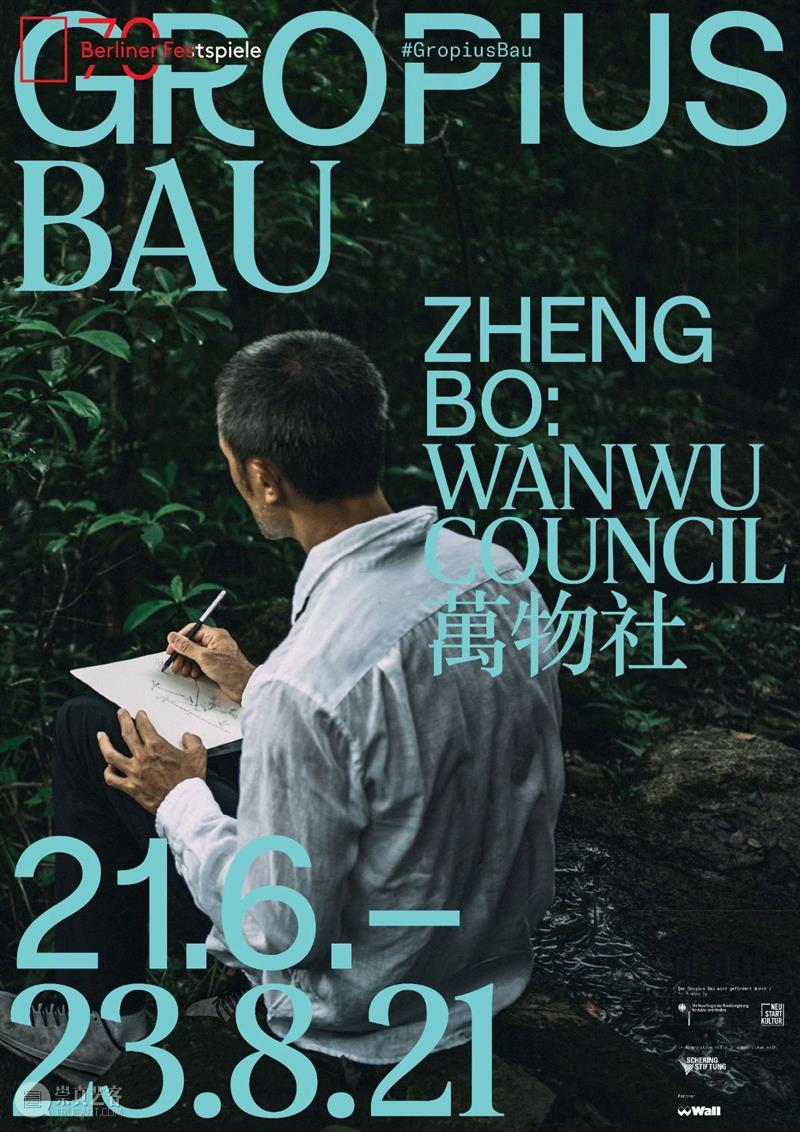
图片由格罗皮乌斯博物馆提供
Image courtesy of Gropius Bau
正在展出 Current Exhibition
个展 Solo Exhibition
展期 Date:2021.6.21-8.23
地址 Address: 德国柏林格罗皮乌斯博物馆
Gropius Bau, Berlin, Germany
(Scroll down for English version)
郑波于格罗皮乌斯博物馆的个展“万物社”于6月21日开幕。
“我们不能继续生活在人类拥有这个星球的幻想中。艺术机构如何才能走向一个超越人类的未来呢?”——郑波,2021年
(左右滑动查看更多 Slide for more)
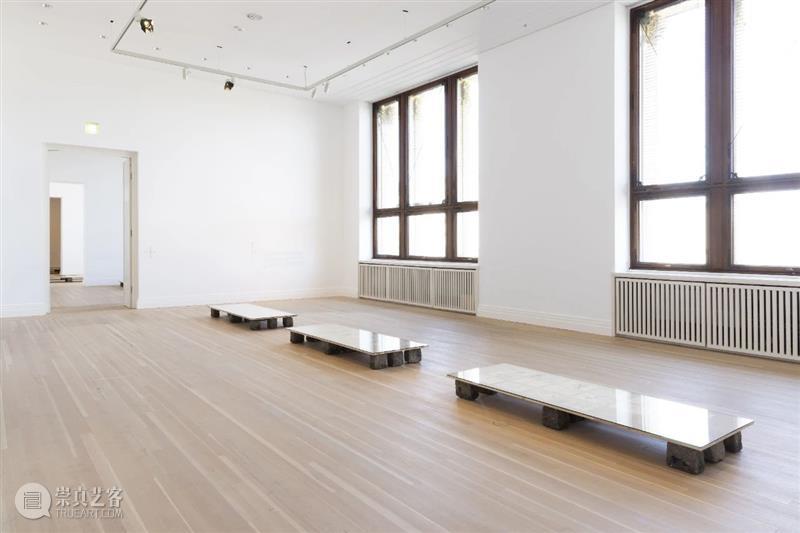
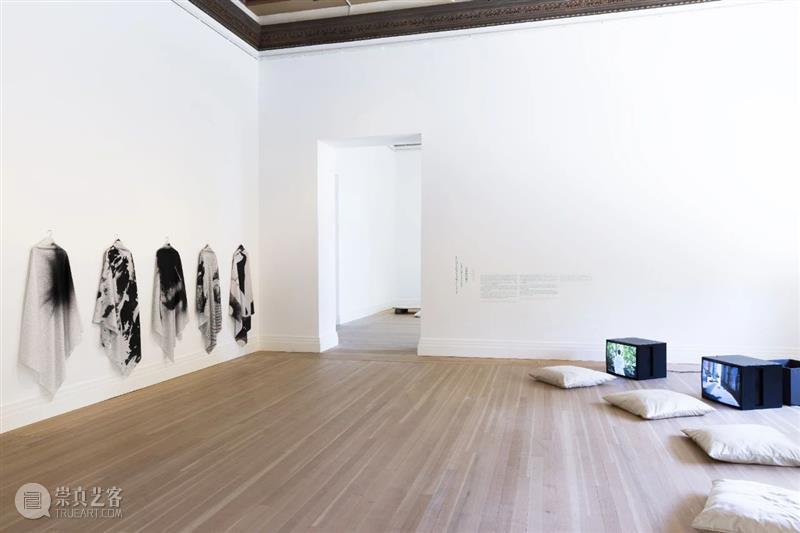
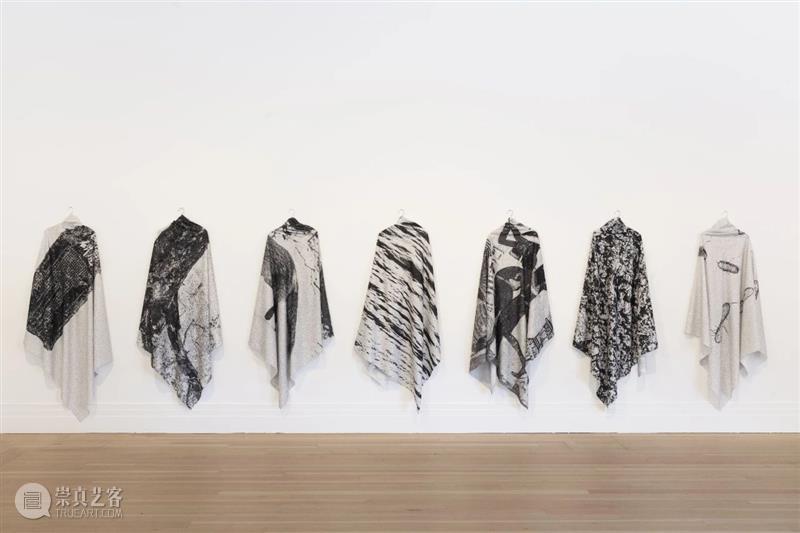
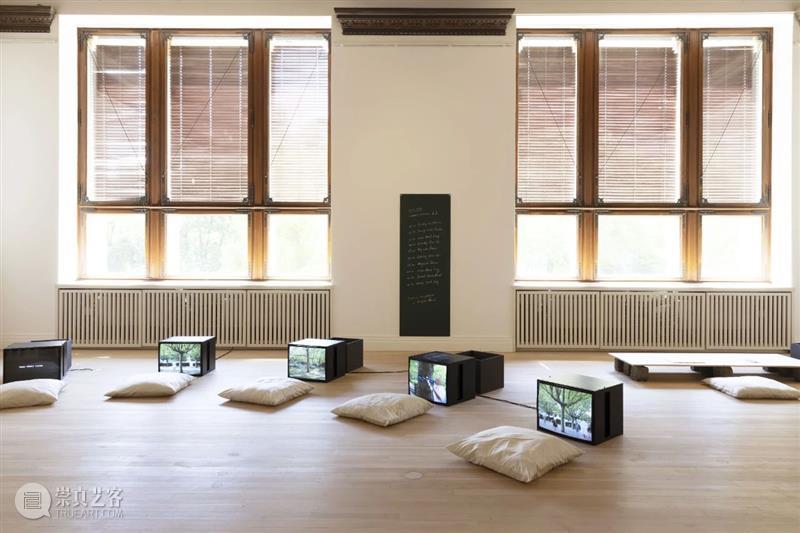
展览现场 Installation view
图片由格罗皮乌斯博物馆提供
Image courtesy of Gropius Bau
生态危机、政治动荡和全球性的卫生紧急状况日益危及地球生命。在郑波看来,这种困境源于地球之内、人类至上的错觉。若要实现地球的修复,就必须超越人类的视角,并承认一切生命形式间的相互关联。
展览标题“万物社”源自于道家的概念“万物”。这个词意为“一万个事物”、“各种各样的事情”,同时也有“超越人类”的意思,指代生命各种形式的无限可能性。本次展览的核心活动便是郑波组织“万物社”,于2021年8月将一群艺术家、科学家及活动家召集到柏林。社团的每个成员将引导生命或物质能量的另一种形式:光、水、季节、土壤、微生物、杂草、梧桐树、蜜蜂、狐狸、社群、历史和精神。社团的任务是集体撰写一份关于“万物未来”的宣言。
(左右滑动查看更多 Slide for more)
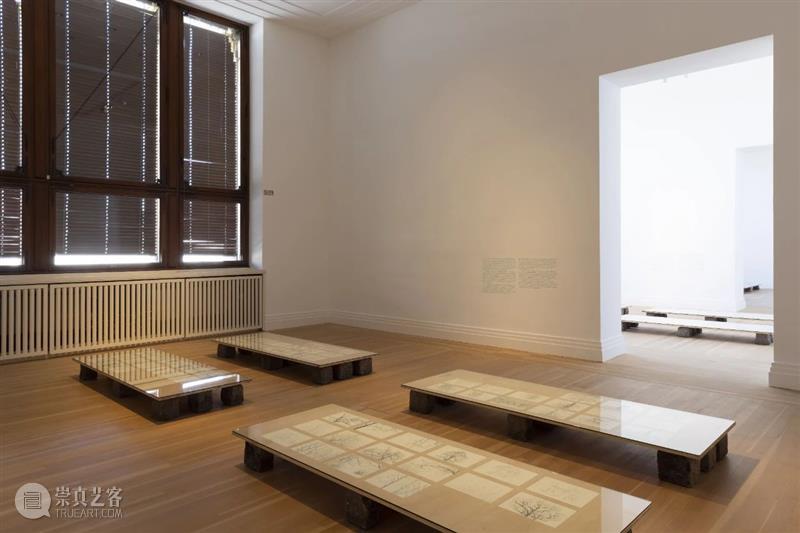
展览现场 Installation view
图片由格罗皮乌斯博物馆提供
Image courtesy of Gropius Bau
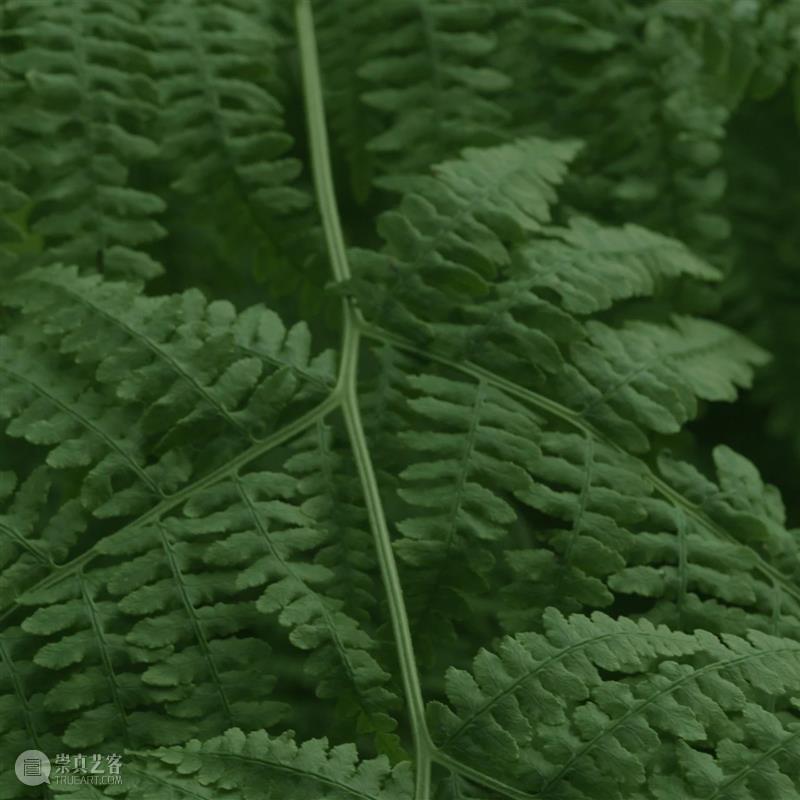
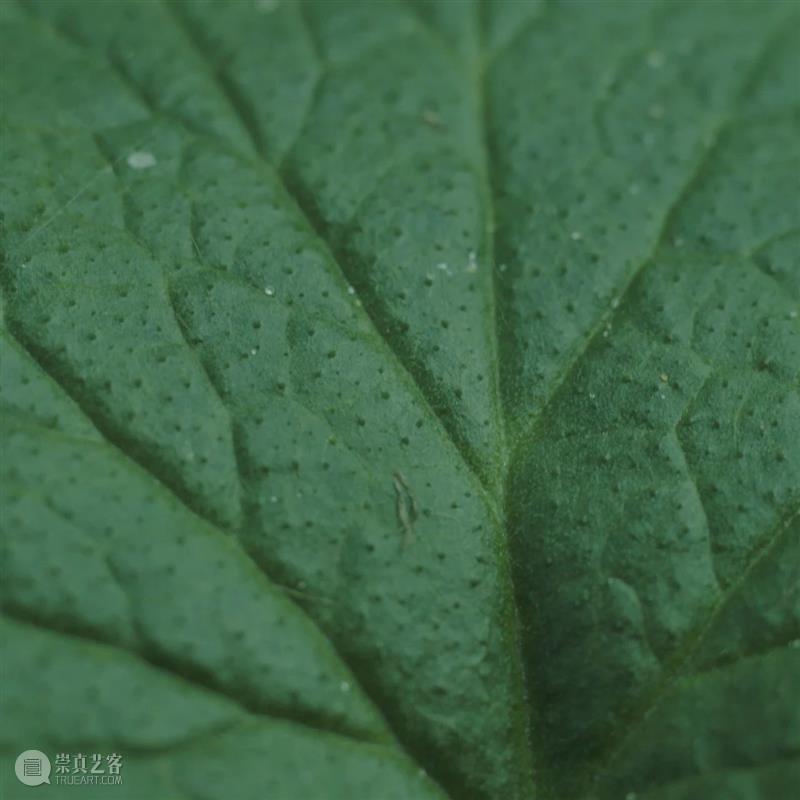
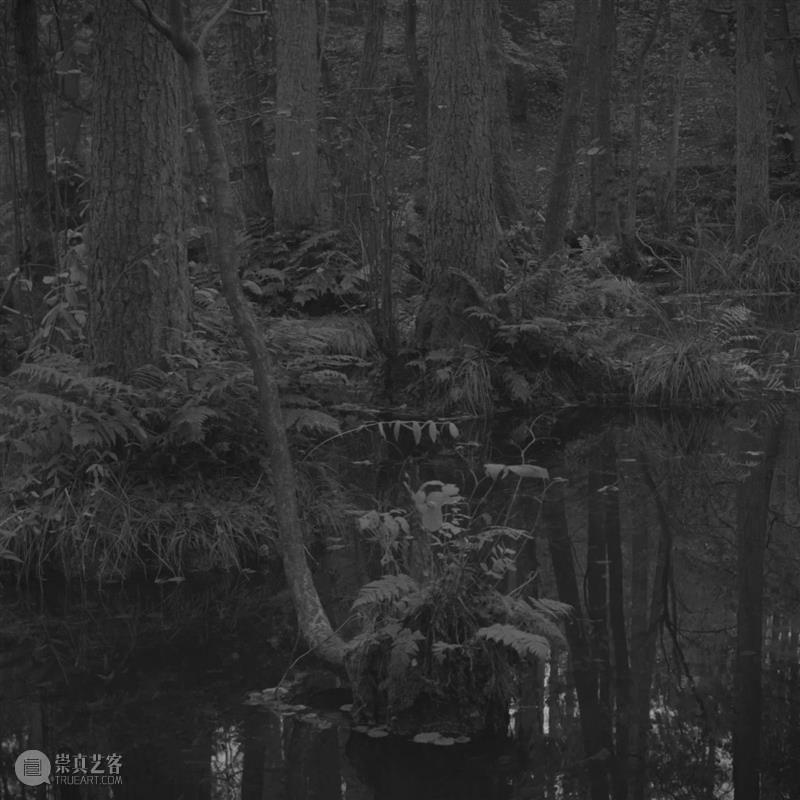
此外,“万物社”还展出了一部新影片,以思考郑波在艺术驻留期间所提出的核心问题:“植物如何实践政治?”这部影片题为《植物的政治生活》(2021),片长约30分钟。影片的主角是位于德国勃兰登堡州格鲁姆辛的一片古老山毛榉林,这里也是联合国教科文组织的世界自然遗产地。影片由Schering Stiftung基金会赞助,当中还收录了艺术家与分别于柏林和波茨坦工作的科学家Matthias Rillig及Roosa Laitinen的对话,他们共同讨论了植物如何在分子水平上实践政治。
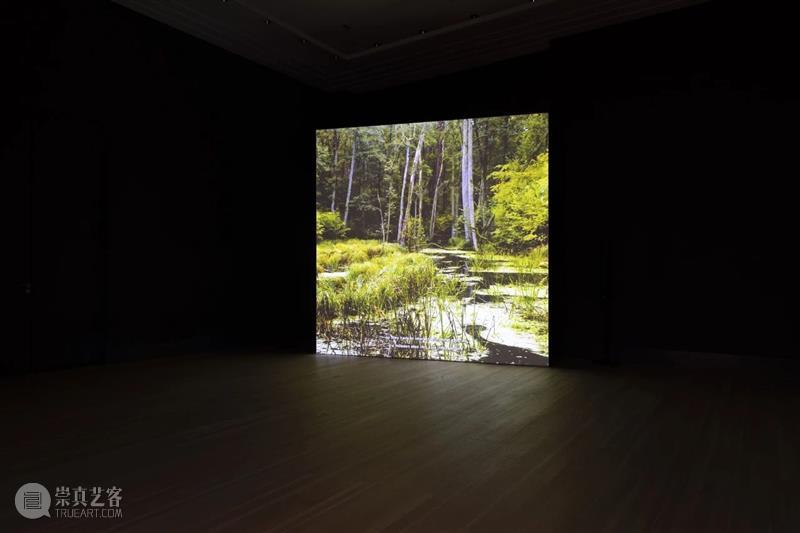
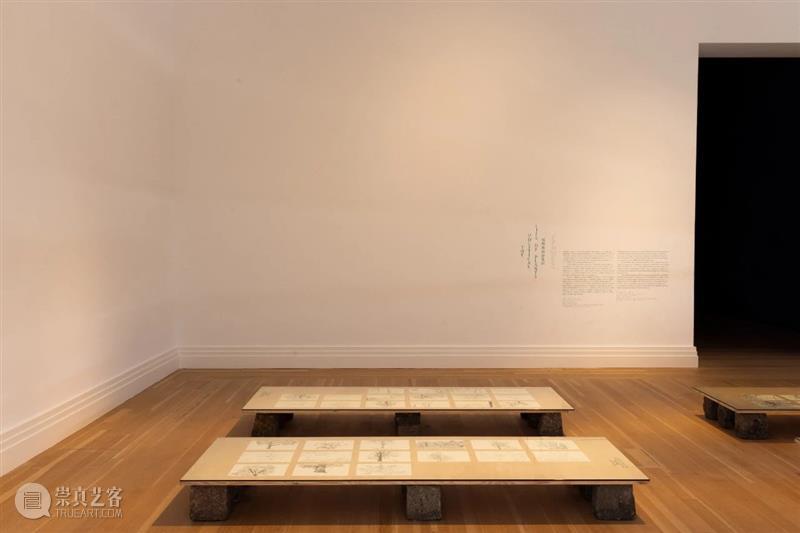
展览现场 Installation view
图片由格罗皮乌斯博物馆提供
Image courtesy of Gropius Bau
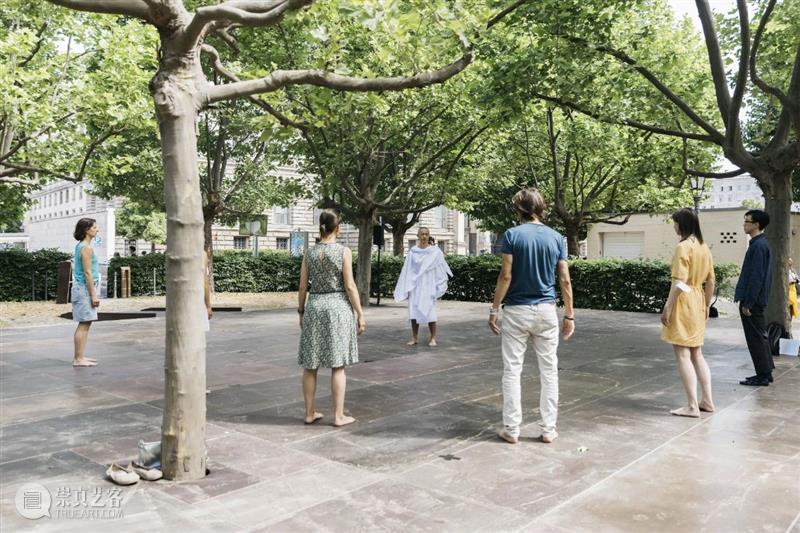
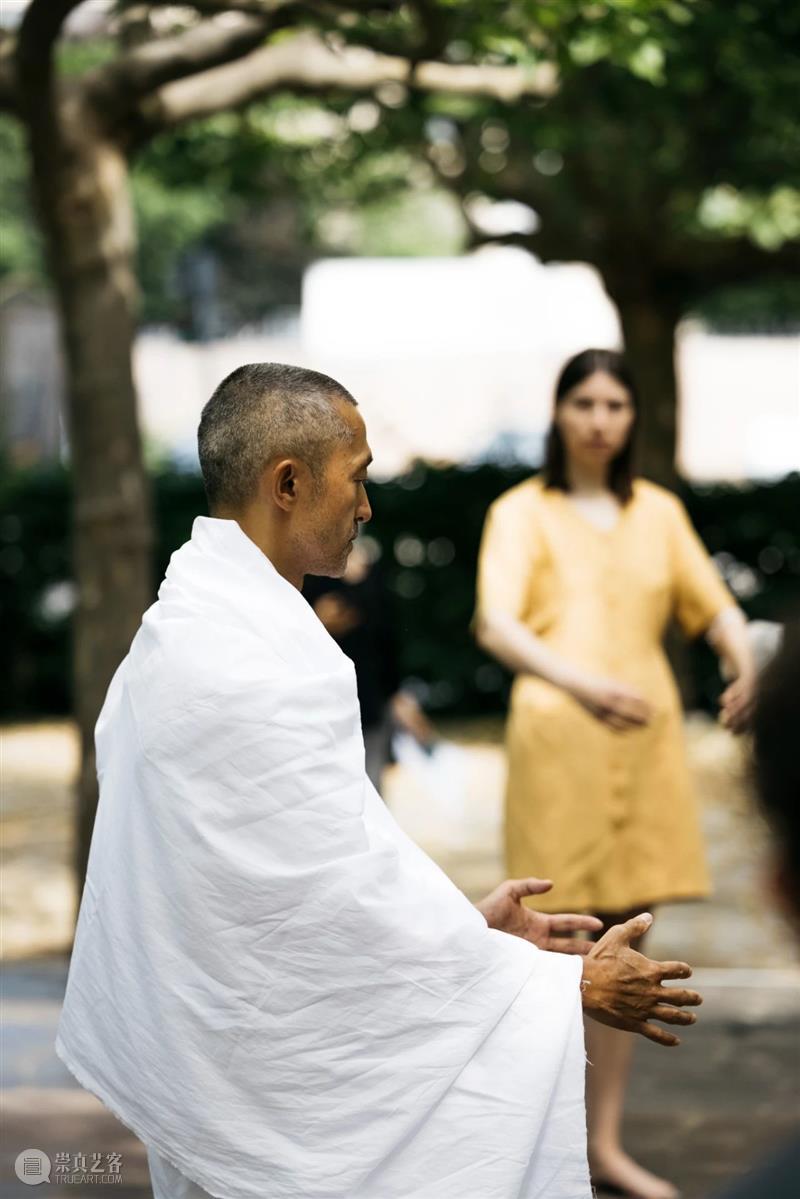
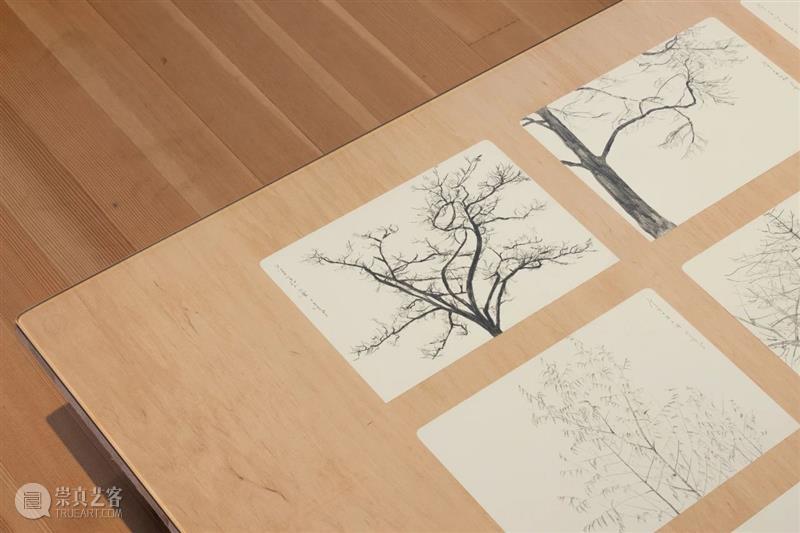
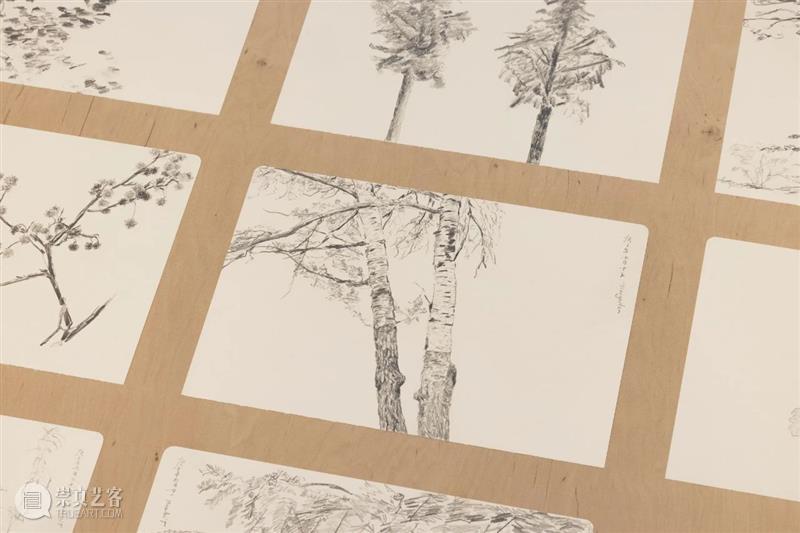
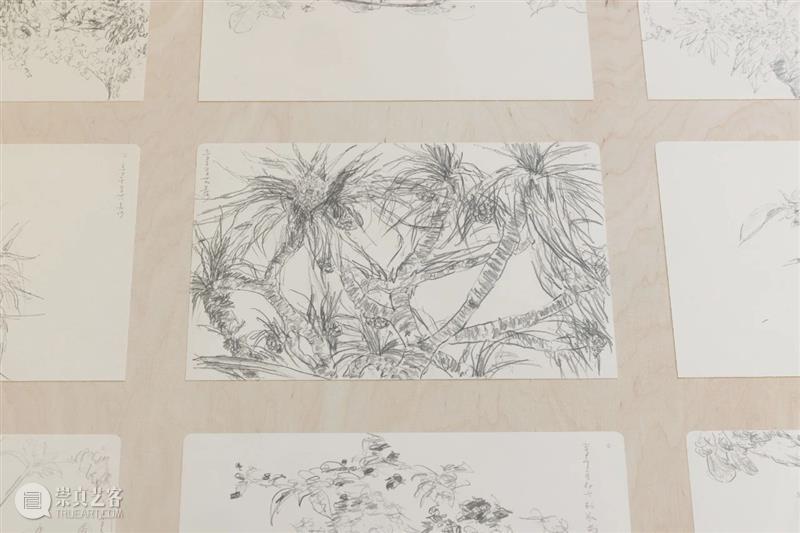
在郑波的“植物同志”驻留项目期间,他在每个节气日都会举办活动。节气意味着东亚农历中一个新时期的开始,农历则根据农务事件及天文情况将一年分为二十四节气。这种时间结构意在“帮助人类感知季节变更”。以这些包括步行、阅读和野草速写等行为的活动为原型,郑波进而发展出《生态感悟练习》(2021)。在展览期间的每天下午,郑波都会在“格罗皮乌斯树林”(博物馆西侧的梧桐树群)内临时搭建的平台上主持练习活动。这些《生态感悟练习》的练习指引也将以数字形式发布,可随时进行练习。艺术家提议将这些活动结合起来,通过克服人类至上的虚构设想,为地球上所有相互依赖的生命形式重建和平共处的关系。
展览现场 Installation view
图片由格罗皮乌斯博物馆提供
Image courtesy of Gropius Bau
“万物社”借鉴了农历的直觉知识,即认为生命形式和自然界拥有着自身的节律,格罗皮乌斯博物也将这个观点融入机构的项目计划中。本次展览中的练习和开幕式,将从夏至开始,到第十四个节气处暑结束。
“万物社”由Stephanie Rosenthal和Clare Molloy策展。
— 译自格罗皮乌斯博物馆提供的文字
观看郑波与策展人Stephanie Rosenthal带来的
展览导览
View the exhibition tour
guided by Zheng Bo and Stephanie Rosenthal
Zheng Bo's solo exhibition Wanwu Council 萬物社 at Gropius Bau opens on 21 June 2021.
“We cannot continue living in the fantasy that humans own this planet. How can art institutions move towards a more-than-human future?” – Zheng Bo, 2021
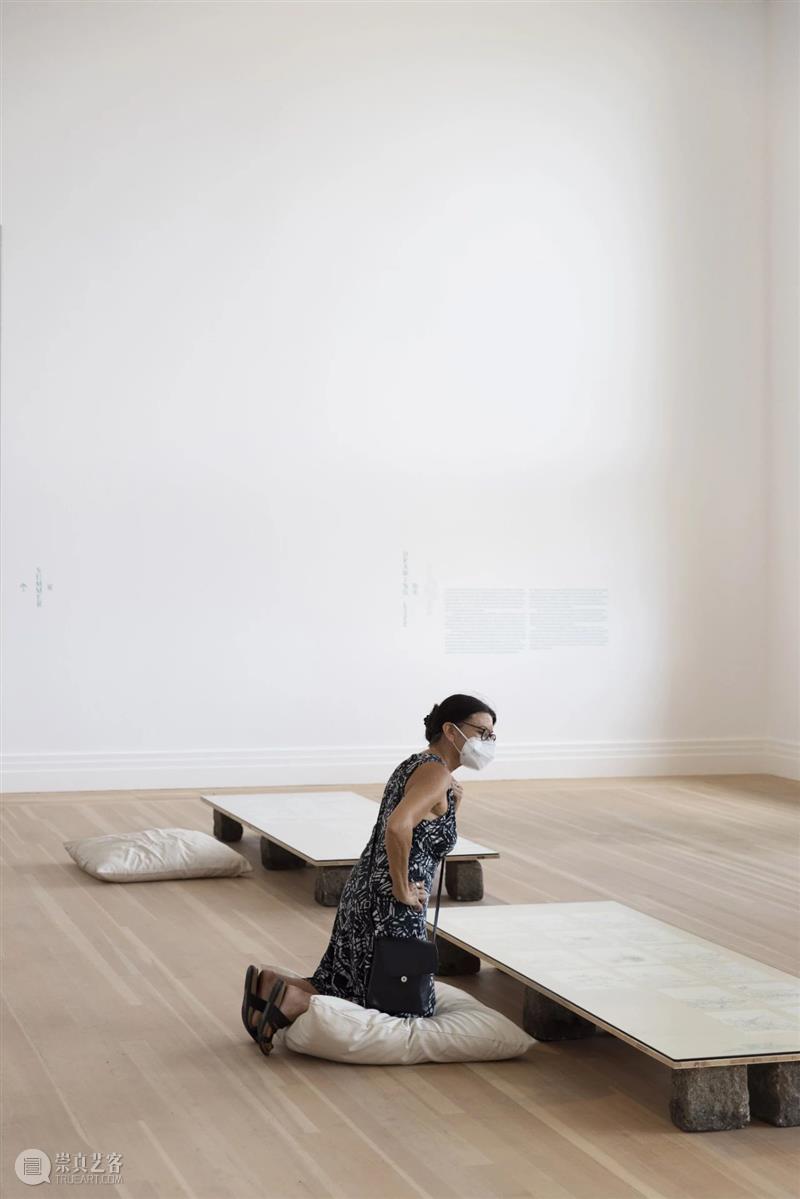
展览现场 Installation view
图片由格罗皮乌斯博物馆提供
Image courtesy of Gropius Bau
Ecological crises, political upheaval and global health emergencies increasingly endanger planetary life. For Zheng Bo, such predicaments stem from the delusion of human primacy on Earth. Global repair requires stepping beyond human perspectives and accepting the interrelatedness of all life forms.
The title of the exhibition, Wanwu Council 萬物社, draws from the Daoist notion of wanwu, a term that means “ten thousand things”, “myriad happenings”, but also “more-than-human”, and designates the infinite possibilities of life in all of its forms. A core action of this exhibition is Zheng Bo’s organisation of the “Wanwu Council”, a group of artists, scientists and activists that will gather in August 2021 in Berlin. Each member of the council will channel another form of life or matter-energy: light, water, seasons, soil, microbes, weeds, plane trees, bees, foxes, communities, histories and spirits. The task of the council is to collectively write a manifesto for a wanwu future.
Additionally, Wanwu Council 萬物社 presents a new film that speculates on the central question Zheng Bo posed during his residency: “How do plants practice politics?” Titled The Political Life of Plants 植物的政治生活 (2021), the c. 30-minute long film has as its protagonist an ancient beech forest in Grumsin, Brandenburg, which is a UNESCO World Natural Heritage Site. The film, which was supported by the Schering Stiftung, also features the artist in conversation with Berlin- and Potsdam-base scientists Matthias Rillig and Roosa Laitinen discussing how plants practice politics at a molecular level.
(左右滑动查看更多 Slide for more)
≡ 郑波 Zheng Bo
植物的政治生活 The Political Life of Plants, 2021
影片(4K录像,黑白,彩色,双声道)
Film (4K video, black and white, colour, 2 channel sound)
31 min
图片由艺术家提供
Image courtesy of the artist
During his residency, entitled Botanical Comrades 植物同志, Zheng Bo hosted events on the start of every solar term, the beginning of a new period in the East Asian lunisolar calendar, which divides a year into 24 solar term periods according to agricultural and astronomical events. This structuring of time intends to “help humans to sense the change of seasons”. From these prototype events, including walk-readings and drawing weeds, stem Zheng Bo’s Ecosensibility Exercises 生態感悟練習(2021). Throughout the exhibition, Zheng Bo is leading exercises, every afternoon, taking place on a new temporary platform built within the “Gropius Wood”, the community of plane trees found west of the Gropius Bau building. These instructions for the Ecosensibility Exercises will also be accessible digitally and can be practiced anytime. Uniting these activities is the artist’s proposal that by overcoming the fiction of human primacy, we can rebuild coexistence for all, interdependent forms of life on Earth.
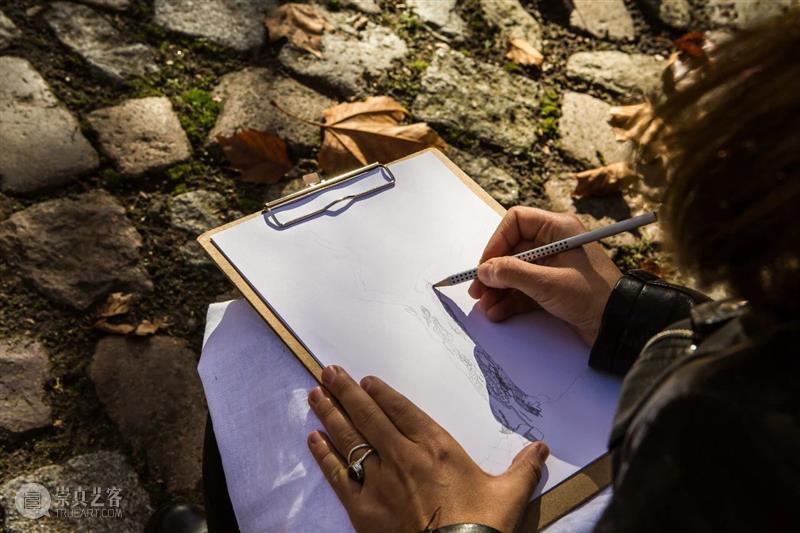
≡ 郑波 Zheng Bo
植物同志 Botanical Comrades
树想要什么?,2020年10月24日
What Do the Trees Want?, 24.10.2020
图片由格罗皮乌斯博物馆提供
Image courtesy of Gropius Bau
摄影 Photo: Laura Fiorio
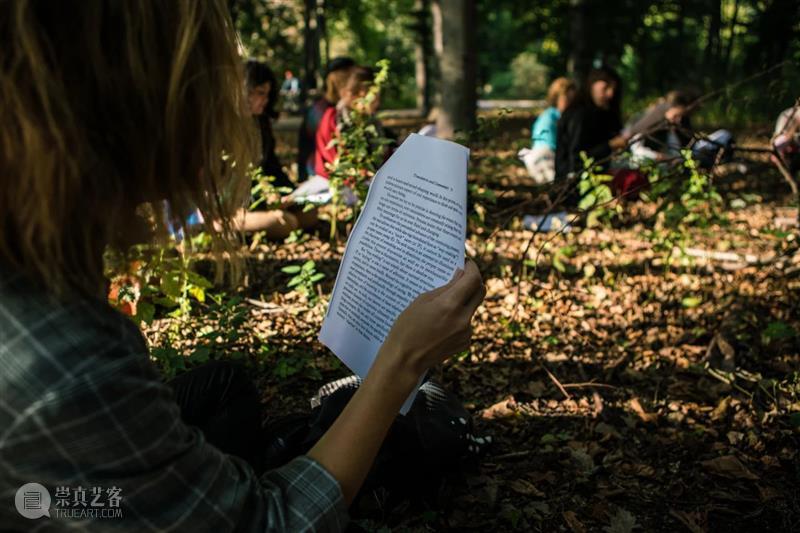
≡ 郑波 Zheng Bo
植物同志 Botanical Comrades
与郑波一起步行阅读,2020年9月7日
Walk-Reading with Zheng Bo, 7.9.2020
图片由格罗皮乌斯博物馆提供
Image courtesy of Gropius Bau
摄影 Photo: Laura Fiorio
Wanwu Council 萬物社 frequently draws on the lunisolar calendar’s intuition that life forms and nature contain their own rhythms, an insight that the Gropius Bau has incorporated into its own programme. This exhibition’s schedule of exercises and openings, will begin on the Summer Solstice 夏至, and ends on the 14th solar term, The End of Heat 处暑.
Wanwu Council 萬物社 is curated by Stephanie Rosenthal with Clare Molloy.
- Courtesy of Gropius Bau.
艺术家简介 About the artist
郑波是⼀位致⼒于⼈和⼈之间以及不同物种间平等的艺术家。他从边缘⼈群和边缘植物的视⻆探查历史、想象未来,并试图学习及培育创建⼀个美好⼈类世的⽣态智慧。郑波曾与亚洲和欧洲的多家美术馆和艺术空间合作,最近的有利物浦双年展(利物浦)、里斯本美术馆(葡萄牙)、第58届威尼斯双年展(威尼斯)、格罗皮乌斯博物馆(柏林)、Parco Arte Vivente(都灵)、立方计划空间(台北)、Villa Vassilieff(巴黎)、卡斯雕塑基金会(古德伍德)、四方美术馆(南京)和香港艺术馆。2018年,他的作品入选“第十二届欧洲宣言展”,“全球都市国际双年展”,“第十一届台北双年展”,“第二届银川双年展”,“第一届泰国双年展”。2018年,他结束了位于香港的亚洲艺术文献库的驻留项目。
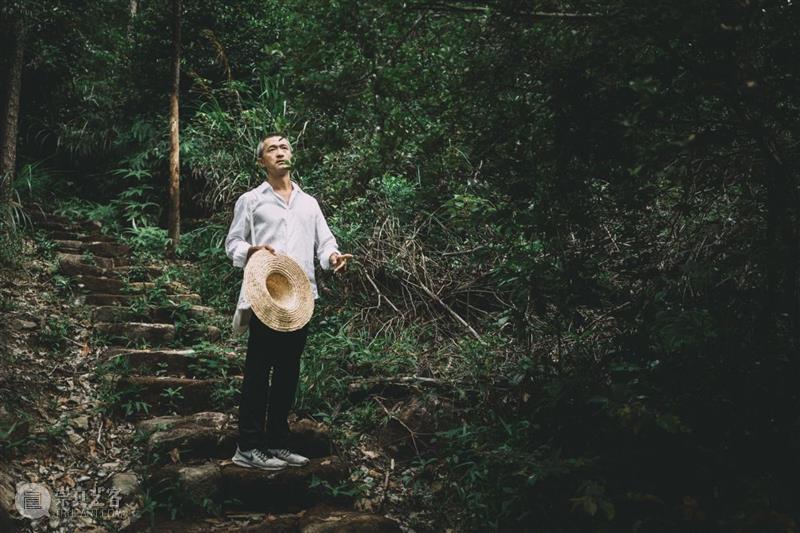
图片由艺术家和马凌画廊提供
Image courtesy of the artist
and Edouard Malingue Gallery
Zheng Bo is an artist committed to human and multispecies equality. He investigates the past and imagines the future from the perspectives of marginalized communities and marginalized plants. He is learning to cultivate ecological wisdom for a Good Anthropocene. Zheng Bo has worked with a number of museums and art spaces in Asia and Europe, most recently Liverpool Biennial 2021 (Liverpool), Kunsthalle Lissabon (Portugal), 58th Venice Biennale (Venice), Gropius Bau (Berlin), Parco Arte Vivente (Torino), TheCube Project Space (Taipei), Villa Vassilieff (Paris), Cass Sculpture Foundation (Goodwood), Sifang Art Museum (Nanjing), and Hong Kong Museum of Art. In 2018 his works have been included in Manifesta 12, Cosmopolis #1.5, the 11th Taipei Biennial, the 2nd Yinchuan Biennial, and the 1st Thailand Biennial. In 2018 he completed an artist residency at Asia Art Archive, Hong Kong.
即将展出 UPCOMING EXHIBITION:




 {{newsData.good_count}}

 {{newsData.transfer_count}}




 分享
分享