
HOW 新展丨我与博伊斯 · 王广义:人脸识别-寻找鞑靼人后裔明日正式开幕
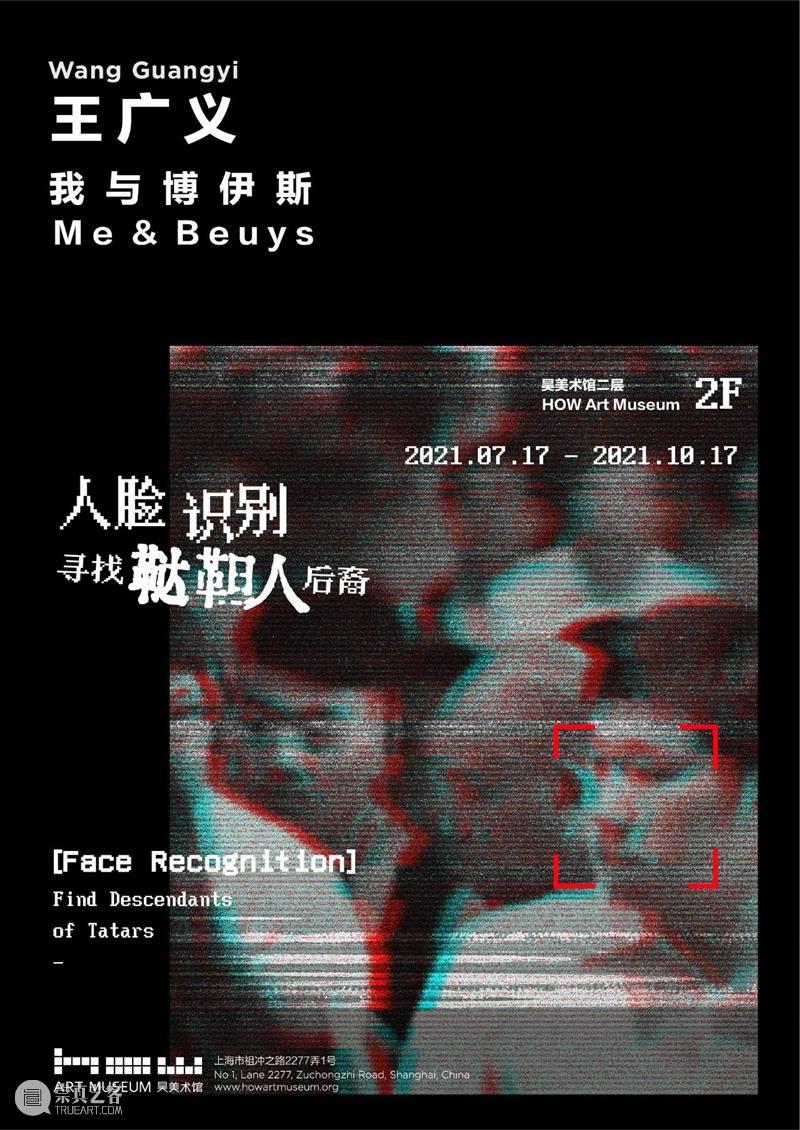
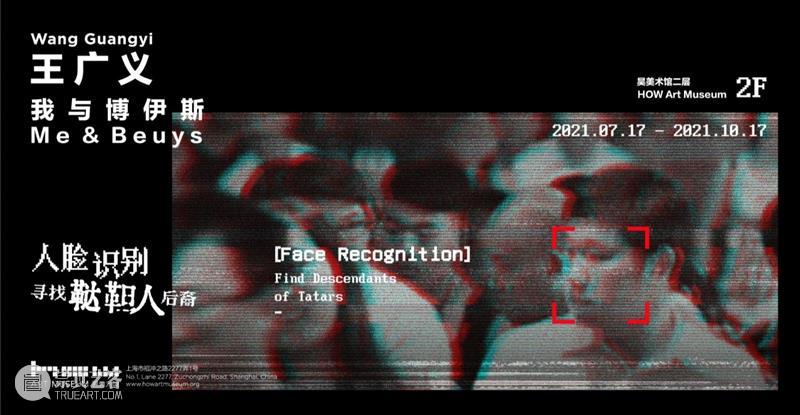
人脸识别-寻找鞑靼人后裔
展期:2021年07月17日- 2021年10月17日
艺术家:王广义
策展人:杜曦云
地址:昊美术馆(上海)二楼特别项目展厅
主办:昊美术馆
Please scroll down for English version.
昊美术馆荣幸地宣布,持续性项目“我与博伊斯”的第五个展览,将于2021年7月17日在昊美术馆(上海)2层展厅开展,此项目每4个月邀请一位艺术家,用作品的形式与馆藏的博伊斯展览进行对话,并在博依斯展区以“展中展”的形式展出。项目由策展人杜曦云主持。
EXHIBITION VIEW
展览现场
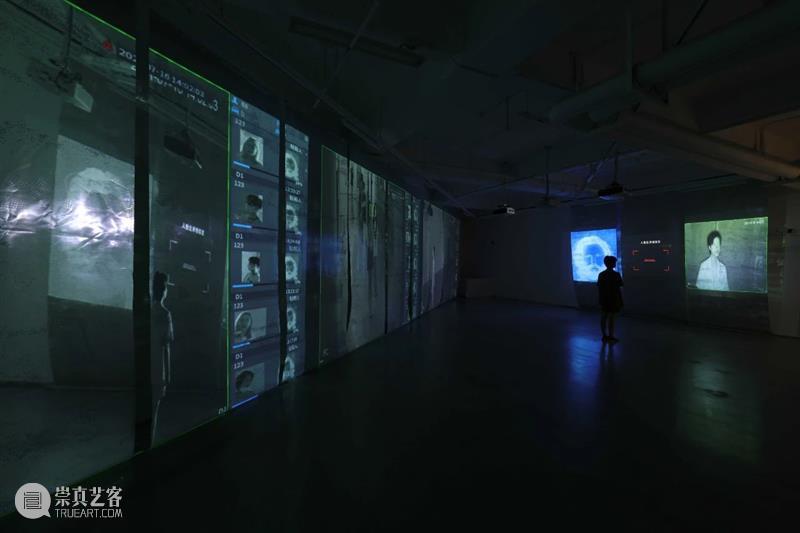
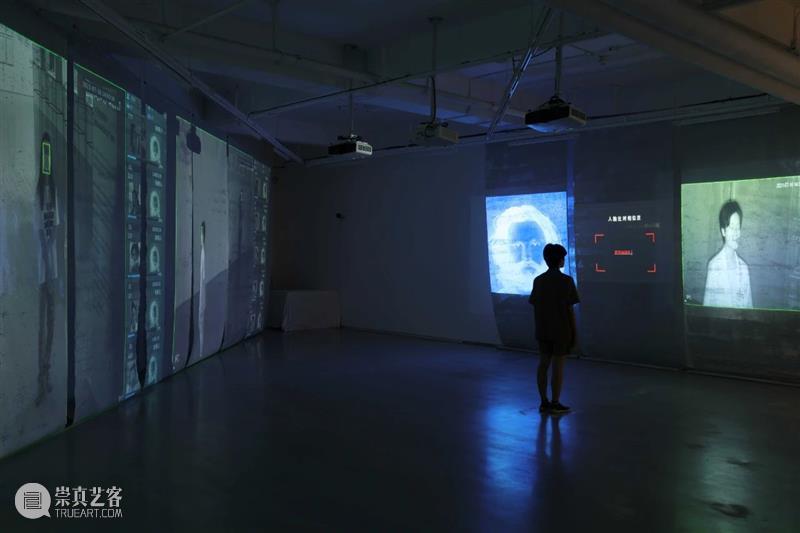
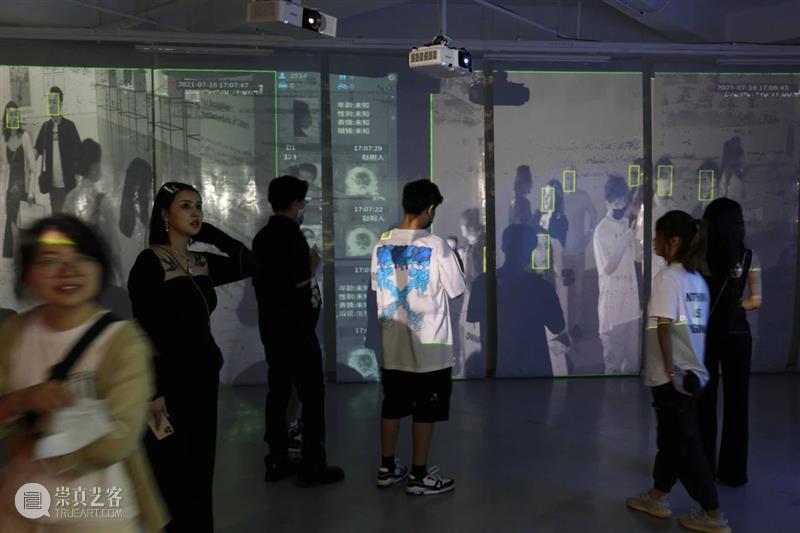
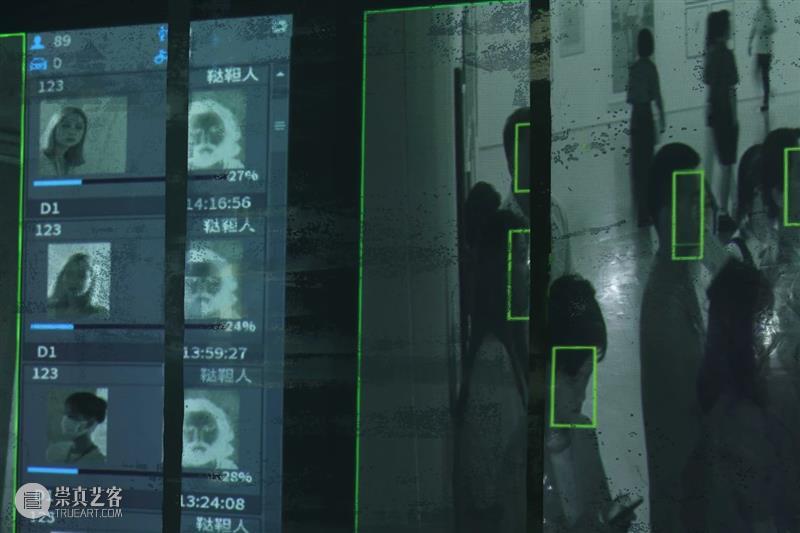
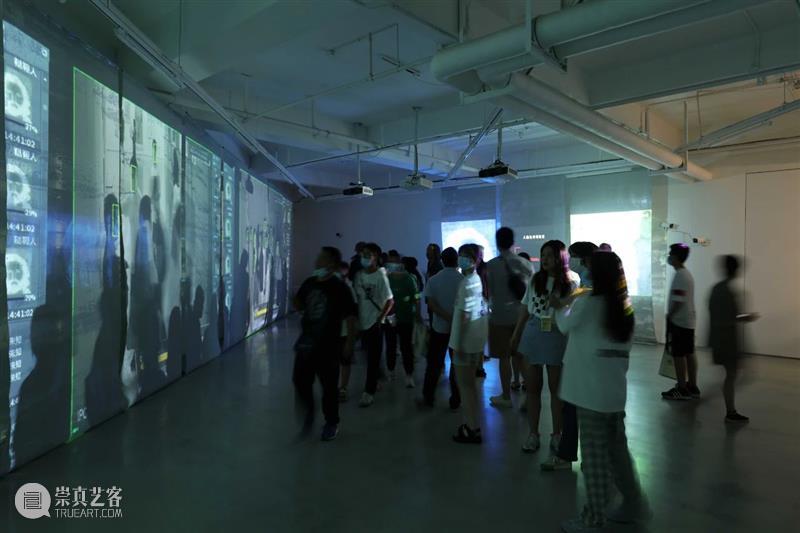
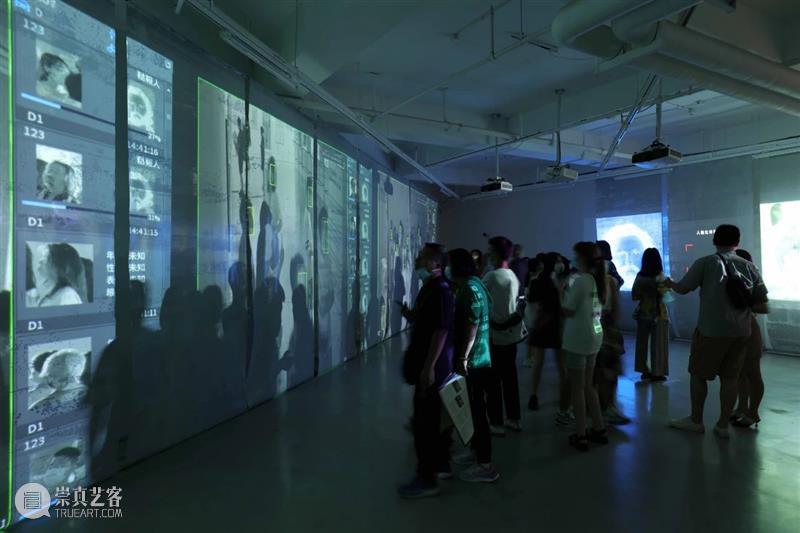
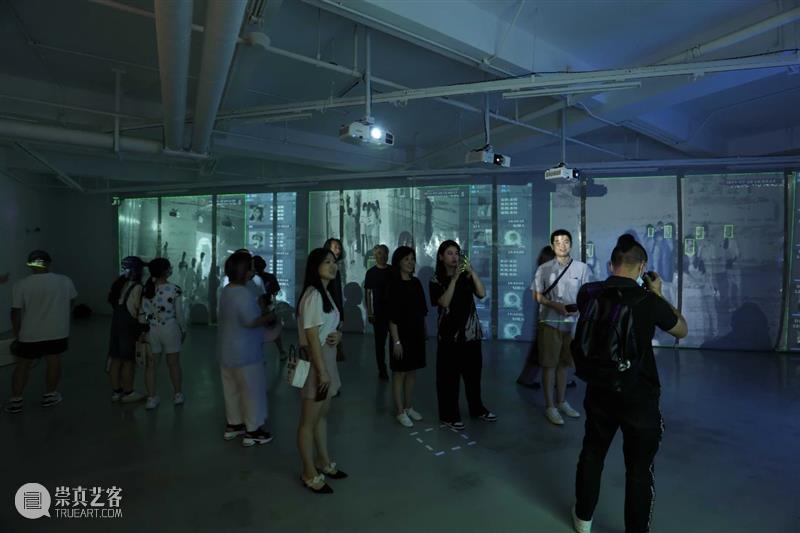
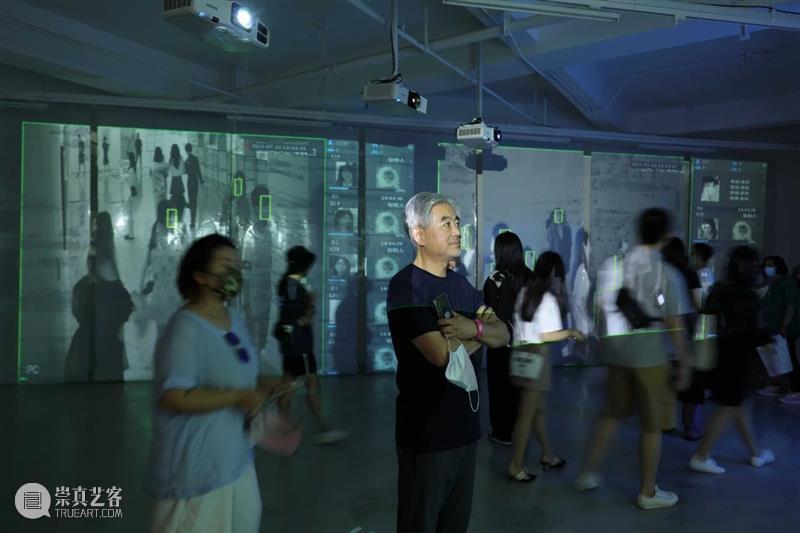
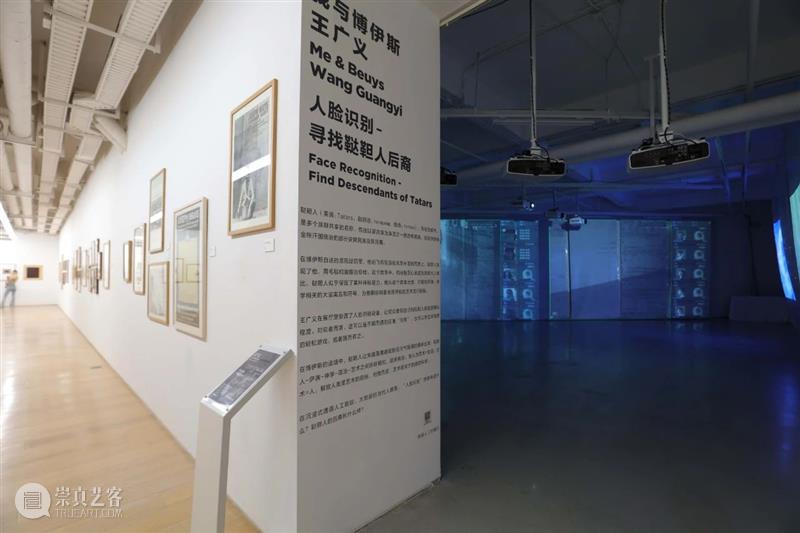
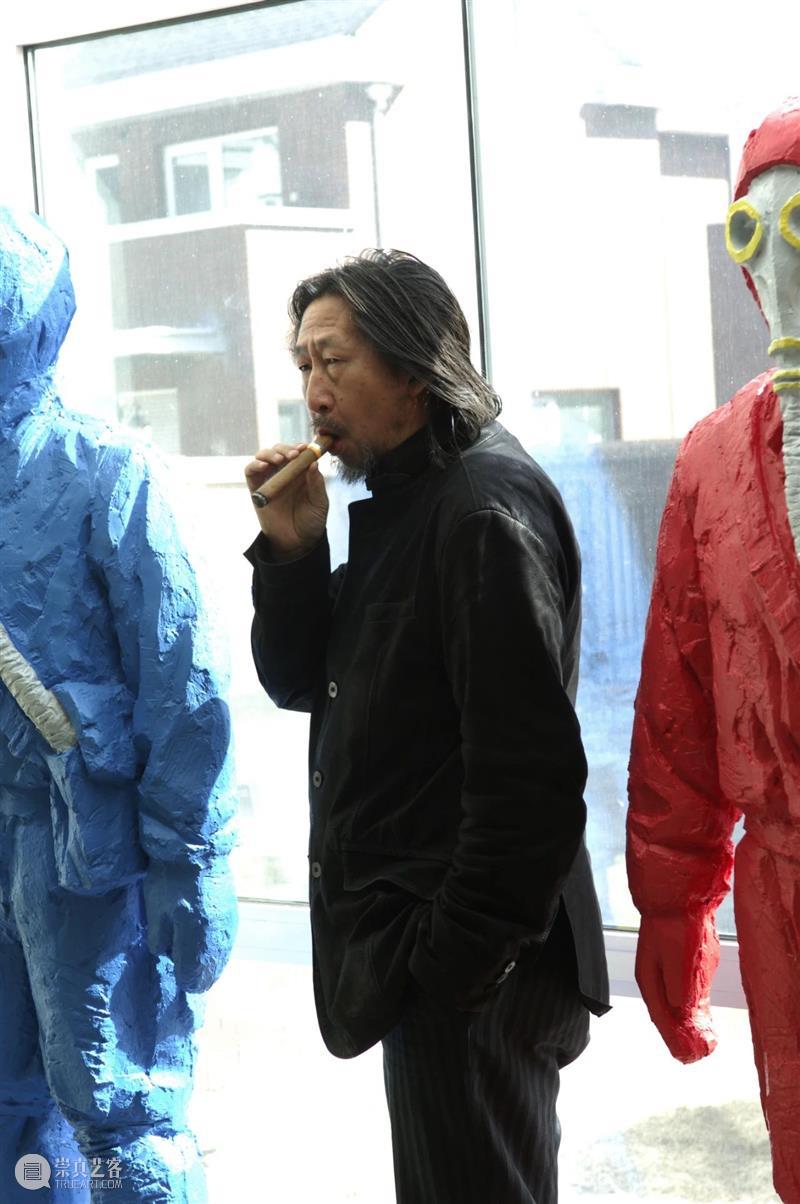
我与博伊斯 · 王广义:“人脸识别 - 寻找鞑靼人后裔”展览现场,2021,©️昊美术馆,摄影:陈峰
-
EXHIBITION GUIDE
策展人导览
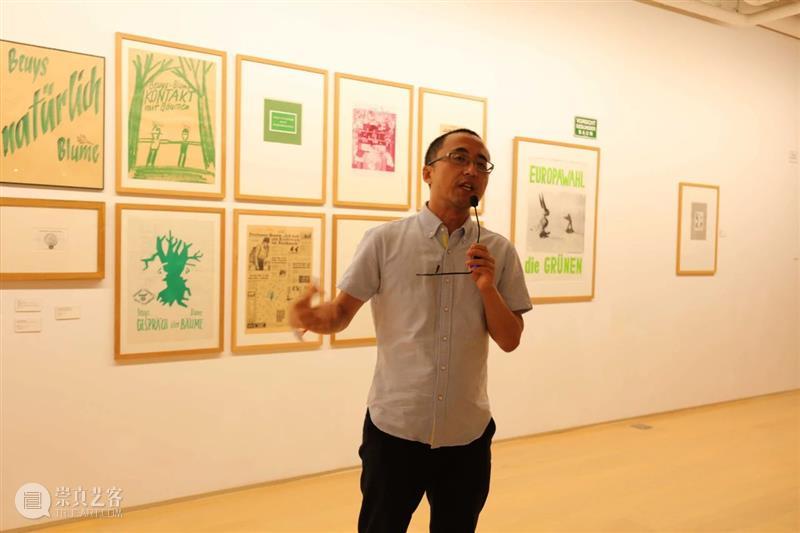
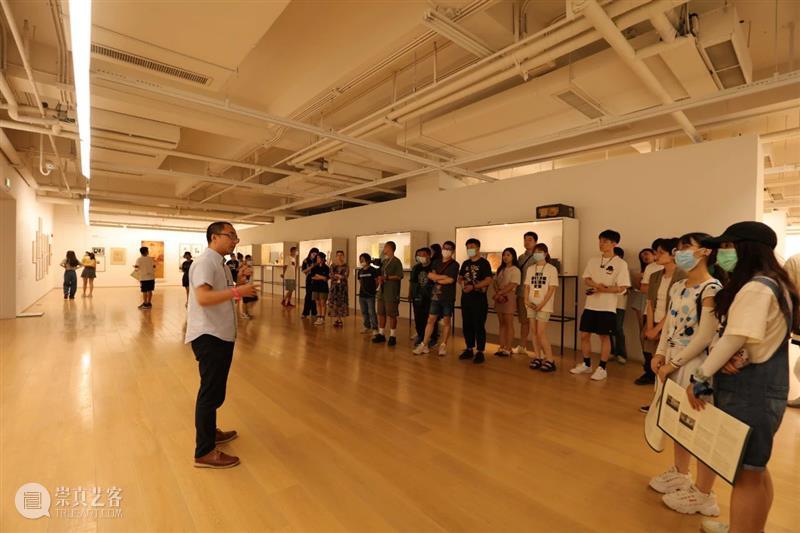
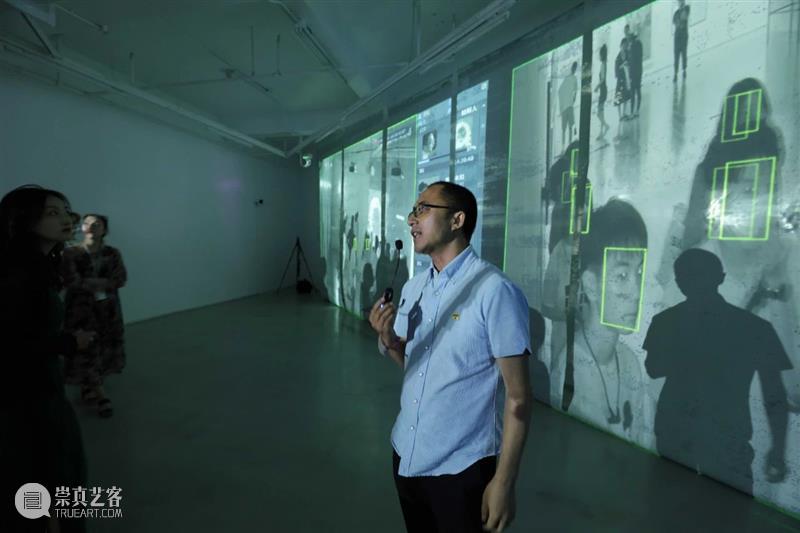
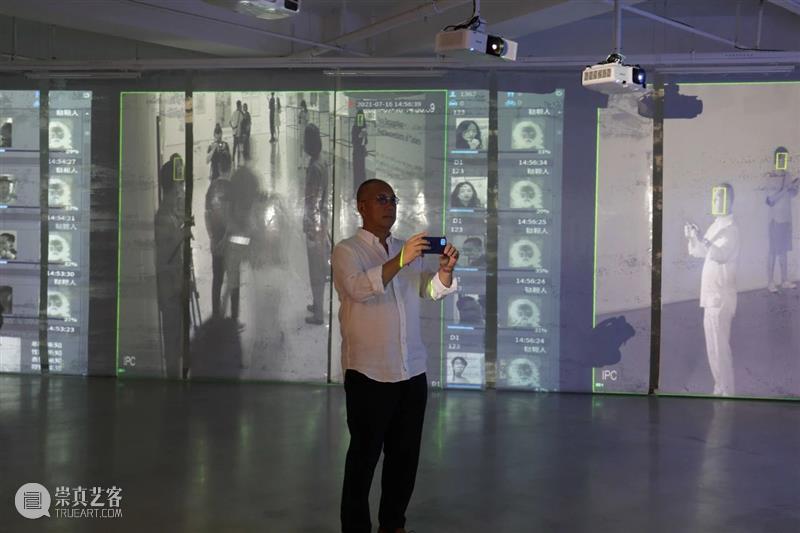

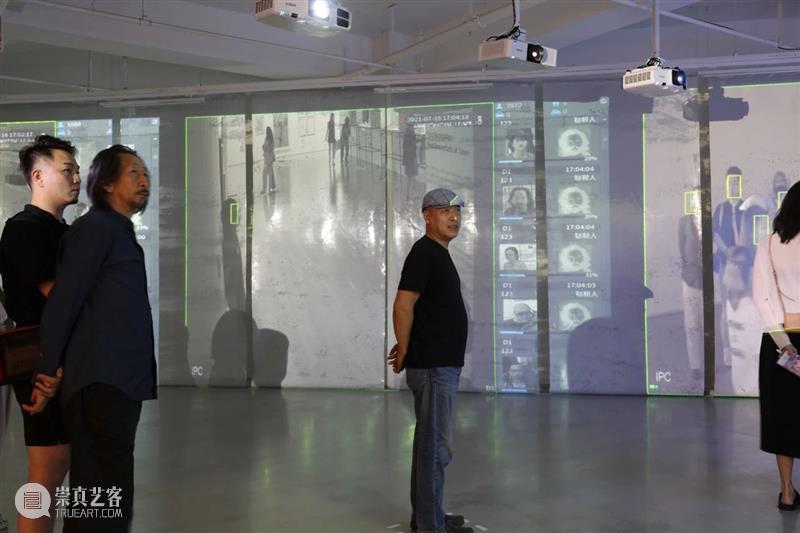
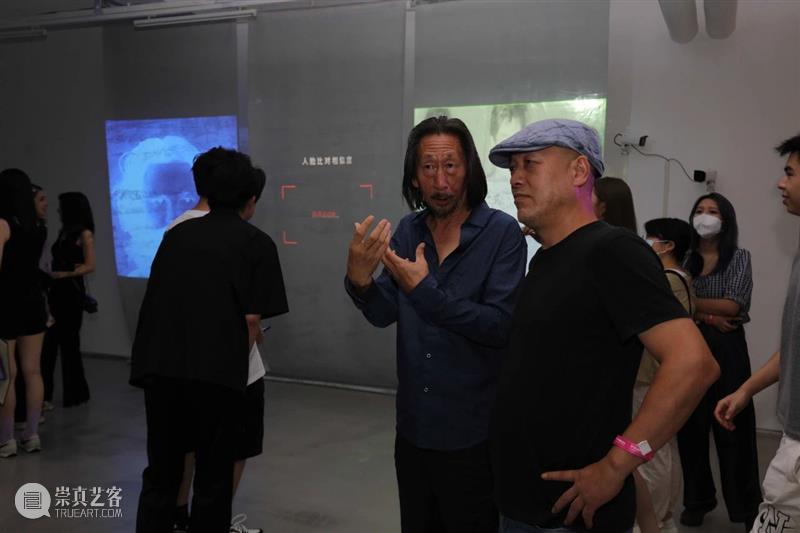
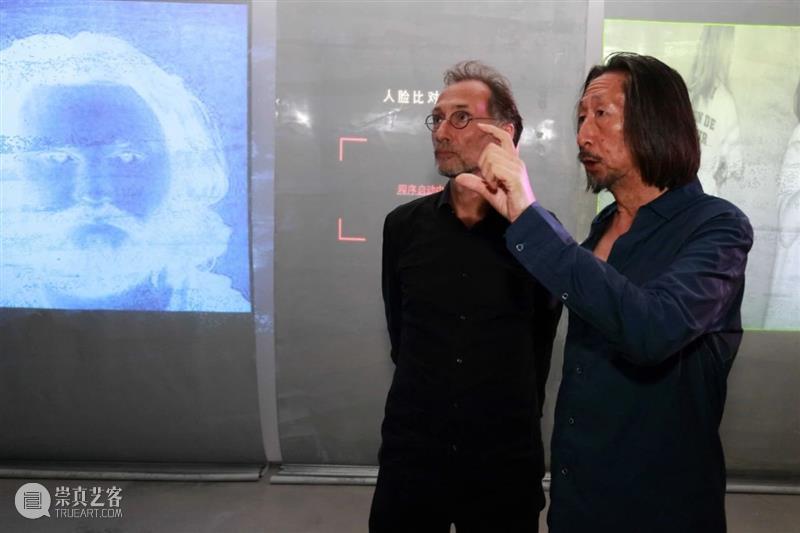
我与博伊斯 · 王广义:“人脸识别 - 寻找鞑靼人后裔”导览现场,2021,©️昊美术馆,摄影:陈峰
关于《人脸识别——寻找鞑靼人后裔》
博伊斯在描述自己的经历时曾说:在二战期间由于飞机坠毁而流落在某一个荒原上,是一个鞑靼人救了他的生命,“复活”之后博伊斯的艺术创作发生了巨大的转变……对博伊斯而言鞑靼人是他的拯救者。
博伊斯所描述的这种经历的真实性我们没有实证的必要,但这个故事对于博伊斯的“自我人设”确具有神学的价值。这种具有神学性质的人设传统可以追溯到16世纪文艺复兴时期瓦萨里传记风格的史学之中。
那么鞑靼人的存在意味着什么?在人类学研究和分类中鞑靼人种的形成极其复杂、千枝纷呈,但是在博伊斯眼里,这个特定的鞑靼人是一种寓言性的存在,他是原始的,与现代文明有一种天然的距离感,同时他又具有“先知”的性质。他与“萨满”教又有一种扯不清的关联。这也正像当代艺术所具有的“整体迷乱”的特征相关。
那么在今日我们寻找鞑靼人后裔,是为了恢复一种萨满——神学——政治——艺术的链条么?又或者是一种游戏?在这种以艺术的名义、用游戏的方式考察个体生命对于“人脸识别”这一在高科技包装之下的权力面前的心理感受。“人脸识别”本质上是国家理性的泛化。作为个体生命,是否进入“人脸识别”的场域是可以自由选择的么?
明日开幕论坛
展览开幕当天,昊美术馆将在二楼展厅将举行开幕论坛,邀请寒碧、孙周兴、严善錞、杜曦云(策展人)、王广义(艺术家)这五位嘉宾,共同探讨“大数据时代的鞑靼人在哪里?”这一话题。
论坛已设同步直播
扫描二维码即可进入


直播支持:在艺

Me & Beuys · Wang Guangyi
Duration:2021/07/17 - 2021/10/17
Artist:Wang Guangyi
Curator : Du Xiyun
Venue:Special Project Space, F2, HOW Art Museum (Shanghai)
Organizer: HOW Art Museum
More info🔗:HOW 新展预告 | 我与博伊斯·王广义:人脸识别 - 寻找鞑靼人后裔
"Face Recognition - Find Descendants of Tatars", 2021
©️HOW Art Museum, Film/ edit: 栗子
About Face Recognition
– Find Descendants of Tatars
Wang Guangyi
When describing the incident in Crimea, Beuys said his plane crashed on the Crimean Peninsula during WWII, and it was a Tatar who saved his life. This experience of "rebirth" made a profoundly dramatic impact upon his artistic practice. To Beuys, the Tatars were literally his life-savers.
I don't think it's necessary to verify the authenticity of the incident Beuys described. Nevertheless, this story was indeed of theological value to Beuys' "self-built persona". The tradition of building persona with theological nature dated back to Vasari's writing of history through a series of biographies, which came to the fore during Renaissance period in the 16th century.
What does the presence of Tatars mean? According to anthropological studies and categorization, Tatars is an umbrella term for a variety of different ethnic groups bearing the name of "Tatar". But in Beuys' view, this specific Tatar represented a fable-like presence. On the one hand, he was primitive. It was more than natural that there was a distance between the presence of him and modern civilization. And on the other, he was like a "prophet" who was intricately related to Shaman. In a way, such complexities mirror the "overwhelming bemusement" embedded in contemporary art.
Trying to find descendants of Tatars, do we intend to restore the linkages between Shaman, theology, politics and art? Or is it some kind of game? Essentially speaking, it is a test of how individuals would feel and react when confronting "face recognition", a power structure under the disguise of hi-tech, in the name of art and through the form of game. "Face recognition" in nature epitomizes the generalization of national reason. As individuals, do we have the freedom to choose whether to enter the field of "face recognition" or not?
March 18, 2021
About forum🔗:
For live entrance
please scan the QR code below
Live support:在艺
ABOUT ARTIST
Wang Guangyi
Wang Guangyi. Born in Harbin, China (1957). Graduated from China Academy of Fine Arts (formerly the Zhejiang Academy of Fine Arts), Hangzhou, China (1984). Currently live and work in Beijing.
In 1980s, he attended and organized North Art Group, in 1990s, he create Great Criticism series which have wide influence in international art world. Selected group exhibition: China Avant-garde (1989), 45th Venice Biennale(1993), 22ed Sao Paulo Art Biennial (1994), Aperto 95, Avant-gardes Artistiques Xinesses in Santa Monica Center d’Art (1995), Begegnungen mit China in Ludwig Forum Fur International Kunst (1996), Magie der Zahl-In der Kunst des 20 Jahrhunderts in Staatsgalerie (1997), Alors, La Chine? in Pompidou Art Center, China, the Body Everywhere? In MAC Marseille (2004), Reshaping History in China International Exhibition Center (2010), Art Changsha in Hunan (2015) , BUSAN BIENNALE (2016), “Art and China after 1989: Theater of the World”, in Solomon R Guggenheim Museum, New York/Bilbao, US; Solo Exhibition in: OCT-Contemporary Art Terminal (China, 2008), Louise Blouin Institute of Louise Blouin Foundation (The U.K, 2008), Today Art Museum(China, 2012), Museo di Villa Rufolo (Italy, 2014), MAC contemporary Art Museum (Spain, 2015), Museum of Contemporary Art (Singapore, 2016), Museum of Luxun Academic of Fine Arts (China, 2016), United Art Museum (China, 2016), Prague City Gallery (Czech, 2018), XUNWAY Art Space (Tongji University,China,2019, National Gallery of Armenia (Yerevan, Armenia, 2019), etc.
Works are collected by Tate Museum, UK. Guggenheim Museum, USA.; Museum Sammlung Essl, Vienna; Kunst Der Gegenwart, Austria; Carmen Thssen-Bomemisza Collection, Spain; Museum Ludwig Koln, Germany; Haus der Geschichte der Bundesrepublik Deutschland ,Germany; Sigapore Contemporay Art Foundation, Singapore; Foundation Catier pour L’art Contemporain, France; The Ford Foundation, USA.; San Francisco Museum of Modern Art, USA.; Gortesia Pacific Asia Museum, USA.; Allen Memorial Art MuseumUSA.; Armenia National Museum, Armenia; Nusantara Mordern and Contemporary Art Museum, Indonesia; M plus museum(Hong Kong), He Xiangning Art Museum(Shenzhen), Guangdong Museum of Art(Guangzhou), Minsheng Art Museum(Beijing), Shenzhen Art Museum(Shenzhen), Today Art Museum(Beijing), He Art Museum(Shunde), Chengdu MOCA, Long Musuem(Shanghai), China Academy of Art(Hangzhou), OCT-Contemporary Art Terminal(Shenzhen) , Taikang Art Museum(Beijing), United Art Museum(Wuhan), Song Art Museum(Beijing), Hubei Museum of Art(Wuhan), Star Museum(Shanghai), Yuz Art Museum China(Shanghai), etc.
ABOUT CURATOR
Du Xiyun
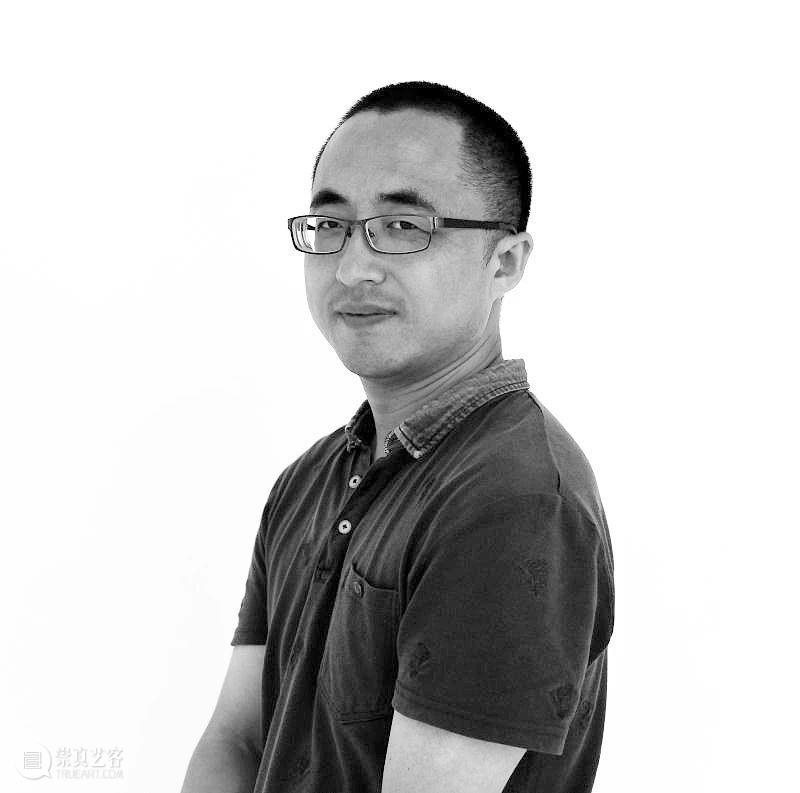
Curator, Born in 1978. He received his bachelor's degree in oil painting from the school of fine arts in 2000 and his master's degree in fine arts history from Sichuan Academy of Fine Arts in 2006. He was deputy director of HOW Art Museum, deputy director of Shanghai Himalayas Museum.
His artistic views have been published in various magazines and publications, and he used to work as the chief editor of ARTTIME. He has been involved in organizing and planning several exhibitions and projects, most recently: (2021)Wuhan·Zhao Bandi's Hut, Wuhan Art Museum, Wuhan; (2021)Me&Beuys·Yin Xiuzhen:Braking, HOW Art Museum, Shanghai; (2020)Me&Beuys·Zhao Bandi's Hut - A Noah's Ark in the Post-Pandemic Era, HOW Art Museum, Shanghai; (2020)Me&Beuys·Yang Zhenzhong, HOW Art Museum, Shanghai; (2020)Co-constructing, Jinji Lake Art Museum, Suzhou; (2019)Me&Beuys·Zhou Xiaohu, HOW Art Museum, Shanghai; (2018)Muntadas: Asia Protocols, Three Shadows Photography Art Centre, Beijing; (2017)The future is here: Musical frenzy from Madrid to Beijing, Instituto Cervantes of Beijing; Today’s Yesterday: The 1st Anren Biennale, Anren; (2016)Historicode: Scarcity&Supply/ The 3rd Nanjing International Art Festival, Baijia Lake Museum, Nanjing; BEIJING 798 GENESIS(2002-2006), Museum of Song Zhuang, Beijing.
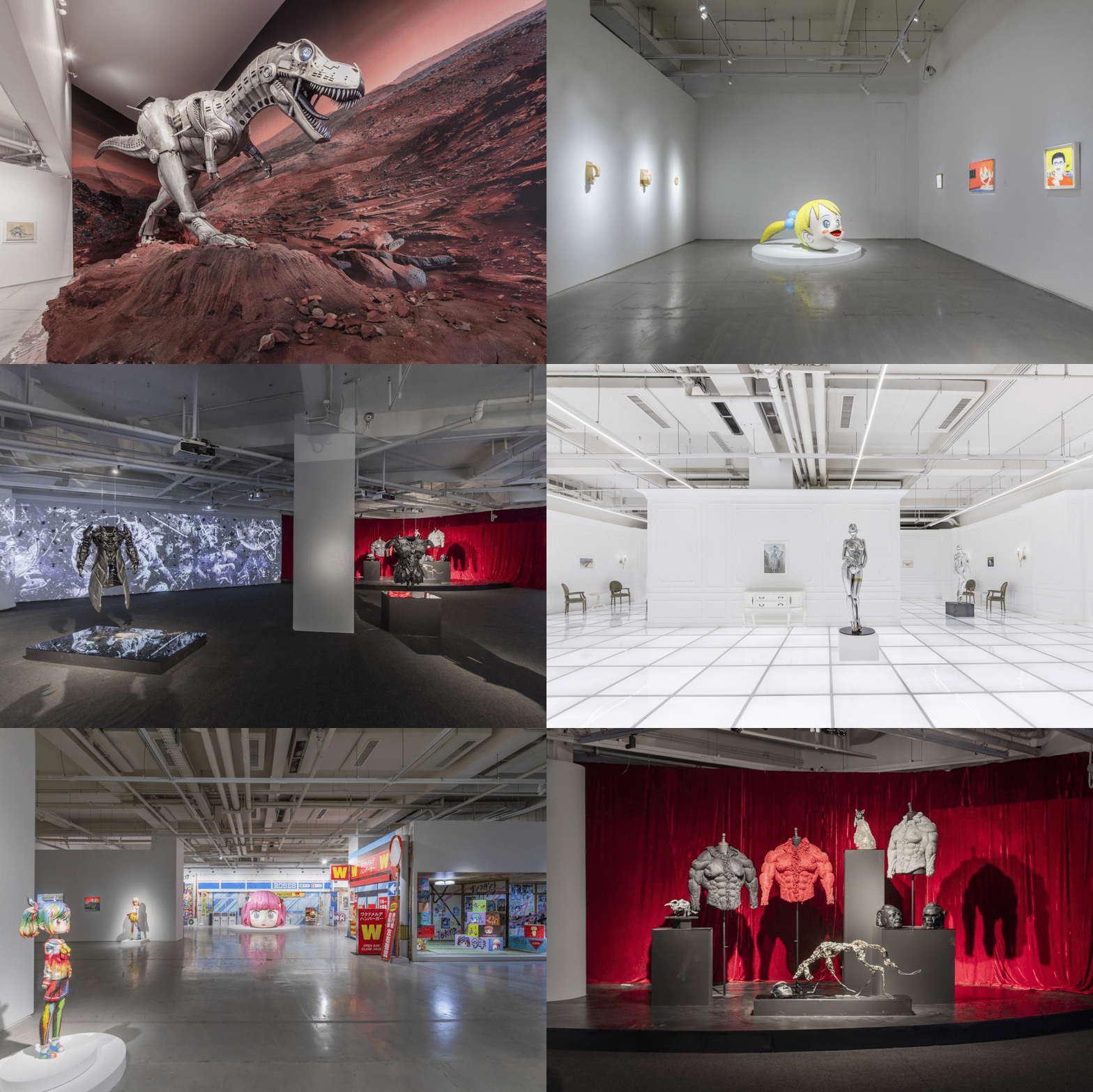
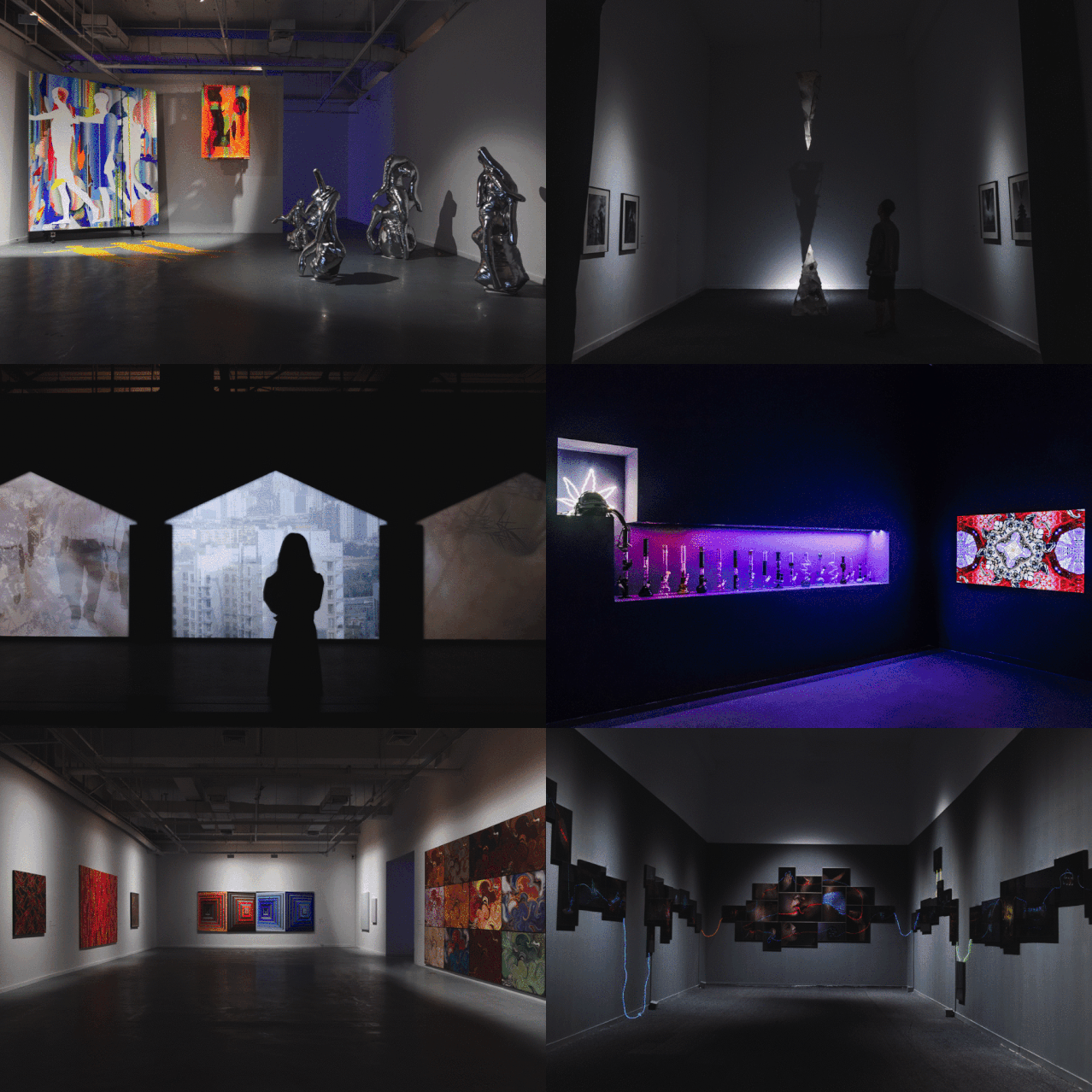 图片©昊美术馆

📌暗号:进群

详情链接:
如果你感兴趣
请扫描下方二维码进行报名

符合条件者我们会尽快通知
期待见到你


 {{newsData.good_count}}

 {{newsData.transfer_count}}


 {{item.good_count}}k
已展示全部
{{item.publisher_name}} 发布了 文章
{{item.title}}
更多功能等你开启...


 分享
分享