
MGG现场|香特尔 · 阿克曼的影像装置探讨边境、隔绝及他者


来自另一边
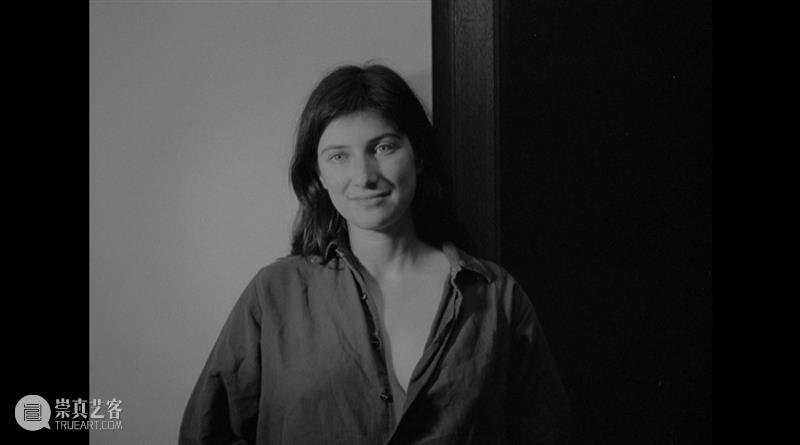
香塔尔 · 阿克曼 /《我你他她》,1974(静态图)/ 35毫米影片,90分钟,黑白
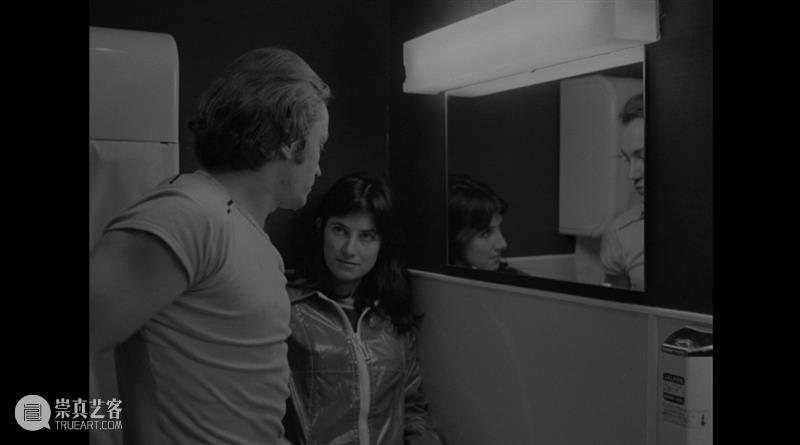
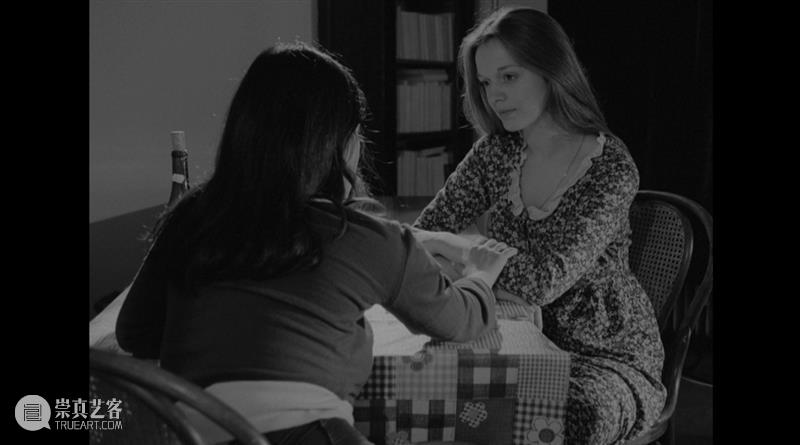
香塔尔 · 阿克曼 /《我你他她》,1974(静态图)/ 35毫米影片,90分钟,黑白
Collections CINEMATEK - © Chantal Akerman Foundation
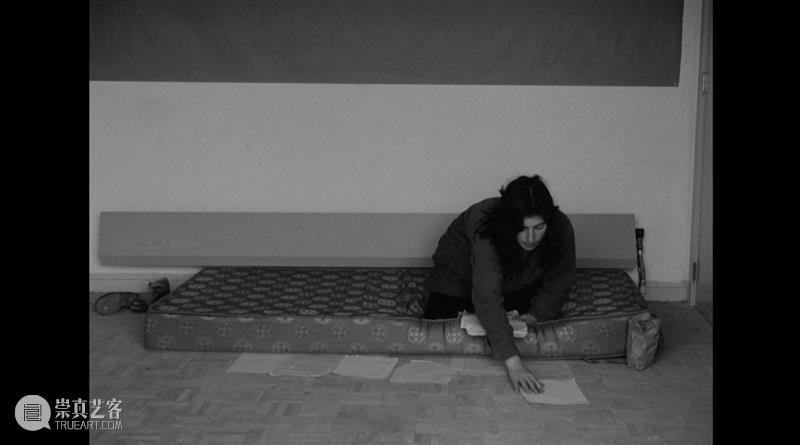
香塔尔 · 阿克曼 /《我你他她》,1974(静态图)/ 35毫米影片,90分钟,黑白
Collections CINEMATEK - © Chantal Akerman Foundation
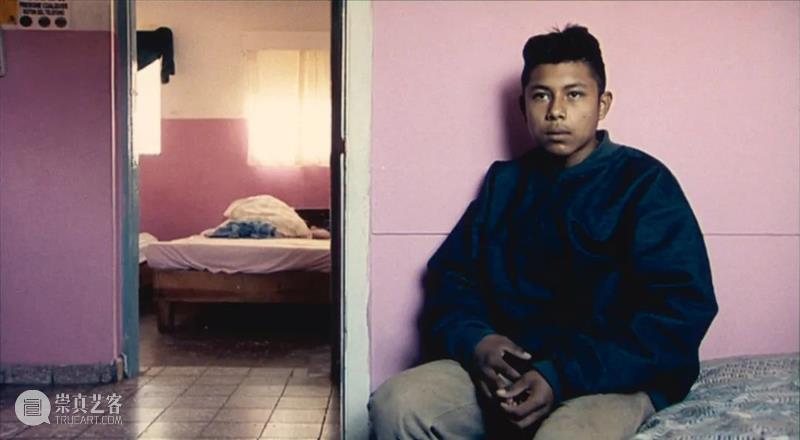
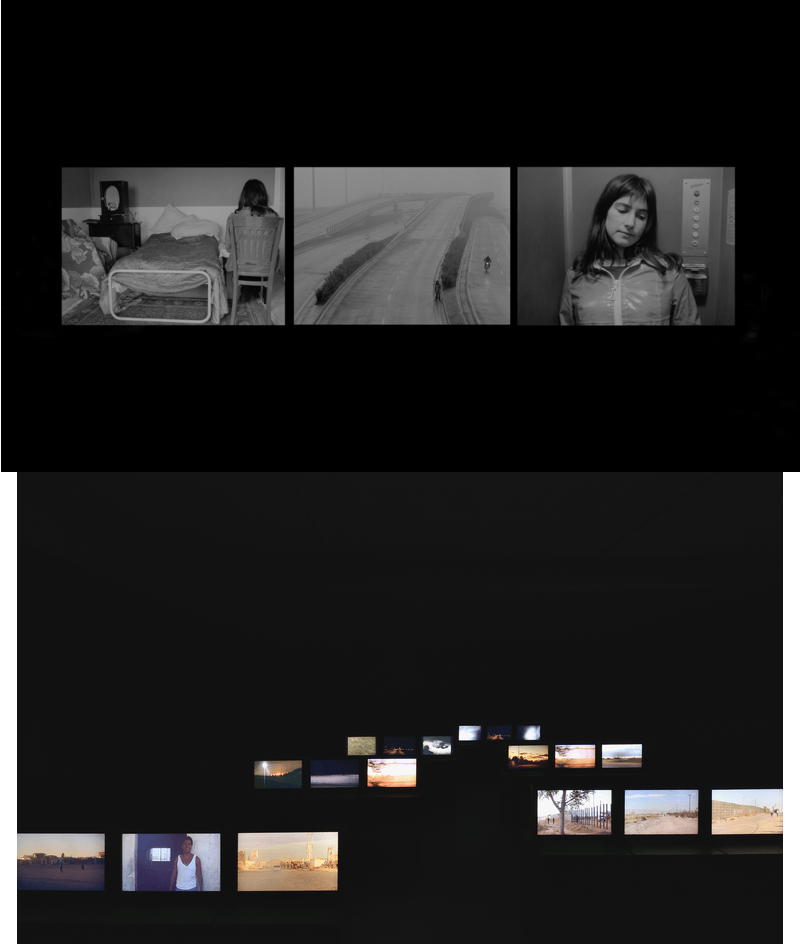
香塔尔 · 阿克曼 /《来自另一边》,2002(静态图)/ 影像装置,三部分(1个屏幕+18个屏幕+1个投影仪),彩色,有声,屏幕播放10分29秒(循环播放),投影52分钟(循环播放)
导演:香塔尔 · 阿克曼
影像及声音剪辑:克莱尔 · 阿瑟顿
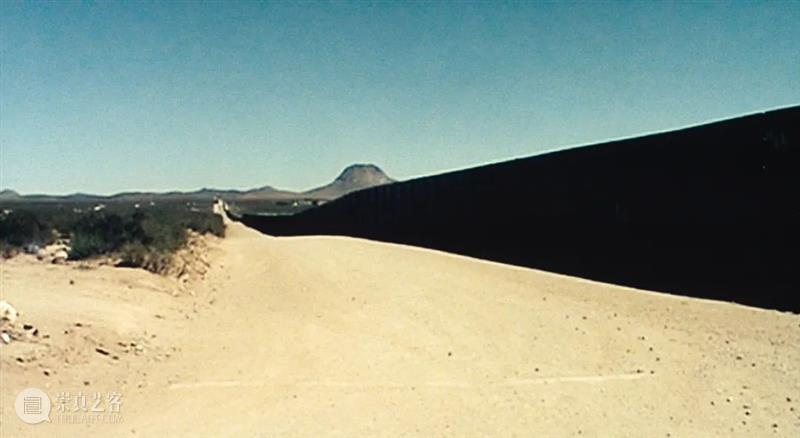
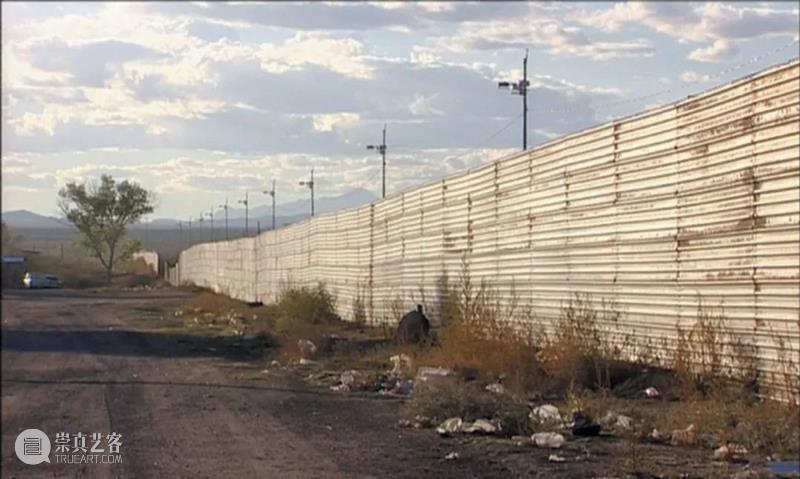
香塔尔 · 阿克曼 /《来自另一边》,2002(静态图)/ 影像装置,三部分(1个屏幕+18个屏幕+1个投影仪),彩色,有声,屏幕播放10分29秒(循环播放),投影52分钟(循环播放)
导演:香塔尔 · 阿克曼
影像及声音剪辑:克莱尔 · 阿瑟顿
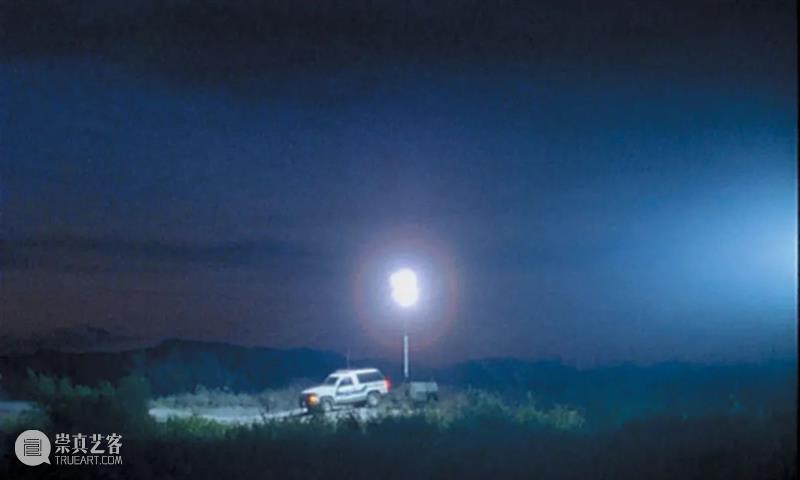
香塔尔 · 阿克曼 /《来自另一边》,2002(静态图)/ 影像装置,三部分(1个屏幕+18个屏幕+1个投影仪),彩色,有声,屏幕播放10分29秒(循环播放),投影52分钟(循环播放)
导演:香塔尔 · 阿克曼
影像及声音剪辑:克莱尔 · 阿瑟顿
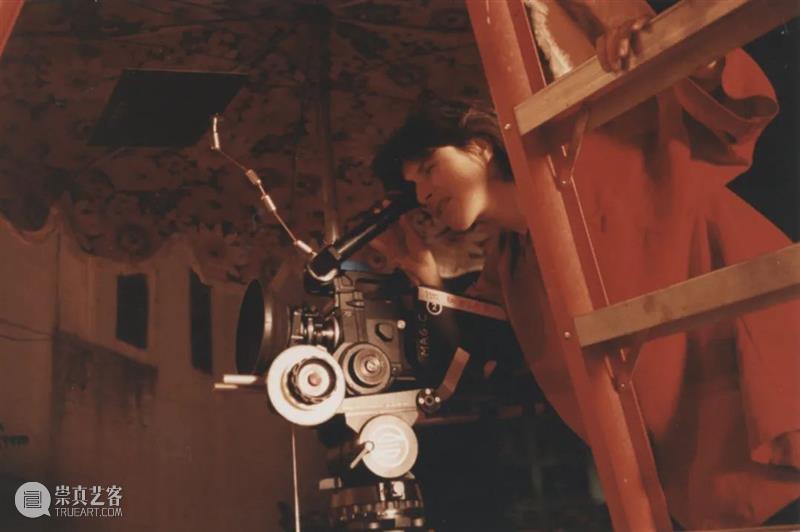
香塔尔 · 阿克曼
Collections CINEMATEK & Chantal Akerman Foundation
© 1976 Babette Mangolte (禁止复制)
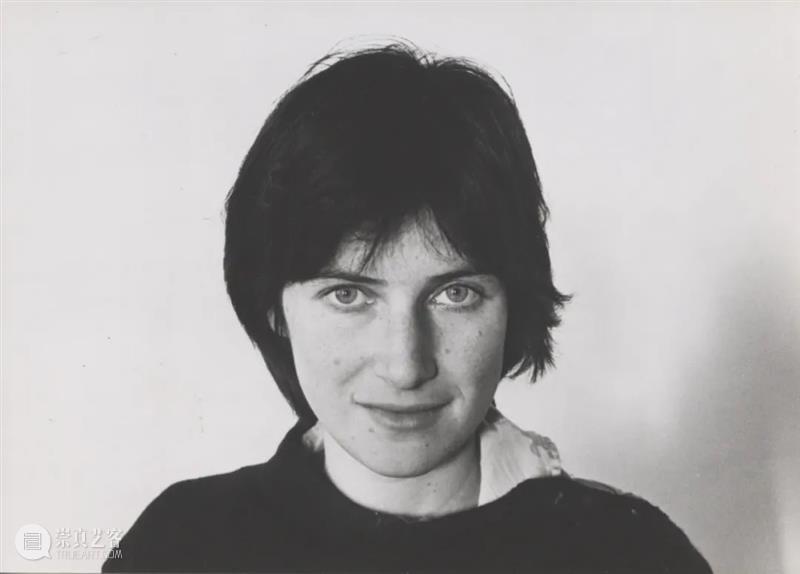
香塔尔 · 阿克曼
© 1976 Babette Mangolte
"Even though my work uses repetition and exhaustion, as a human being, I don't want to be in exhaustion. I need things to be new every time."
Chantal Akerman
Chantal Akerman
From the Other Side
Marian Goodman Gallery Paris
9 December 2021 - 5 February 2021
Marian Goodman Gallery Paris is pleased to present an exhibition by Chantal Akerman, a filmmaker who is considered one of the most important European directors of her generation, which will feature two video installations: From the Other Side (2002) and Je tu il elle, l'installation (2007). Each work is centered on the fundamental themes that inhabit Akerman's cinema: frontiers, isolation and otherness. Like almost all of her installations, the two works are linked to films made for the screen, De l'Autre Côté and Je tu il elle, which will be screened at Luminor - Hôtel de Ville Cinema in conjunction with the exhibition.
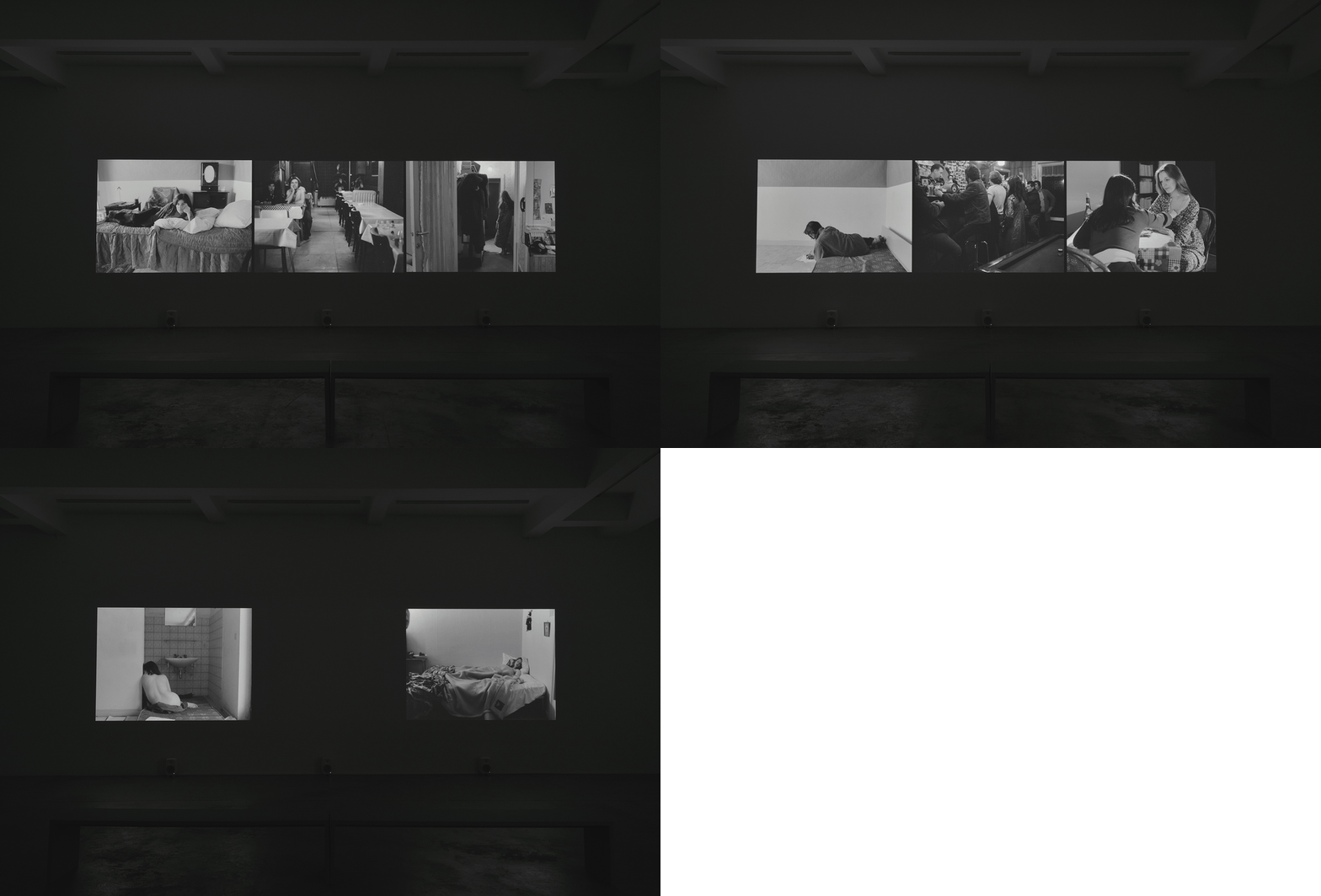
Presented on the ground floor, Je tu il elle, l’installation makes its major exhibition debut in the Paris space. It was created in 2007 from her first feature film Je tu il elle (1974). Told in three parts, the film features three characters played by Claire Wauthion, Niels Arestrup and Chantal Akerman herself. Je (I) is played by 24 years-old Akerman as the main character, while tu (you) is the recipient of the letters she writes, il (he), a truck driver who confides in her about his relationships with women, and elle (she) is the young woman she meets at her home.
As in her first short film, Saute ma ville, Chantal Akerman illuminates the screen with her presence, with a persona that borders on the burlesque. The first part, in which she is a recluse in her home and repeats the same everyday gestures trapped in the domestic space, precedes and predicts the heroine of her emblematic film Jeanne Dielman, 23 quai du Commerce, 1080 Bruxelles, released one year later. The film is ahead of its time in its open expression about lesbian sexuality. Bold in its narration and in its form, the film affirms what will become her signature cinematic style: the employment of tracking shots, the precision in frontal framing, the use of voice-over, and above all her singular technique of extended sequence shots.
The transition from film to installation allowed Chantal Akerman to experiment with time in a different way, but also to explore the use of space. The editing of images and sounds have always been carried out under the close care of Claire Atherton, who has also accompanied her for a large number of her film editing. The discovery of this new creative process gave Akerman total freedom and allowed her to rediscover the innocence of her first films: "When I work with the material of installations, it's like shooting a documentary, you don't know where you're going to end up, you sculpt a material, it starts to organize itself, and suddenly the work is there, it arrives as if it were obvious. (...) " Thus, with Je tu il elle, l’installation, Akerman delivers her revision of a fiction realized more than thirty years before, by
rearticulating the images into three projections. The simultaneous juxtaposition of the three parts of the film deconstructs the temporal linearity of the narrative and creates new resonances in the space.
On the lower level of the gallery, From the Other Side (2002), like the documentary De l'Autre Côté made the same year and presented out of competition at the Cannes Film Festival, focuses on the plight of Mexican migrants seeking to cross the border into the United States, who were deported against their will by American authorities to a mountainous desert region in Arizona."It's a story as old as the hills, yet every day it becomes more relevant. And every day more terrible. There are poor people who, at the risk of their lives, sometimes have to leave everything to try to survive, to live elsewhere. But elsewhere they are not wanted. And if they are wanted, it is for their labor power. Work that we ourselves no longer want.”
—Synopsis, De l'Autre Côté, 2001, Archives Fondation Chantal Akerman
Touched by their plight and their personal stories, Akerman personally collected their testimonies, before, subsequently traveling to the Sonoran Desert and progressively passing to "the other side" where she continued her interviews with border patrol officers and the local community. The installation, like the documentary, testifies to Akerman's incredulous view of the tragedy unfolding before her eyes – and ours, making her, by extension, the voice of a nation in exodus.
Chantal Akerman (1950-2015) is a Belgian filmmaker, artist and writer who lived in Paris for a long time. She made her first short film Saute ma ville at the age of 18. After several years spent in New York in the underground and experimental film scene, Akerman directed her first feature film, Je tu il elle, in 1974. Her rich and multifaceted filmography includes nearly fifty films, both short and feature. Among her most important fiction films are Jeanne Dielman, 23, Quai du Commerce, 1080 Brussels (1975), the comedies Golden Eighties (1986) and Un divan à New York (1995), the literary adaptations La Captive (1999) and La Folie Almayer (2013). She is also the author of several documentaries such as the trilogy including D'Est (1993), Sud (1999), De l'Autre Côté (2002). No Home Movie (2015), her last film, was completed just before her death. Since 2014, a large number of retrospectives dedicated to her cinema have been organized in many countries, including at the Cinémathèque française in 2018.
From 1995 to 2015, Chantal Akerman created about twenty video installations, presented during her lifetime in many international museums such as the Jeu de Paume, the MNAM - Centre Pompidou in Paris, the Walker Art Center in Minneapolis, the SFMOMA in San Francisco or the Kunstmuseum Wolfsburg in Germany. Chantal Akerman participated in Documenta XI in Kassel in 2002, in 2010 at the 29th Sao Paulo Biennale and in 2011 at the 49th Venice Biennale with her latest large-scale installation NOW. In recent years his artistic work has been the subject of important solo exhibitions: in 2020 at the Eye Filmmuseum in Amsterdam, in 2019 at the Museum of Contemporary Art (MOCA) in Toronto, in 2018 at Oi Futuro in Rio de Janeiro, in 2015 at Ambika P3 Gallery, University of Westminster in London. Her installations are in the collections of the Centre national des Arts Plastiques (CNAP) in Paris, the Jewish Museum in New York, or the Museu d'Art Contemporani de Barcelona (MACBA). Chantal Akerman is also a writer and the author of several books including Hall de Nuit (1992), Une famille à Bruxelles (1998), Ma mère rit (2013).
9 DECEMBER 2021 - 5 FEBRUARY 2022
79 rue du Temple
75003 Paris
T 33-1-48-04-7052
paris@mariangoodman.com
NIELE TORONI
12 NOVEMBER 2021 - 11 JANUARY 2022
T 212-977-7160
newyork@mariangoodman.com
Monday - Saturday, 10 am – 6 pm

 {{newsData.good_count}}

 {{newsData.transfer_count}}


 {{item.good_count}}k
已展示全部
{{item.publisher_name}} 发布了 文章
{{item.title}}
更多功能等你开启...


 分享
分享