The Library of Babel
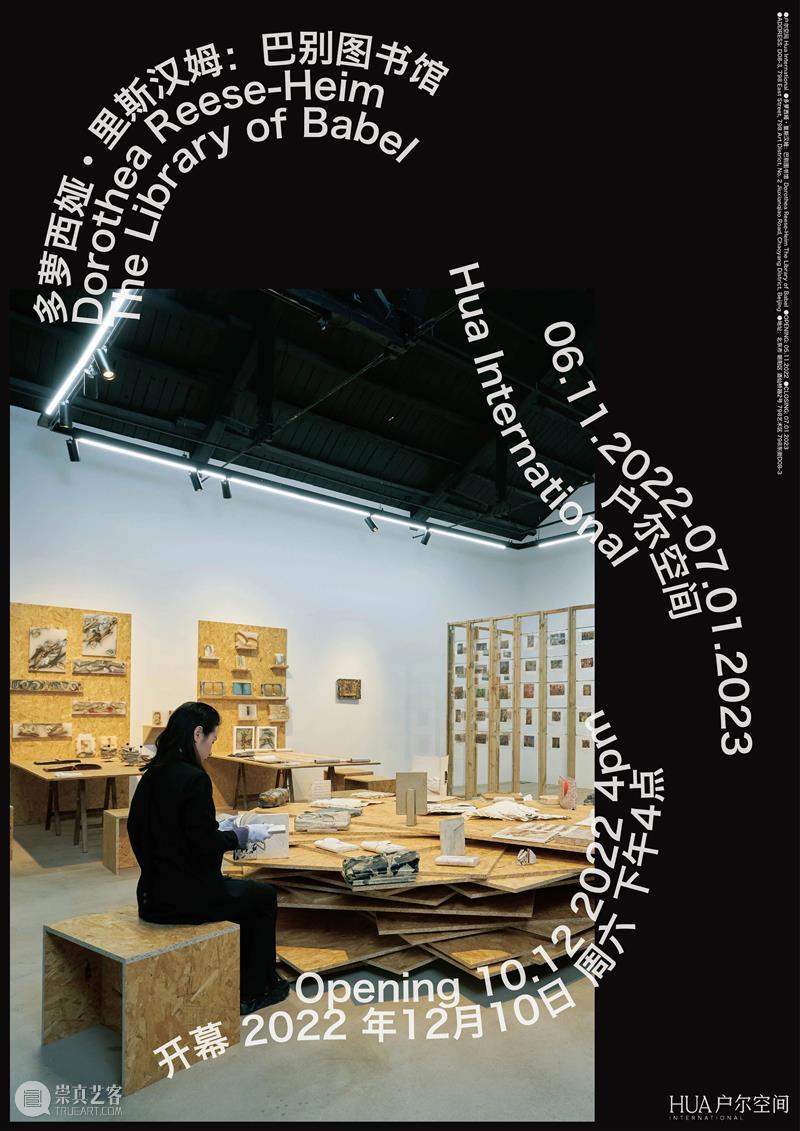
多萝西娅·里斯-汉姆
Dorothea Reese-Heim
展期 Duration
2022.11.06 - 2023.01.07
开幕 Opening
2022.12.10
16 : 00
地址 Location
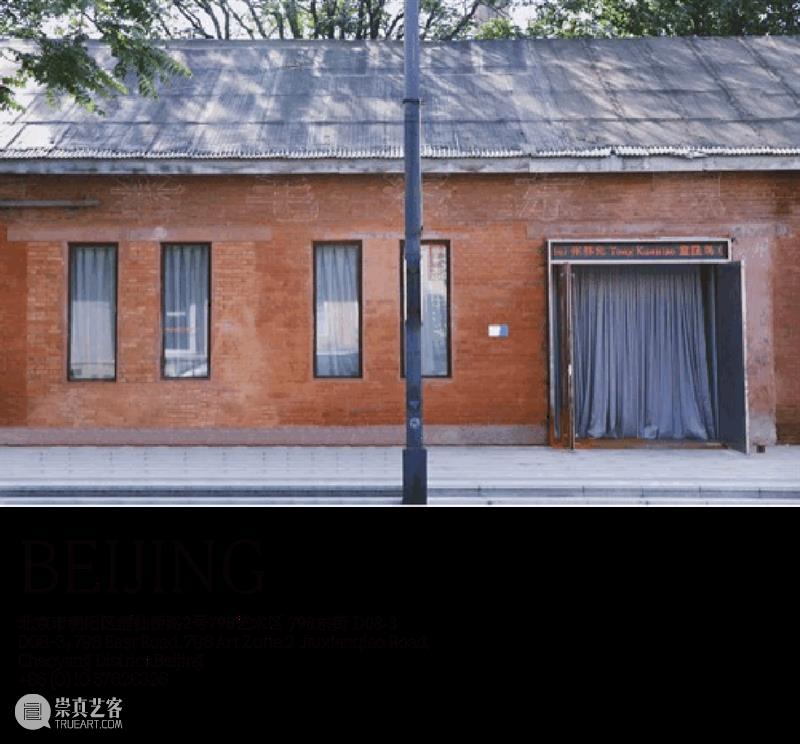
户尔空间 北京市朝阳区酒仙桥路2号798艺术区东街 D08-3
Hua International Beijing D08-3, 798East Street, 798Art District, No.2 Jiuxianqiao Road, Chaoyang District, Beijing
多萝西娅·里斯-汉姆 Dorothea Reese-Heim
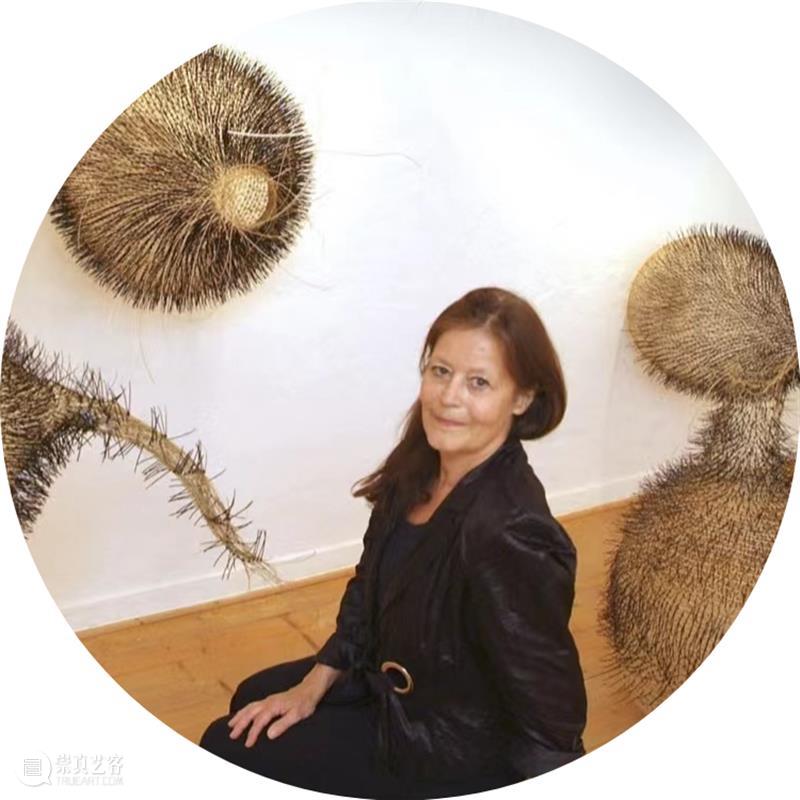
巴别图书馆 The Library of Babel, 202德国艺术家多萝西娅·里斯-汉姆于1943年出生于德国辛德芬根市,自20世纪70年代以来一直是纤维与材料跨学科艺术创作的先驱女性艺术家。作为第一代后极简主义艺术家之一,她为差异创造了空间,摆脱了极简主义中对于种族与性别限制在白人男性的固有印象。与其他70年代的后极简主义艺术家一起,里斯-汉姆将女权主义带入她的实践中,拒绝极简主义中的男性普遍主义,尽管女权主义在这十年间兴起,但70年代的女性艺术家仍然相对较少,尤其是在德国。里斯-汉姆很早就在由男性艺术家主导的传统美术馆环境之外寻找空间,这使她的实践在早期打开了艺术的激进可能性,将纺织作品放置在建筑外墙和非传统意义上展览内部空间等区域。German artist Dorothea Reese-Heim was born in 1943 in the city of Sindelfingen and has been since the 1970’s a pioneer female artist working at the interdisciplinary junction of fiber and materials. She is among the first generation of post-minimalist artists who made space for difference away from the default of minimalism which was racially white and male. Along with other post-minimalists in the 1970s Reese-Heim brought feminism into her practice like her American counterparts that included important women artists (such as Lynda Benglis, Hannah Wilke, and Jackie Winsor) who rejected Minimalism’s masculinist universalisms. Despite the emergence of feminism during the decade, there remained relatively few working female artists in the 1970s, especially in Germany. Reese-Heim early on sought spaces outside of the traditional museum setting that was dominated by male artists and this allowed her practice to open up the radical possibility of art in the early day, placing textile works in areas like building entrances and unexpected interiors.
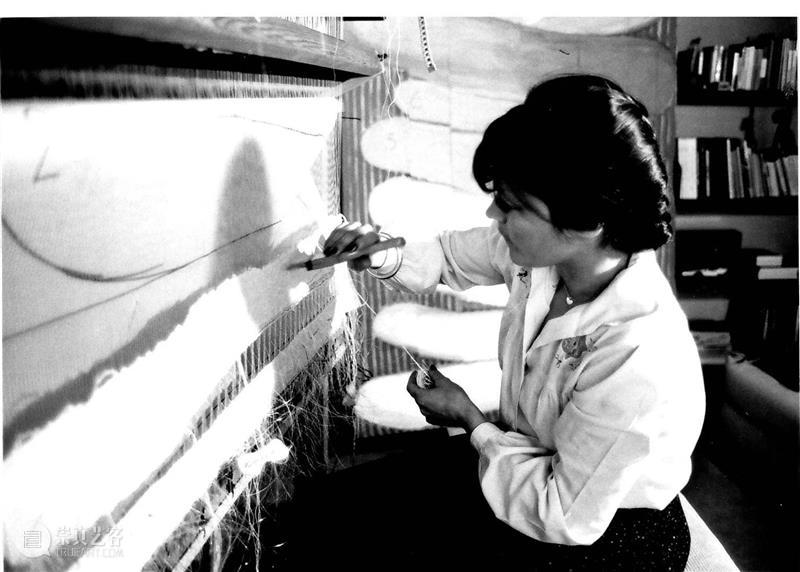 多萝西娅·里斯-汉姆 Dorothea Reese-Heim
她的艺术实践跨越了德国历史上的重建时期(1945年后),作为战后艺术运动的一部分,她试图将纺织结构、雕塑、装置、行动和工艺纳入艺术创作。里斯-汉姆致力于专业艺术创作和教学,同时始终将目光放在艺术对于恢复和重建社区的作用。对于里斯-汉姆来说,艺术教学与新材料研究与艺术的融合是至关重要的活动,既能维持她的生活,鼓励公众讨论,也有助于在纳粹独裁的恐怖统治之后建立德国的社会民主结构。
Her artistic practice has spanned the period of German reconstruction (after 1945) and she has been part of post-war art movements that sought to incorporate textile construction, sculpture, installation, action, and craft into art-making. She has maintained a lifelong commitment to professional art-making and teaching while always considering art's role to restore and rebuild communities. For Reese-Heim, teaching art and the study of new materials becoming incorporated into art are vital activities that both sustain her life, encourage public discourse, and help to establish the very fabric of the social democracy of German after the reign of terror of the Nazi dictatorship.
多萝西娅·里斯-汉姆 Dorothea Reese-Heim
巴别图书馆 The Library of Babel, 2022
在纳粹德国时期,里斯-汉姆的父母是小城辛德芬根的工人,这座城市曾在战争期间提供了重要的纺织品与石油生产。1944年,当里斯-汉姆还是个婴儿时,二战中的盟军在"石油战役"中轰炸了她的家乡,目标是摧毁纳粹的炼油厂。她在一个不到一万人的小镇上长大,这些人大部分在当地的汽车或纺织厂工作,这样的社会景观塑造了她作为一个艺术家的艺术发展,使得她对大规模生产感兴趣。对里斯-汉姆的童年来说,一个重要的历史时间点是IBM接管了一家纺织厂(Hollerith),将纺织厂的打孔卡技术转化为最早的计算机,通过这种方式,里斯-汉姆见证了新德国的经济奇迹和战后世界数字化裹挟而来的非理性化。
Reese-Heim was born to parents who worked as laborers in Nazi Germany in Sindelfingen a town that supplied vital textile and oil production during the war. When she was an infant in 1944 the Allied forces in World War 2 bombed her home town in the so-called “oil campaigned” which targeted Nazi oil refineries. She grew up in a town of fewer than 10,000 people who mostly worked in automotive or textile factories this landscape shaped her development as an artist who was already interested in mass production a theme taken from the minimalist that came before her. An important historic touchpoint for her childhood was the takeover by IBM of a textile factory (Hollerith) in transforming the punched card technology from the weaving mills into the earliest computers. In this way, she witnessed simultaneously the economic miracle of a new Germany and the democratization due to a new digitization of the post-War world.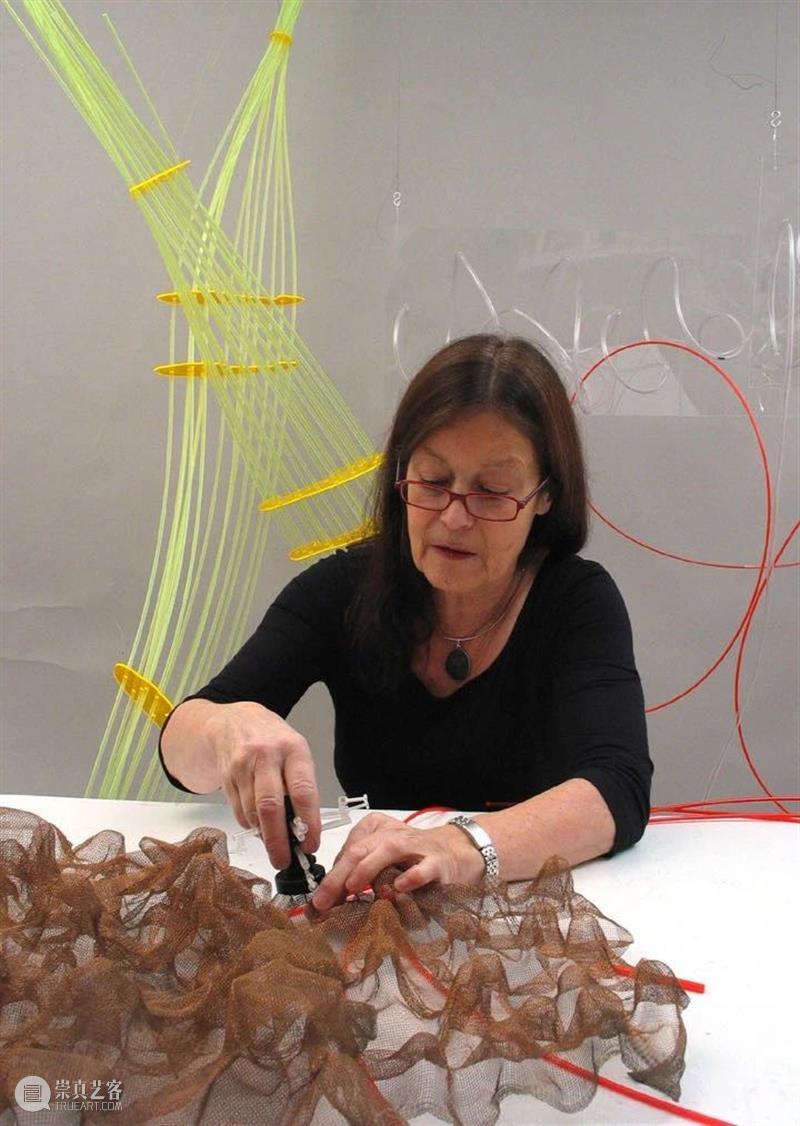
多萝西娅·里斯-汉姆 Dorothea Reese-Heim作为战后第一批进入卡尔斯鲁厄与慕尼黑美术学院学习的女学生之一,里斯-汉姆于1972年毕业。在这里,她学习了编织工艺,同时也对纺织相关的历史产生兴趣。其中重要的历史关联之一是具有传奇色彩的包豪斯(Staatliches Bauhaus),它是1900年以来最重要的艺术学校之一,其著名的艺术实践方法便是试图将设计与大规模生产和个人艺术视野统一起来。She was among the first female students post-war to study at the Academies of Fine Arts in Karlsruhe and Munich and she graduated in 1972. Here she learned weaving processes but also became interested in the interlinking histories of textile production. One of these important histories was the memories of the legendary Staatliches Bauhaus, among the most important art schools since 1900, whose famous approach attempted to unify design on one hand and mass production with the individual artistic vision on the other.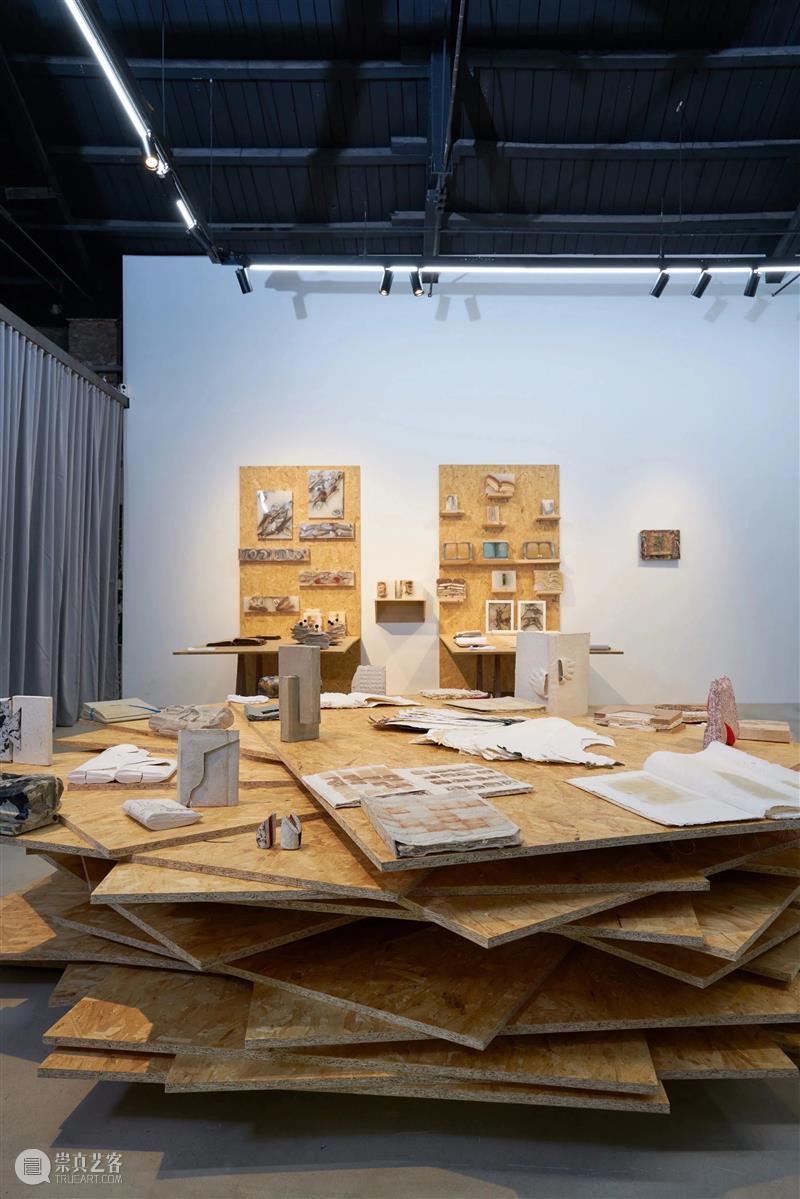
多萝西娅·里斯-汉姆 Dorothea Reese-Heim
巴别图书馆 The Library of Babel, 2022
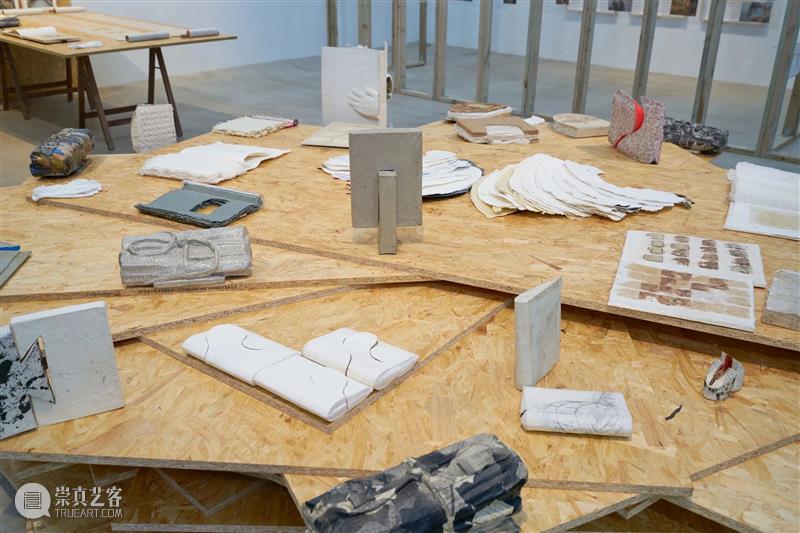
里斯-汉姆的整个创作生涯中都在延续这种将包括纤维、塑料、金属、石蜡以及经常是书籍本身的材料研究带入艺术视野的做法。通过将液体石蜡倒入书籍,保留液体材料的不可操控性使得其与书籍本身不同的元素主题相结合而带来不可计数的变化,挑战德国对于书籍的历史特有地位;这些保存在石蜡中的书籍显示了她对于极简主义和普遍几何学的蔑视。最为重要的是,她的作品带有一种坚定接受错误的态度,在制作石蜡作品时,里斯-汉姆放弃了对完美形式的控制。这些石蜡书作品与制造记忆的文化和个人经历密切相关。艺术家从不掩饰她制作的自然姿态,清楚地说明了浇灌与切割的创作过程。里斯-汉姆赋予了石蜡独特的物质性媒介,使得其成为了身体参与的证据。Reese-Heim has continued with the practice of bringing material studies, including fiber, plastics, metal wiring, paraffin, and often books themselves into a vision for art throughout her life. The books preserved in paraffin speak of her defying the rectilinear shape of a block which is associated with minimalism and universal geometry by challenging the shape within the particularity of the history of German books, the chance operations of how the liquid paraffin acts when poured, and combined with the elements, themes, and variation of the edges or fronts of the book and those sections of the books. Most importantly she brings to her work a determined acceptance of errors letting go of the control of making her paraffin works and abandoning the idea of perfect form. These paraffin book works relate closely to the cultural and personal process of memory-making. She also makes clear the process of pouring and cutting itself never hiding the natural gesture of her production. She gives paraffin a material agency which is evidenced with bodily engagement.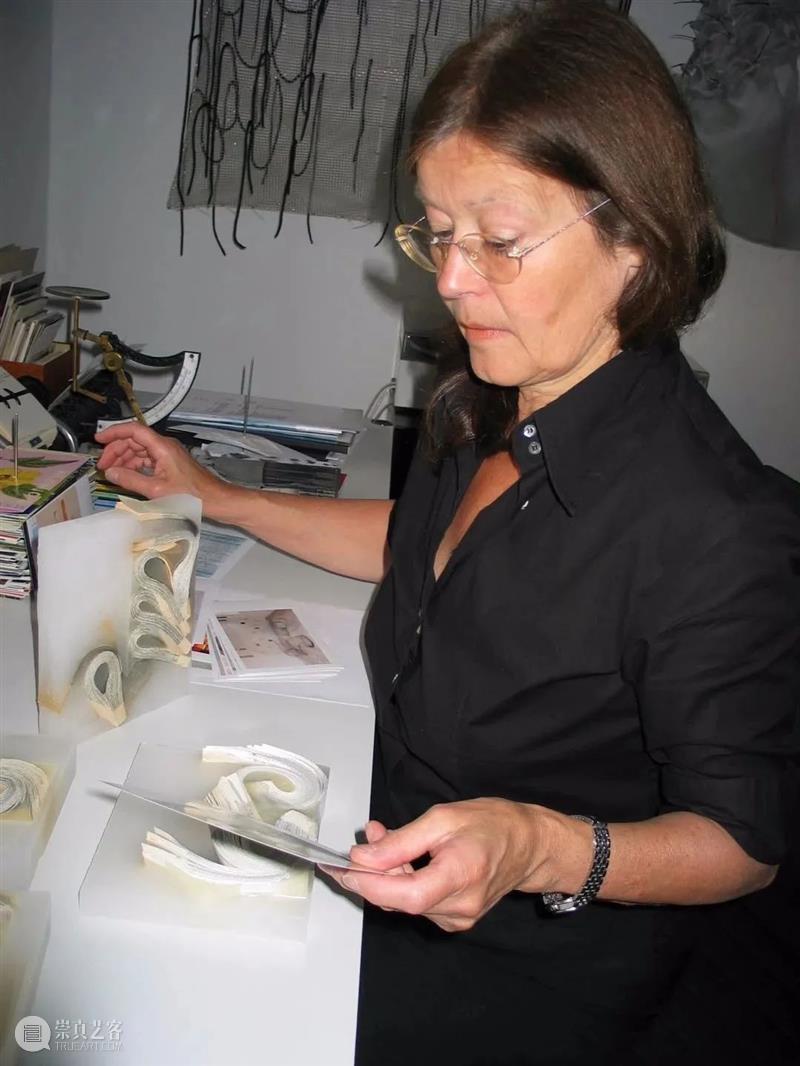
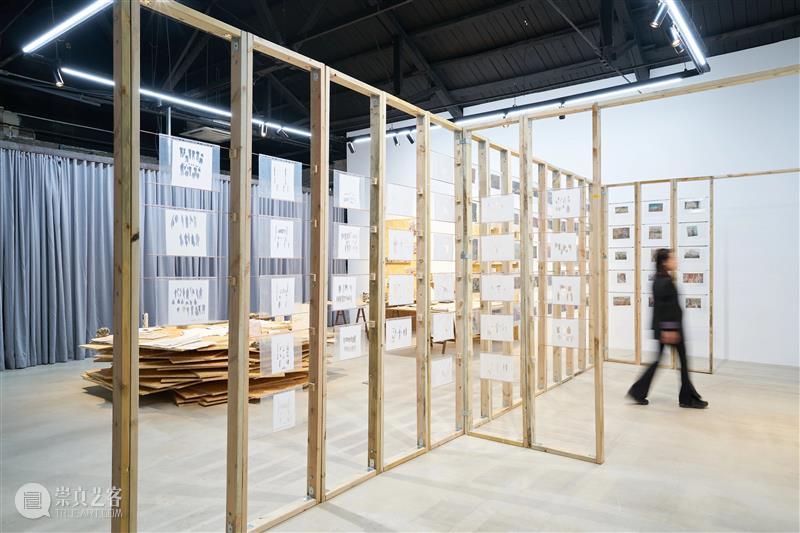
多萝西娅·里斯-汉姆 Dorothea Reese-Heim自1983年以来,里斯-汉姆在帕德伯恩大学任教,该大学位于德国南部,德国与法国制造业的接口仍然是灵感的汇聚来源。她继续推动材料研究作为一种社会学习过程,她的作品邀请观众对材料进行新的阅读,也作为文化记忆的储存库,经常包括那些注定要被丢弃的书籍,而她对于书籍的创作保留也是为了防止遗忘与消逝。
Since 1983 she has been teaching as a professor at the University of Paderborn which is also in the south of Germany where the interface of German and French manufacturing remains a convergent source of inspiration. She continues to promote material studies as a social process of learning her work invites the viewer to new kinds of reading of materials and also acts as a repository for cultural memories. Her work often includes books that are destined to be discarded which she preserves against the act of forgetting. 多萝西娅·里斯-汉姆 Dorothea Reese-Heim巴别图书馆 The Library of Babel, 2022
关于艺术家
多萝西娅·里斯-汉姆
Dorothea Reese-Heim
b.1943, Sindelfingen, lives and works in Munich
她自1983 年起任教于帕德博恩大学,并自2006 年起担任文化研究学院副院长。里斯汉姆曾在德国与世界各地举办展览,包括在丹麦、日本等地的博物馆与机构展览。她曾获得许多奖项,包括“德意志联邦共和国功绩勋章”。
Since 2006, Reese-Heim has served as vice dean of the faculty of cultural studies at the University of Paderborn, where she has taught since 1983. Reese-Heim has exhibited internationally, throughout Germany, and has had various museum\institutional shows in Denmark, and Japan. She has received numerous awards including the ‘Verdienstorden der Bundesrepublik Deutschland.
关于户尔空间
About Hua International
户尔空间(Hua International)是一家位于柏林与北京两地的当代艺术画廊,展览、出版和公共项目致力于跨学科及行为表演的艺术实践。画廊专注于发展与艺术家长期动态的合作关系,以其地理上的两地性为依托,扩展艺术家及其作品在迥异文化背景下的展览和接受。
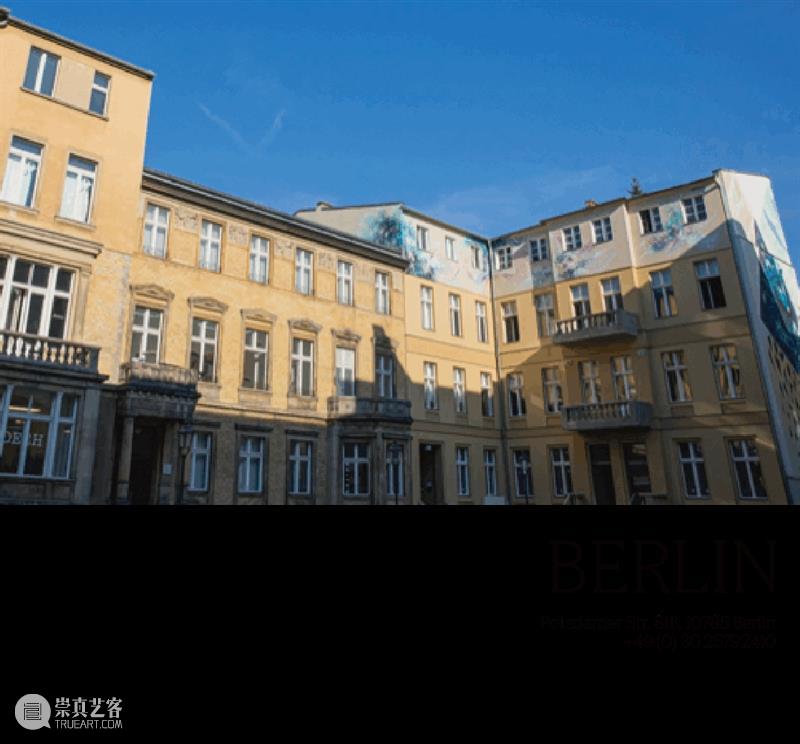
以 XC.Hua 为名,经历了两年实验艺术策展项目运营积累后,花笑婵于2020年8月正式更名成立了户尔空间(Hua International),并在北京798艺术区、柏林历史悠久的当代艺术中心之一麦卡托庭院分别设立空间。在常驻两地空间之外,户尔空间也在国际知名的艺术博览会展示其艺术家作品。
Hua International is a contemporary art gallery located in Berlin and Beijing whose exhibitions, publications, and public programming supports cross-disciplinary and performative artistic practices. The gallery focuses on developing long-term relationships with its represented artists and leverages its geographic bilocation as a means to critically expand how their work can be presented and received in radically diverse cultural contexts.
After two years curating the experimental art and performance project XC.Hua, Xioachan Hua founded Hua International in August 2020 and inaugurated the new gallery with spaces in Berlin’s historic Mercator Höfe and Beijing’s acclaimed 798 Arts District.


 {{newsData.good_count}}

 {{newsData.transfer_count}}




 分享
分享