
HOW 神奇东方 | 郭建超: 江上越与书法
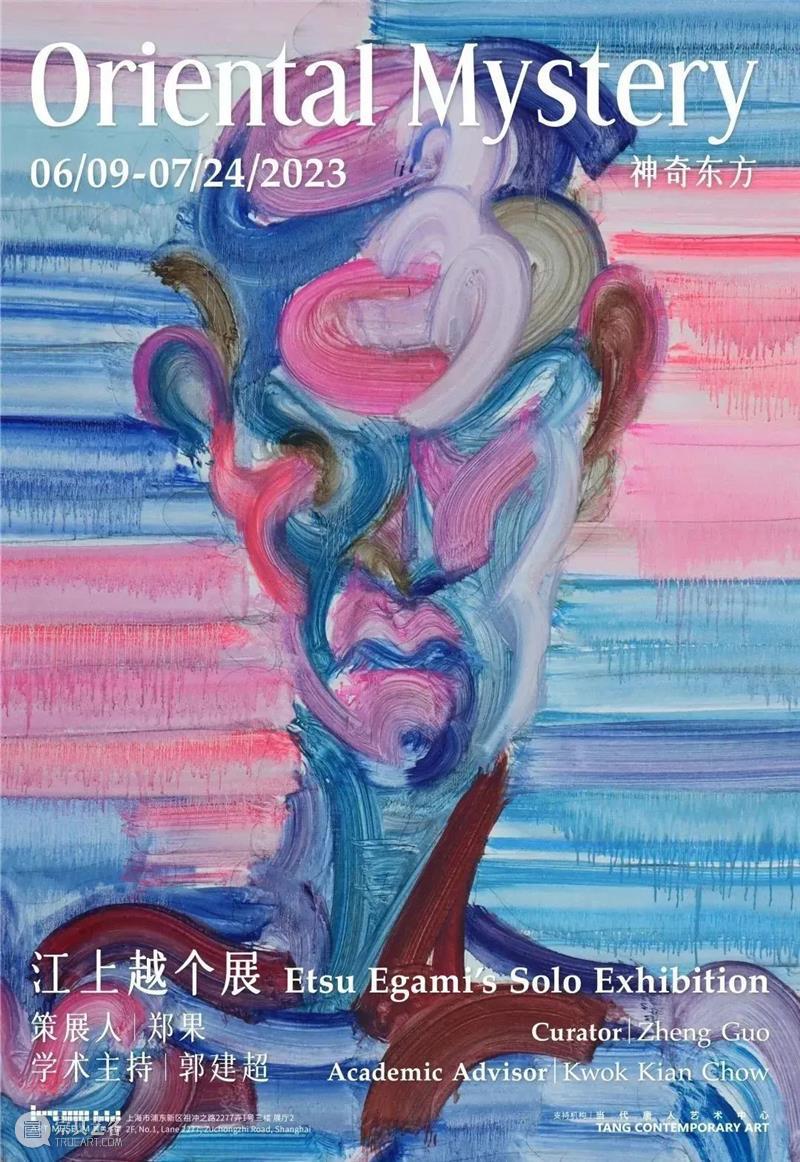
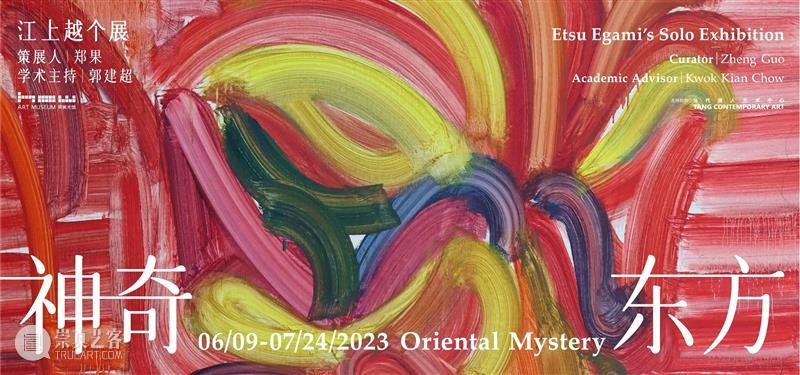
神奇东方—江上越个展
Oriental Mystery - Etsu Egami Solo Exhibition
展期:2023年06月09日-2023年07月24日
艺术家:江上越
策展人:郑果
学术主持:郭建超(新加坡国家美术馆前馆长)
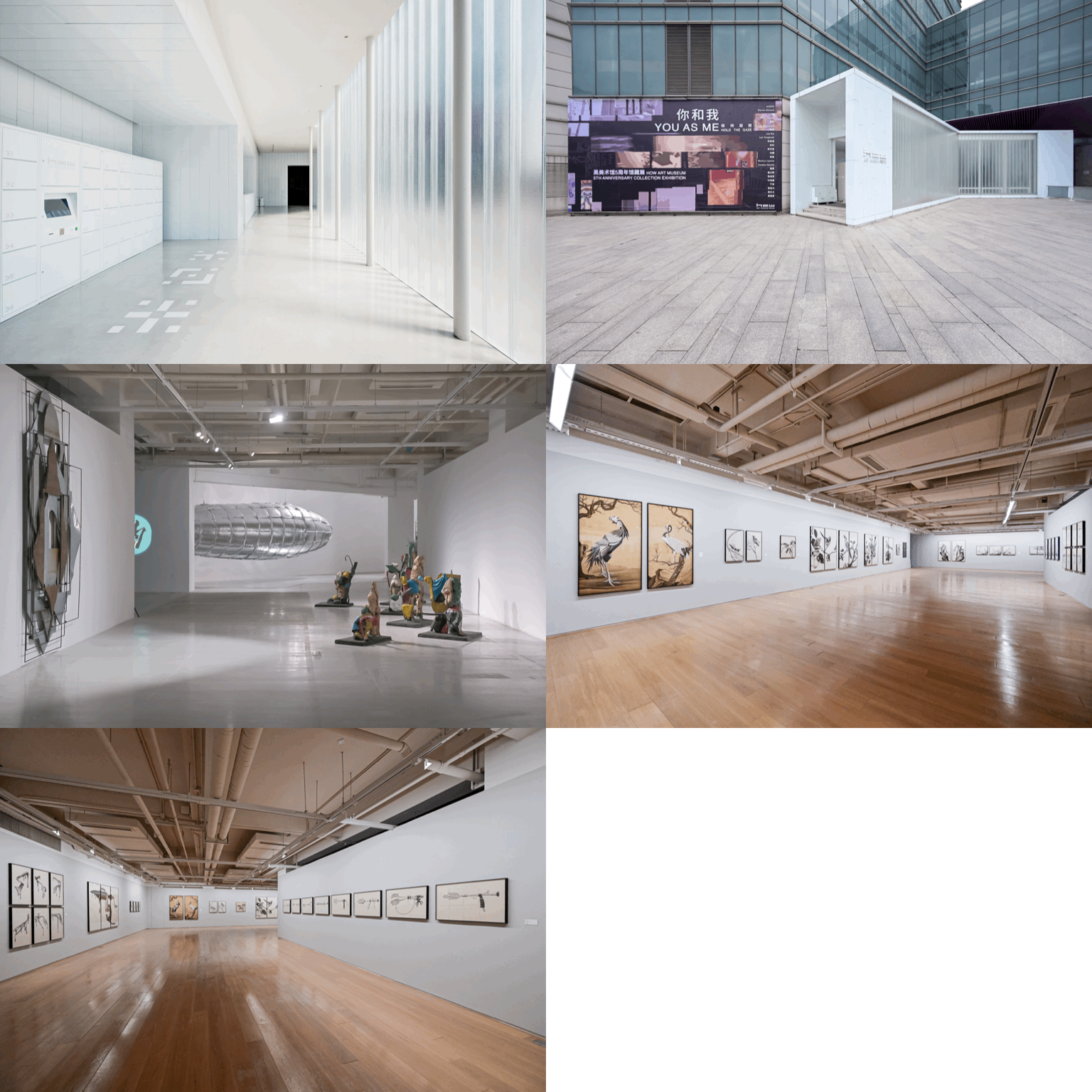
地址:昊美术馆三楼 展厅二
上海市浦东新区祖冲之路2277弄1号3楼
支持机构:当代唐人艺术中心
*Please scroll down for English version.
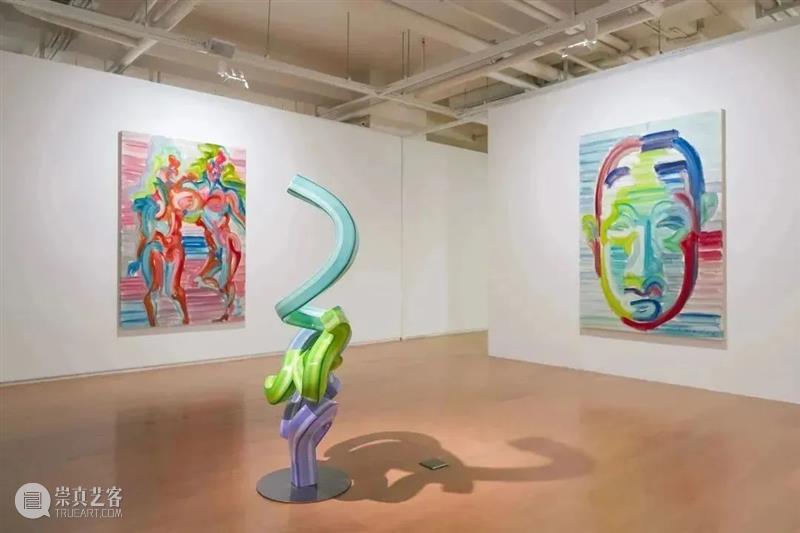
神奇东方—江上越个展现场
文 /郭建超(新加坡国家美术馆前馆长)
今年新加坡艺术周(2023.1.6-1.15)期间,江上越在占地1500平米的白石画廊新加坡新空间举办个展。新展题为《川流不息,然其水非原水。浮沫漂于积水,此消彼起,未可久存》,取自鸭长明(1153-1216)所著镰仓时代早期文学作品《方丈记》的开篇文字。[1]
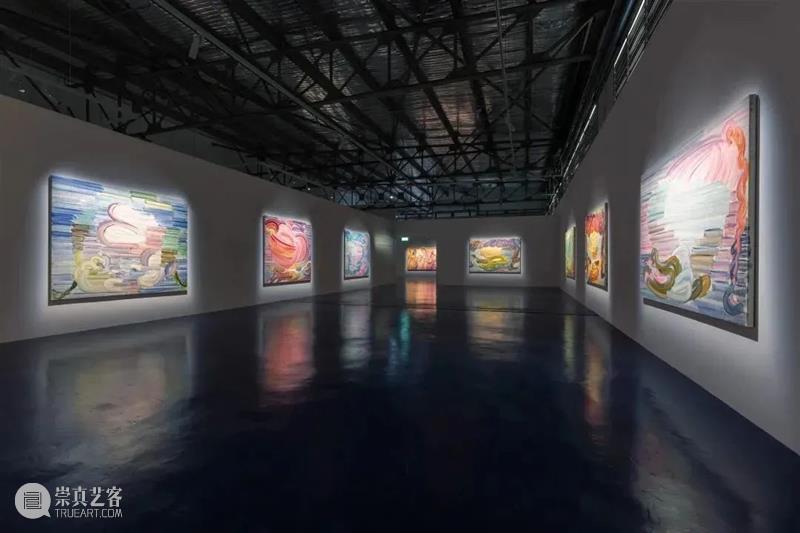
《江上越个展:川流不息,然其水非原水。浮沫漂于积水,此消彼起,未可久存》,白石画廊新加坡新空间,展览现场,图源白石画廊公众号
江上越引用这段指向人类精神与智慧的文字——水川流不息——在反复发生的物质和社会灾难与破坏之间静静流淌。这段文字正是隐居方丈庵中作者的写照。这种物理上受限而思想上无限的空间隐喻恰如江上越绘画作品所呈现的空间感。每一幅作品都诉说着什么,策展人、艺评人、有时甚至艺术家本人都曾指出并详述作品或作品系列所传达的想法、主题、环境和跨文化经验。但另一方面,当我徜徉于作品间赞叹不已时,任何从主题去体验作品的尝试都会成为一种束缚,让人反而无法更全面地感受与作品的邂逅。
后来我意识到鸭长明作品中的文字与方丈庵之间的讽刺意味——要达到隐士的境界,须以文字为思想、方丈为形,并通过与文学的邂逅超越这些框架。在后续的对话过程中,江上越提到了框架和类别的问题:“书法更像古典音乐,它有‘型’,但是如果你站在当代音乐的角度去看,那么古典音乐也是一种框架,其实这些框架都是你自己赋予给自己的。”[2]
我很好奇,江上越绘画表达的原点何在。作品既是她对自身文化经验、个人境遇和想法的反思,同时也蕴含着将这些不同平面进行分层或整合的某种“常量”。我想知道这个“常量”是否便是书法,并与艺术家展开了关于书法的探讨。
我们的对话构成了这篇为江上越新展所撰短文的基础,展览将于2023年6月9日在上海昊美术馆开幕。在写这篇文章的当下,我尚不清楚展览标题是否已经确定。我们可以感觉到,艺术家对常规展览标题的排斥。从她的新加坡个展标题便可见一斑:冗长的标题需要花大力气才能记住,更妄论破译。但你会在她的绘画中找到所有的答案。
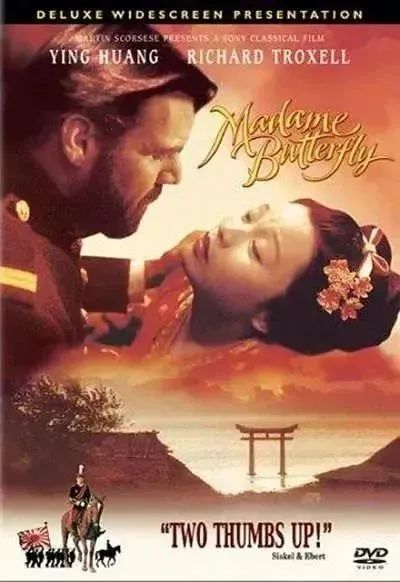
《蝴蝶夫人》电影版,1995(法国),海报图源豆瓣
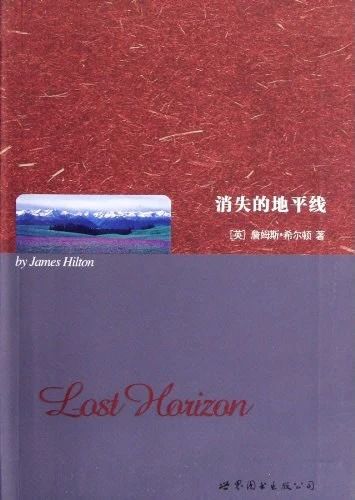
詹姆斯·希尔顿,《消失的地平线》,2012,世界图书出版公司,图源豆瓣
从贾科莫·普契尼的《蝴蝶夫人》(1907)、詹姆斯·希尔顿的《消失的地平线》(1933)、到西方文化产品中对东方主义的各种想象,尤其是对日本女性逆来顺受的刻板印象,这些都让江上越产生强烈的抗拒意识。正如《方丈记》的开篇,东方主义的层峦叠嶂意象不仅仅是一种西方现象,也体现在亚洲内部的自我东方化、相对东方化和情境东方化,这些都构成江上越反思和表达的重要主题。这便是我目前对展览主题和标题的理解。“其余皆历史”,正如人们常说的,复杂性与多重性将随着最初的线条脉络徐徐展开,历史被镌刻进展出的画作中。
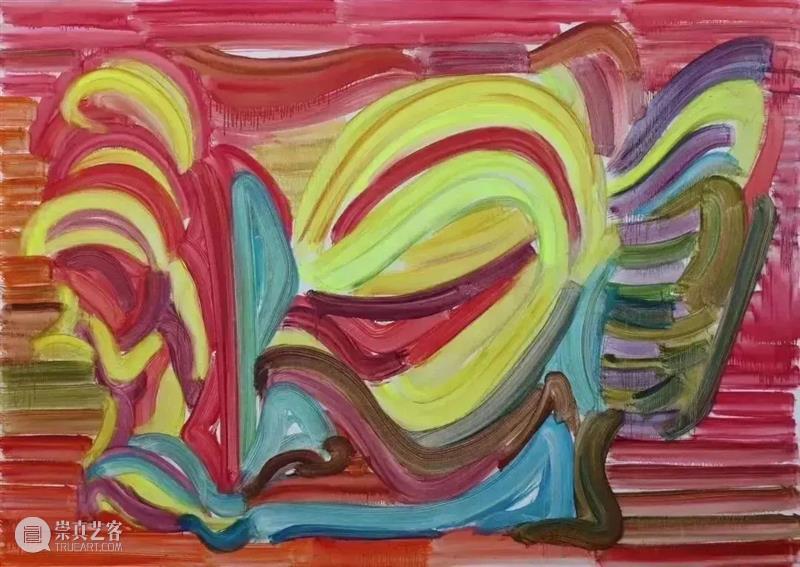
江上越,《三星堆系列》,280×197cm,布面油画,2022-2023
艺术家作品中经常出现面孔和人像造型,以各种形态交织互动,在笔触、层次和线条的勾勒下,仿佛幻化为灵动的色彩、乃至介于有形与无形之间的虚无。江上越学院背景深厚,拥有北京中央美术学院博士学位,对东方主义形式理论和美学层面的反思将她的视线引向21世纪初(亦是艺术家本人年少时期)风靡日本的香港武侠片中的视觉形象,以及图坦卡蒙黄金面具、三星堆人像和流行文化中“外星人”等形象。所有这些意象、想象、象征和符号纷纷交织在她的绘画之中,这不仅仅是探讨文化研究的学术作品,更是不同文化语境中的切身经验和反思。
她与书法的关系呢?江上越很幸运,拥有一位艺术家父亲(JY),以一种非传统又充满启发性的方式教授她书法。对于我提出的诸多关于日本书法表音与表意、平假名、片假名和汉字书法演绎的差异、语义和形式的关联等问题,江上越直接给出回答:书法首先是一种作为身体延伸的体验。
江上越回忆道:“我记得小时候父亲就教我书法,不是教我写字,而是让我用身体来感受笔锋在纸上的摩擦,像做游戏,挺好玩的。”[3] 她还会演奏钢琴和二胡,并将柔韧的琴弦与毛笔笔尖做类比。“与其说毛笔是一个媒介,还不如说是自己身体的延伸,”[4] 江上越以一种超越我关于语言学、语义学提问的方式进行了解释。这时我忽然意识到书法对于江上越的意义,得益于父亲的教授方法,书法之于她是一种具有艺术启迪的认识论。艺术界许多关于形式与内容、思想与图像、文字与书法的讨论,在江上越很小的时候便已“润物细无声”地融入了她的知识和表达体系。
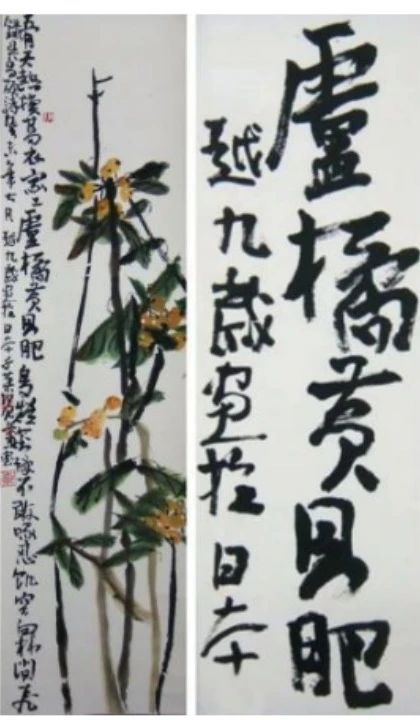
江上越从9岁便开始创作书法和水墨画。
融会贯通是动态的过程,其中包蕴着张力。对于江上越,正是通过书法来实现的:
毛笔是有弹性的,纸张下的毛毡也是有弹性的。学字时,手上的力量和心中的意念常常被吸收,被反抗,不能直接反映在纸上。这里需要手和毛笔对话,如何让笔锋铺开,又如何让笔锋收拢,如何让墨流顺畅,又如何让墨流苦涩。
这种对话和随时调节,形成了强烈的节奏感,像呼吸一样,充满了生命活力。我很喜欢谢赫“六法”中的“气韵生动”。线条的韵律记录了作者的运动,也记录了作者的呼吸。我常常觉得,用毛笔的时候我好像是在雕刻某一种东西,层层渐进带你进入另一个空间维度。[5]
与绘画一样,书法也有风格分类。书道中,假名书法家和汉字书法家分属不同流派,而根据“草”的程度不同又可分为楷行、行书、行草等。我可以想象,如此繁多的分类在年轻的江上越看来多么无谓又造作,因为她早已洞悉了“道”,或曰“书法之道”,也正因如此艺术家并未回答我关于语义和形式、意义和图像之间区分的问题。
“我父亲总是说要用全身去写,全身去感受。这里的全身已经包含了毛笔,毛笔就像身上的一个器官,是有知觉的。每一笔,每一个线条都是鲜活的,像呼吸一样,连续而有节奏,都有意义所在。是视觉语言,又是听觉语言”,江上越补充道。[6] 虽然中国美学一贯主张书画同源,但对江上越,这是一段切身的体验:“从小我都是同时进行的,书画一体,我在很多国家长大所以书法并不是一种规范内的存在。”[7]
除了作品中形式和意义的融合(且富有张力,如江上越所言),她的知识体系里还能窥见一层艺术史维度(如东方主义理论与生活经验的结合)。人们通常把她归为战后日本崛起的“第三代”艺术家。具体派、物派等战后第一代艺术家倾向于表现朴素的主题或东方哲学。第二代则以日本流行文化和亚文化的象征意味为特点,如漫画和御宅族。到了江上越这一代艺术家,他们摆脱了历史和文化的包袱,体现出全球视野,并关注与人类相关的普遍问题。这一代人也十分关注多元性和包容性,如女性和其他少数群体。[8] 江上越曾对彩虹有一段精妙的描述:“彩虹每一个颜色都很美丽,不融合,平行线,共存着,彩虹渐渐的成为了我的绘画语言。”[9]
颇有意思的是,江上越是在从事装置和多媒体创作之后,重新举起画笔。从另一个角度来说,这条艺术史轨迹也可以解读为回归书法本源,特别是东亚文化特有的汉字形式。然而,知识、表达、文字和形式的融合,其普遍性在江上越的作品中得到了新的体现,因为她并未遵循书法等亚洲艺术形式传统的内部分类。江上越如此解读“解构”:“认知、记忆、信息在‘聚集’的同时‘解散’,在‘构成’的同时‘解构’,甚至没有结构,也没有构成,是一种动态,一期一会,流动的…… ‘变异’就是真相。新的认知触发新的绘画语言,绘画的形象表现又让认知变得更加清晰和深入。”[10] 书法从一开始便包含解构主义式的灵感和潜力。
[1]参见陈秀丽《江上越:抽象与具象之间》https://www.whitestone-gallery.com/blogs/articles-post/etsu-egami-essay-by-tan-siuli
[2] 江上越原话为:书法更像古典音乐,它有“型”,但是如果你站在当代音乐的角度去看,那么古典音乐也是一种框架,其实这些框架都是你自己赋予给自己的。本文作者与2023年1月13日在新加坡与江上越进行会面交流,后续于2023年5月22日至6月1日与艺术家保持通信(分别于北京、东京、圣萨万、圣塞瓦斯蒂安等地)。本文中所有直接引述均来自上述交流沟通。
[3] 江上越原话为:我记得小时候父亲就教我书法,不是教我写字,而是让我用身体来感受笔锋在纸上的摩擦,像做游戏,挺好玩的。同上。
[4] 江上越原话为:与其说毛笔是一个媒介,还不如说是自己身体的延伸。 同上。
[5] 江上越原话为:毛笔是有弹性的,纸张下的毛毡也是有弹性的。学字时,手上的力量和心中的意念常常被吸收,被反抗,不能直接反映在纸上。这里需要手和毛笔对话,如何让笔锋铺开,又如何让笔锋收拢,如何让墨流顺畅,又如何让墨流苦涩。这种对话和随时调节,形成了强烈的节奏感,像呼吸一样,充满了生命活力。我很喜欢谢赫<六法>中的气韵生动。线条的韵律记录了作者的运动,也记录了作者的呼吸。我常常觉得,用毛笔的时候我好像是在雕刻某一种东西,层层渐进带你进入另一个空间维度。同上。
[6] 江上越原话为: 我父亲总是说要用全身去写,全身去感受。这里的全身已经包含了毛笔,毛笔就像身上的一个器官,是有知觉的。每一笔,每一个线条都是鲜活的,像呼吸一样,连续而有节奏,都有意义所在。是视觉语言,又是听觉语言。 同上。
[7] 江上越原话为:从小我都是同时进行的,书画一体,我在很多国家长大所以书法并不是一种规范内的存在。同上。
[8] 日本亚洲协会,《日本战后第三代当代艺术家之潜能(概述)》,2021艺术早餐(江上越讲座)
https://asiasociety.org/japan/potential-third-generation-postwar-contemporary-artists-japan-recap
[9] 江上越原话为:彩虹每一个颜色都很美丽,不融合,平行线,共存着,彩虹渐渐的成为了我的绘画语言。同上。
[10] 江上越原话为:认知,记忆,信息在“聚集”的同时“解散”,在“构成”的同时“解构”,甚至没有结构,也没有构成,是一种动态,一期一会,流动的... ”变异”就是真相。新的认知触发新的绘画语言,绘画的形象表现又让认知变得更加清晰和深入。同上。
关于艺术家
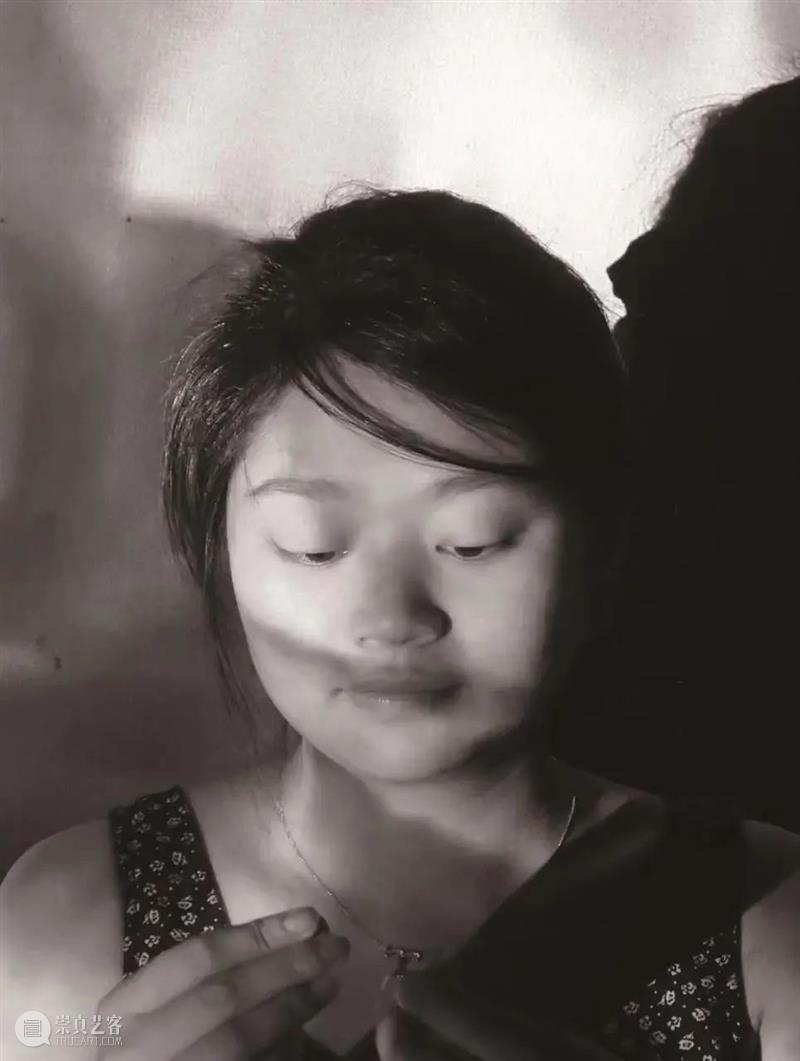
江上越
2022 清华大学博士后,北京
中央美术学院博士毕业
2021 获奖福布斯亚洲30岁以下30位精英榜
2020 日本文化厅杰出艺术家项目 派遣纽约,洛杉矶
获奖福布斯30岁以下30位精英榜
2019 中央美术学院研究生毕业
2017 德国卡尔斯鲁厄国立设计学院(Karlsruhe University of Art and Design)留学
2016 中央美术学院本科毕业 油画系

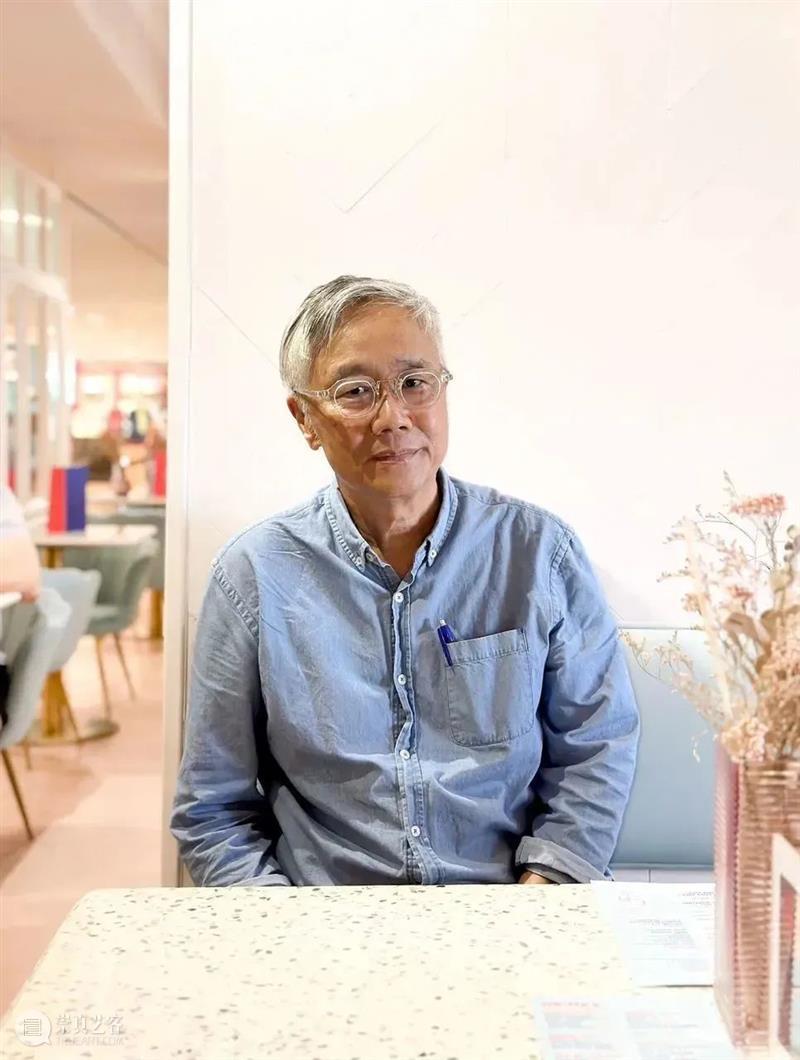
图片源自: Stefen Chow
郭建超
郭建超, 新加坡国家博物馆高级策展人(1992-1994),新加坡美术馆馆长(1994-2009),新加坡国家美术馆馆长(2009-2011)、资深顾问(2011-2015)。新加坡管理大学艺术与文化管理学科(2015-2019)和黄金辉中心(2017-2018)的副教授和负责人。郭建超负责筹划1997年第一个东南亚美术馆界的中国当代艺术展《引号:中国当代绘画》。并于2006年策划了在北京中国美术馆呈现的中国第一个大型东南亚现代美术展《时代之遇:新加坡美术馆藏东南亚美术精品展》。郭建超是国际学者、艺术家网络“全球(去)中心: 多元、流动、文化”的理事会成员,该中心设立于德国汉堡。他是广州美术学院《榴莲榴莲:东南亚当代艺术三年展》的国际顾问,并是大华银行越南全国绘画比赛的特别顾问。郭建超曾获新加坡公共行政(银)奖章及法国文学艺术勋章官爵及骑士爵位。
神奇东方—江上越个展
Oriental Mystery - Etsu Egami Solo Exhibition
Dates: Jun. 09, 2023 – Jul. 24, 2023
Artist: Etsu Egami
Curator: Zheng Guo
Academic Advisor: Kwok Kian Chow
Director of the National Gallery Singapore
Venue: HOW Art Museum 3F, No.1, Lane 2277, Zuchongzhi Road Shanghai
Supporter:TANG CONTEMPOPARY ART
Oriental Mystery - Etsu Egami Solo Exhibition
Article/ Kwok Kian Chow(Director of the National Gallery Singapore)
Early this year (2023), Etsu Egami chose the opening lines in the early Kamakura literary work Hōjōki (方丈記, “My Ten-Foot Hut”)written by Kamono Chomei (1153-1216) as her exhibition title in the newly opened 1,500 sq meter Whitestone Gallery in Singapore during the Singapore Art Week 2023 (6 - 15 Jan). The title was long: Incessant is the change of water where the stream glides on calmly: the spray appears over a cataract, yet vanishes without a moment's delay.[1]
Incessant is the change of water where the stream glides on calmly: the spray appears over a cataract, yet vanishes without a moment's delay exhibition site©️Whitestone Gallery
Egami cited the lines for the constant in human spirit and wisdom -- that the water flows endlessly -- amidst the recurring physical and social calamities and destructions. The lines were the reflections of a hermit from within a hut of a mere ten-foot rectangular. I read that metaphor of a physically constrained and yet reflexively boundless space as the very space in Egami’s paintings. Each painting says of something, as the curators, commentators, and sometimes even the artist herself, have noted, articulated, and elaborated on ideas, themes, circumstances, and cross-cultural experiences a work or a series conveys. On the other hand, any attempt to experience the works thematically, I was reflecting as I marveled at the works in the exhibition, would have been a constraint to get to the fuller experience of the encounter with the paintings.
I later realized the irony between the text and the hut in Kamono Chomei’s literature – that to get to the point of the hermit’s reflections it had to be the text as ideas, the hut as format, and the encounter with literature as going way beyond these frames. Etsu Egami would later in the course of our conversations speak of the problem of frames or categories: "Calligraphy is more like classical music; it comprises 'typologies'; but if you look at it from the perspective of contemporary music, then classical music as a frame exists only because of a classificatory system."[2]
I was curious as to what were the starting points of the pictorial or painterly expressions created by Etsu Egami. While they were Egami’s reflections about her own cultural encounters, personal situations, and thoughts, there could have been a “constant” that layered or integrated these planes. I wanted to know if it was calligraphy and explored the issue of calligraphy with the artist.
Our conversations led to this short paper for Egami’s new exhibition to be held at the HOW Art Museum, Shanghai, opening on 9 Jun 2023. It is not clear to me if the title of the exhibition at the HOW Art Museum has been decided at the point of writing this essay. One senses resistance on the part of the artist to have an exhibition title as in the common art world practice, as seen in the very long title of her exhibition in Singapore that required much effort to remember, let alone decipher. But you will find all the answers in her paintings.
Madama Butterfly, 1995(france),Poster image source on Douban
James Hilton, Lost Horizon, 2012, World Publishing Corporation, image source on Douban
From Giacomo Puccini’s Madama Butterfly (1907), James Hilton’s Lost Horizon (1933), to the myriad forms of Orientalist imagination in Western cultural products prompt a strong sense of resistance in Egami, particularly to the stereotypical image of the conforming Japanese woman. Like in the multiple tiers in the starting lines in Hōjōki, the layering of Orientalisms is not just a phenomenon in the West, but also self-, relative-, and situated-orientalizing within Asia, which are all part and parcel of Etsu Egami’s reflections and expressions; This much I know about the exhibition, far as the theme or title is concerned. “The rest is history,” as it is often said of the complexities and multiplicities that would unfold beyond the initial line, as the histories are all inscribed in the paintings to be shown.
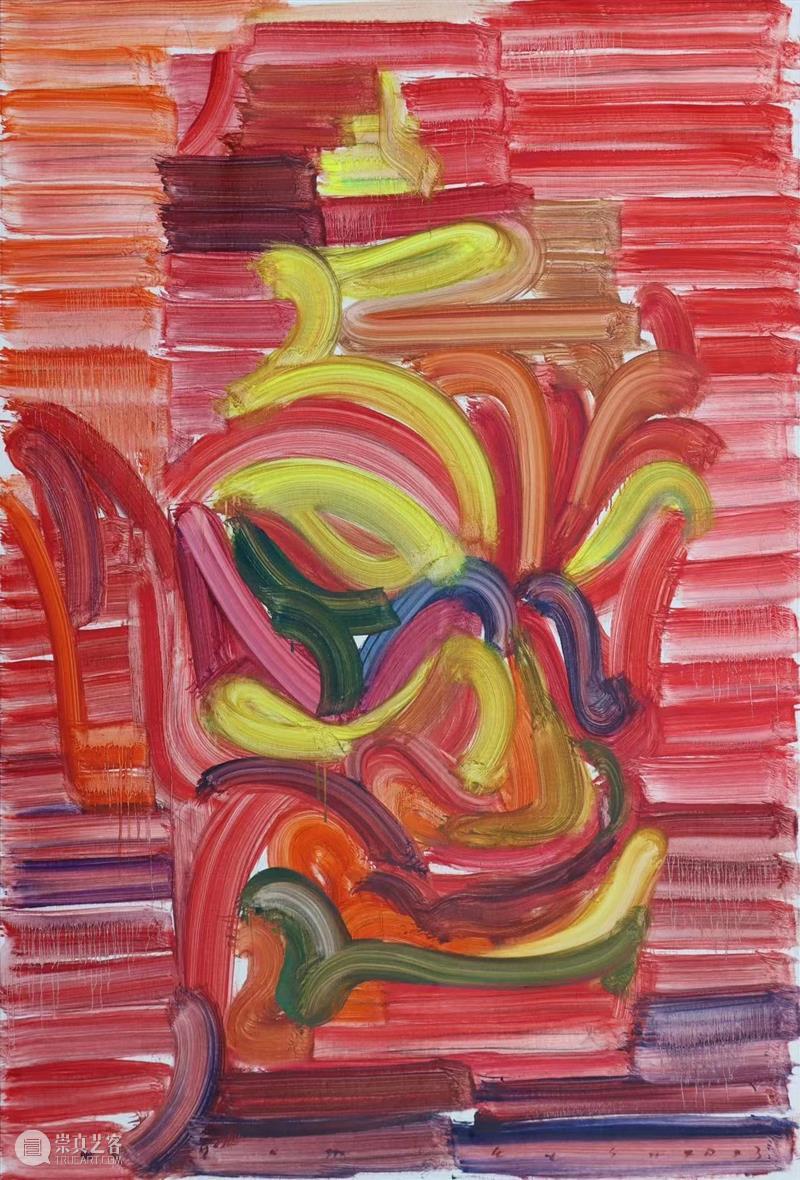
Etsu Egami, Sanxingdui, 200 × 134.5 cm, Oil painting on canvas, 2022-2023
The artist’s usual human faces and figures, in myriad forms of expression and interaction, are drenched in brushes, layers, and lines, or being and becoming form as the vivid colors and even voids in between take shape. An academic in her own right with a doctorate degree from the Central Academy of Art, Beijing, Etsu Egami’s reflections on forms of Orientalism both theoretically and aesthetically bring her to consider even images in Hong Kong martial arts movies popular in Japan in the 2000s (that the artist grew up with), the inevitable comparison of the Tutankhamun mask, Sanxingdui figures, and the “aliens” in popular culture. All these imagery, imagination, symbol, and signals are interwoven into the artist’s paintings which are more than a dissertation on cultural studies but are the very lived experience of participatory and reflexive engagement in the said cultural contexts all at the same time.
What about calligraphy? Etsu Egami is fortunate to have an artist father (JY) who taught her calligraphy in unconventional and highly inspiring ways. To my many questions about the phonetics and ideographs in Japanese calligraphy, the differences in calligraphic renditions in hiragana, katakana, and kanji, relations between semantics and forms, and so on, Egami’s immediate response was that calligraphy, first and foremost, was about its experience as a bodily extension.
“I remember it was calligraphy – not writing – that my father taught me. This was so as to let me feel my bodily sensation in the rubbing of the brush tip on the paper. It was like a game; It was fun,” recalled Egami.[3] The artist also played the piano and erhu and paralleled the suppleness of strings on the musical instruments with the hair forming the tip of the brush. “Hence rather than saying the brush is a medium, it is better to say that it is an extension of one’s body,”[4] Egami explicated in a way that surpassed my questions on philology and semantics. This was when I realized that what calligraphy meant to Egami, thanks to her father’s pedagogy, amounted to an art-inspired epistemology. The many discussions in the art world about form and content, ideas and pictorials, and text and calligraphy were already seamlessly integrated in Egami’s world of knowledge and expression at a young age.
Etsu Egami’s calligraphy and ink painting works created when she was 9 years old.
Integration is always dynamic. It encompasses tensions. This was also realized thanks to calligraphy, as Egami has it:
The brush is elastic, and so is the felt under the paper. When I was learning to write, the strength in my hands and the ideas in my heart were often (mutually) absorbed and resisted, and as a result this condition could not be directly echoed on the paper. Herein was a dialogue between the hand and the brush; how to spread out, how to draw back so as to let the ink flow effortlessly, or strenuously.
This kind of dialogue and adjustment at any time forms a strong sense of rhythm, which is full of vitality like breathing. I really like spirit consonance, one of Xie He’s Six Principles (6th cen CE). The rhythm of the lines archives the calligrapher's movement as well as her breathing. I often feel that when I use a brush, I seem to be sculpting something, and gradually this process draws you into another dimension of space.[5]
Like painting, calligraphy has stylistic categories too. In shodō 書道, the kana and kanji artists belong to different genres, just as the intensity of cursiveness comes in different degrees – seigyo, gyo, and gyoso. I can imagine how such categorization would have been awkward, if not contrived, to a young Egami as she had already noted the dō, or the Way of calligraphy, just as the artist had not answered my question about the division between semantics and forms, and meaning and image.
“My father always told me to write and to feel with one’s whole body. The brush is like a bodily organ; it has sentience. Every stroke, every line is fresh, like breathing, continuous and rhythmic, and has meaning. It is concurrently visual and auditory language,” added Egami.[6] While the Chinese aesthetic dictum always spoke of calligraphy and painting as deriving from the same source (书画同源), for Egami this was a lived experience that “since childhood, I have done calligraphy and painting both at the same time; as I grew up in many countries, I did not conform to the norm in calligraphy.”[7]
Quite apart from the integration (with tensions, as Egami reminded above) of form and meaning in the artist’s work, there is also an art historical dimension to Etsu Egami’s world of knowledge (as in the conjunction of theories of Orientalisms and lived experiences). The artist is often regarded as a “third generation” Post-War Japanese artist. The first Post-War generation tended to represent austere topics or Oriental philosophy such as Gutai and Monoha. The second generation featured symbolisms of Japanese popular- and sub-cultures such as Manga and Otaku. The current generation, with which Egami affiliates, is free of the weight of history and cultural representation, is global in outlook and is concerned about issues pertaining to humanity in general. This generation is also acutely concerned about diversity and inclusivity, such as women and other minority groups.[8] Egami has a delicate line on the rainbow: “Every color of the rainbow is very beautiful, they do not merge, they form parallel lines, they coexist; the rainbow has gradually become my painting language.”[9]
It is interesting that Egami returned to painting after engaging in installation and multimedia works. From another perspective, the art historical trajectory above could also be read as a return to the origin of calligraphy, the kanji form, in particular, as East Asian cultural specific. Yet its universality in terms of the integration of knowledge, expression, words, and forms is given new manifestation in Etsu Egami’s works, as she rejects traditional internal categorization of Asian artistic forms such as the genres within calligraphy. Egami refers to Deconstruction: “Episteme, memory, and information are ‘dissolved’ as they are ‘gathered’ in (an endless process of) ‘deconstructing’ and ‘constructing’. They are in perpetual flux. New knowledge triggers new painting language, and the images of painting make knowledge clearer and deeper.”[10] Calligraphy from its outset had already contained the inspiration and potentials of deconstructive impulse.
[1] See Tan Siuli, Etsu Egami: Oscillating Between the Abstract and Figurative, https://www.whitestone-gallery.com/blogs/articles-post/etsu-egami-essay-by-tan-siuli
[2] Etsu Egami’s original line: 书法更像古典音乐,它有“型”,但是如果你站在当代音乐的角度去看,那么古典音乐也是一种框架,其实这些框架都是你自己赋予给自己的。Exchanges with Etsu Egami, meeting in Singapore on 13 Jan 2023, and subsequent correspondence particularly during the period 22 May to 1 Jun 2023 (between Beijing, Tokyo, Saint-Savin, and Donostia-San Sebastian). All direct quotes in this article have the same reference.
[3] Etsu Egami’s original line: 我记得小时候父亲就教我书法,不是教我写字,而是让我用身体来感受笔锋在纸上的摩擦,像做游戏,挺好玩的. Ïbid.
[4] Etsu Egami’s original line: 与其说毛笔是一个媒介,还不如说是自己身体的延伸. Ibid.
[5] Etsu Egami’s original line: 毛笔是有弹性的,纸张下的毛毡也是有弹性的。学字时,手上的力量和心中的意念常常被吸收,被反抗,不能直接反映在纸上。这里需要手和毛笔对话,如何让笔锋铺开,又如何让笔锋收拢,如何让墨流顺畅,又如何让墨流苦涩。这种对话和随时调节,形成了强烈的节奏感,像呼吸一样,充满了生命活力。我很喜欢谢赫<六法>中的气韵生动。线条的韵律记录了作者的运动,也记录了作者的呼吸。我常常觉得,用毛笔的时候我好像是在雕刻某一种东西,层层渐进带你进入另一个空间维度。Ibid.
[6] Etsu Egami’s original line: 我父亲总是说要用全身去写,全身去感受。这里的全是已经包含了毛笔,毛笔就像身上的一个器官,是有知觉的。每一笔,每一个线条都是鲜活的,像呼吸一样,连续而有节奏,都有意义所在。是视觉语言,又是听觉语言。 Ibid.
[7] Etsu Egami’s original line: 对我来说没有,从小我都是同时进行的,书画一体,我在很多国家长大所以书法并不是一种规范内的存在。Ibid.
[8] Asia Society Japan, The Potential of the Third Generation of Postwar Contemporary Artists in Japan (Recap), Art for Breakfast 2021 (Talk by Etsu Egami),
https://asiasociety.org/japan/potential-third-generation-postwar-contemporary-artists-japan-recap
[9] Etsu Egami’s original line: 彩虹每一个颜色都很美丽,不融合,平行线,共存着,彩虹渐渐的成为了我的绘画语言。Ibid.
[10] Etsu Egami’s original line: 认知,记忆,信息在“聚集”的同时“解散”,在“构成”的同时“解构”,甚至没有结构,也没有构成,是一种动态,一期一会,流动的... ”变异”就是真相。新的认知触发新的绘画语言,绘画的形象表现又让认知变得更加清晰和深入。Ibid.
ABOUT ARTIST
Etsu Egami
2022 working in TsingHua University PHD in Central Academy of Fine Arts
2021 Forbes Asia 30 UNDER 30
2020 As Outstanding artist dispatch to New York from Agency for Culture Affairs, Government of Japan
2017 studied media art at Karlsruhe University of Art and Design in Germany
2016 studied at Central Academy of Fine Arts , BFA , Bachelor

ACADEMIC ADVISOR
Photo Credit: Stefen Chow
Kwok Kian Chow
Kwok Kian Chow (he/him) was senior curator (1992-1994) of the National Gallery Singapore, director (1994-2009) of the Singapore Art Museum, and director (2009-2011) and senior advisor (2011-2015) of the National Gallery Singapore. Kian Chow was associate professor and headed the arts and culture management programme (2015-2019) and Wee Kim Wee Centre (2017-2018) at the Singapore Management University. An independent curator and writer, Kian Chow is a steering committee and board member of the Global (De)Centre: Diversity, Mobility, Culture. Kian Chow holds the Singapore Public Administration Medal (Silver) and the Officier and Chevalier titles in the French Order of Arts and Letters.


 {{newsData.good_count}}

 {{newsData.transfer_count}}


 {{item.good_count}}k
已展示全部
{{item.publisher_name}} 发布了 文章
{{item.title}}
更多功能等你开启...

 分享
分享