高台新展|伊力凡个展「花语」即将开幕
{{newsData.publisher_name}}
{{newsData.update_time}}
浏览:{{newsData.view_count}}
来源 | {{newsData.source}} 作者 | {{newsData.author}}
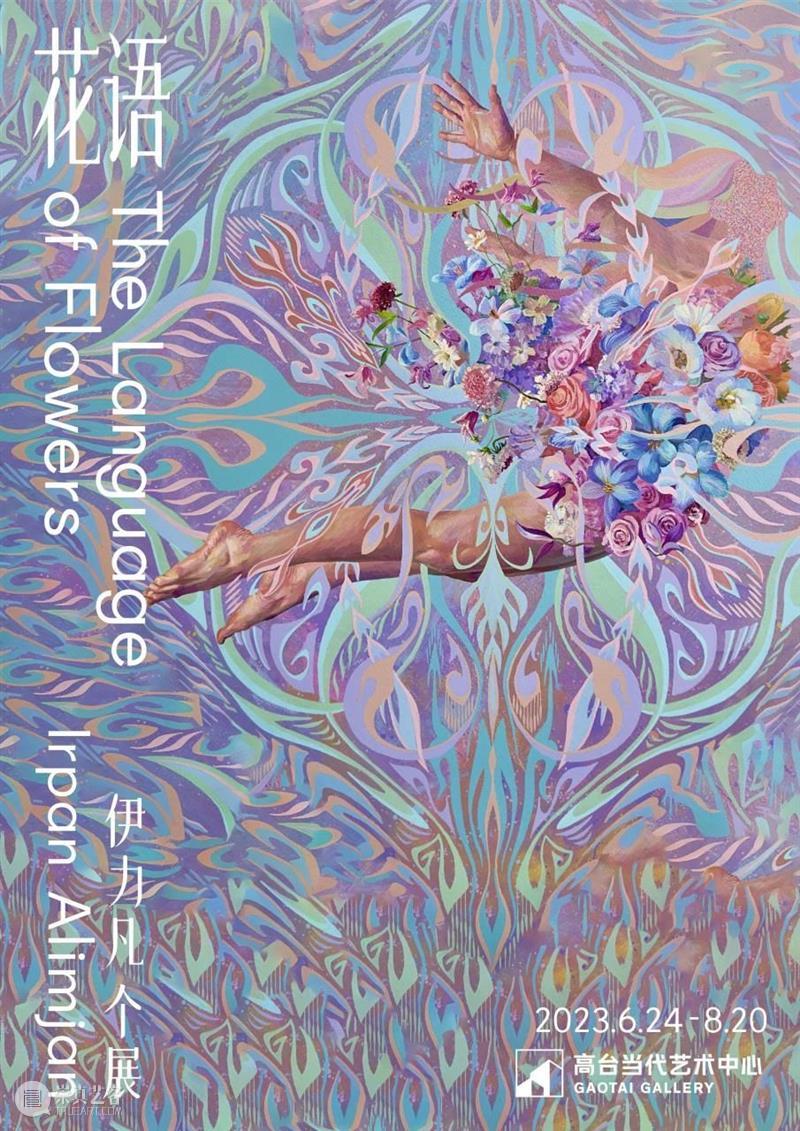
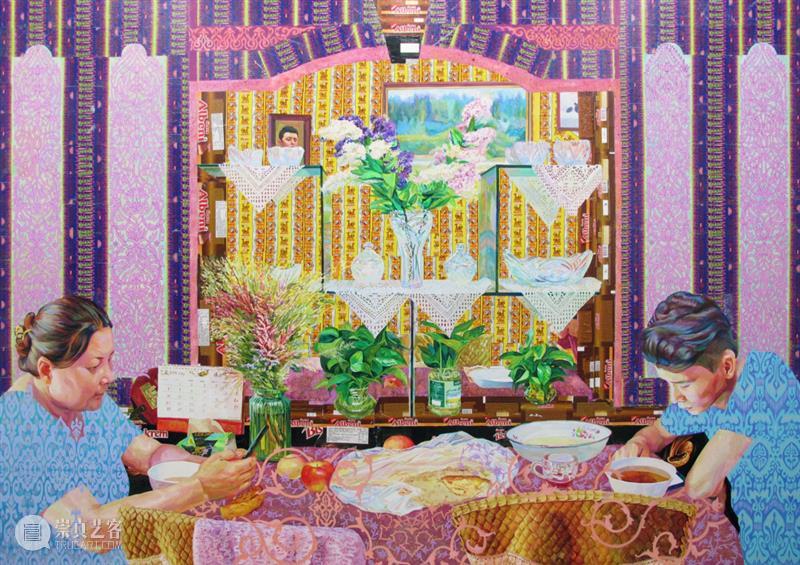
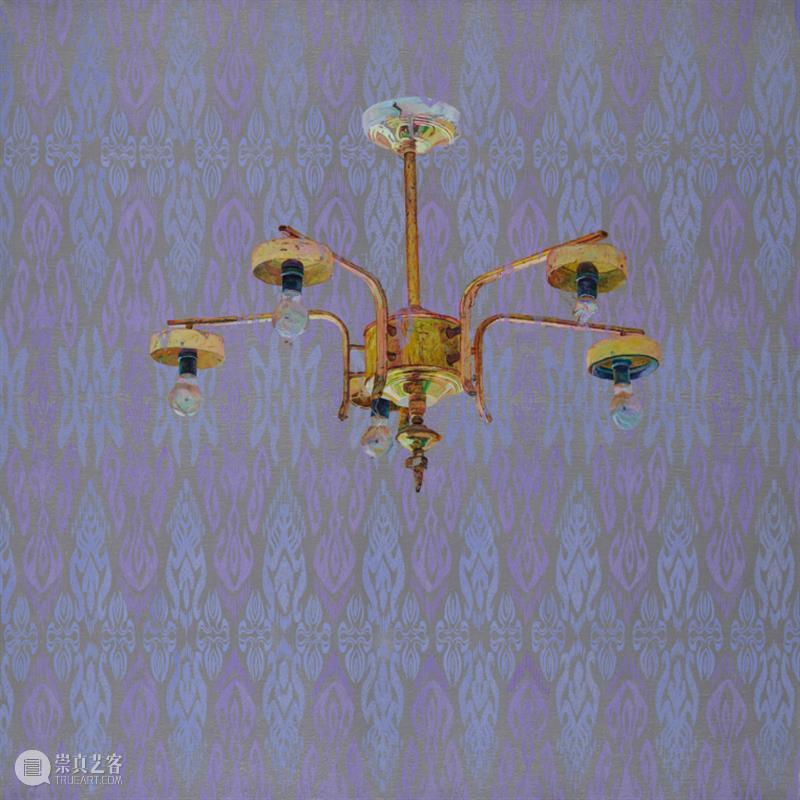
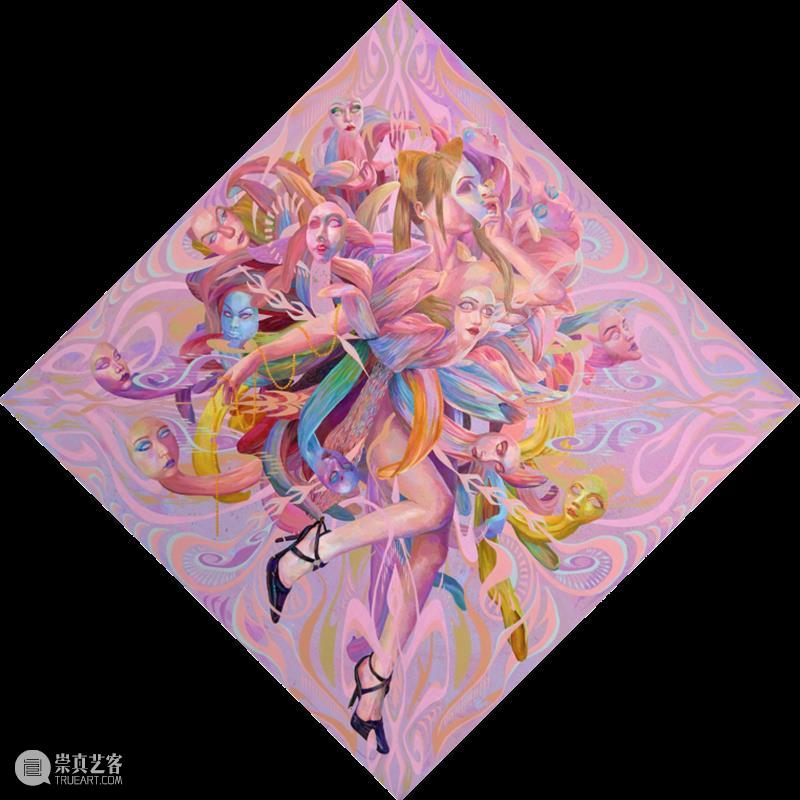
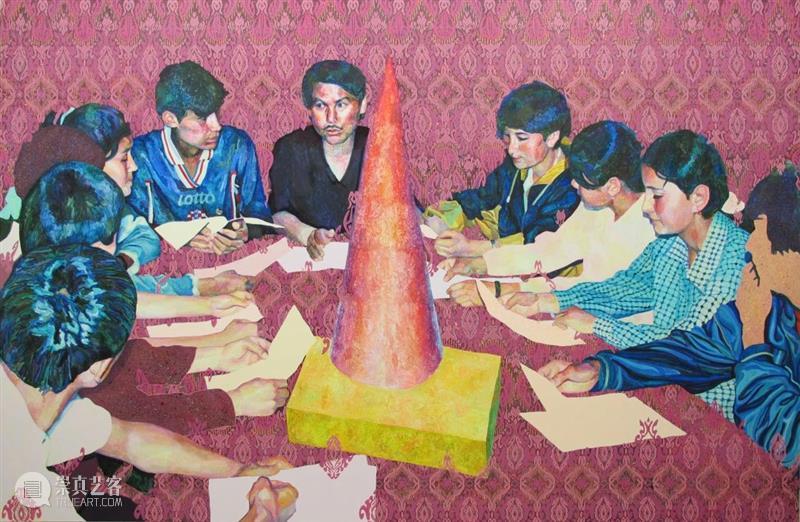
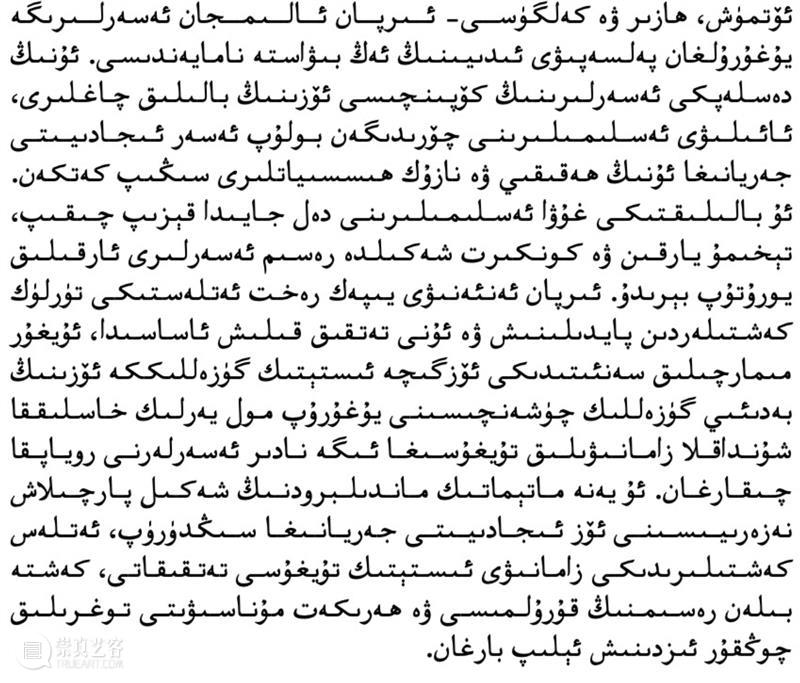
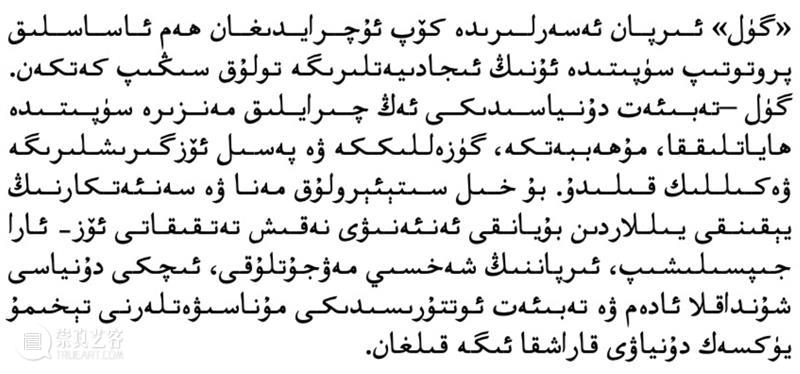
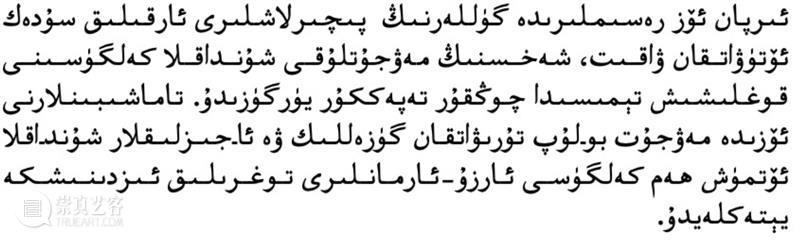
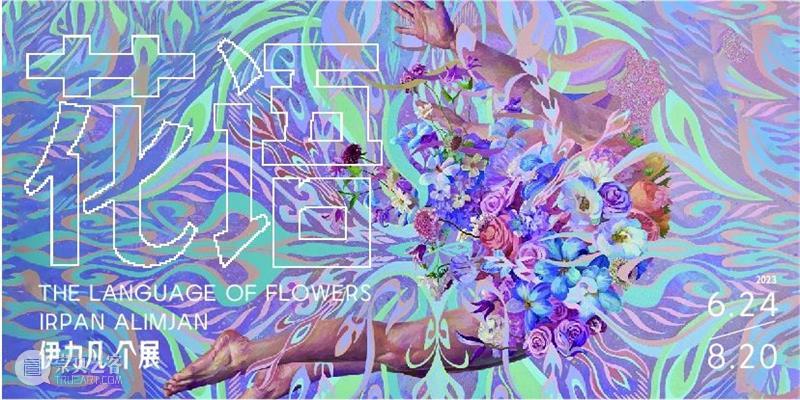
我们很荣幸呈现艺术家伊力凡(Irpan Alimjan)个展「花语 The Language of Flowers」,展览将于6月24日(周六)20:00 在高台当代艺术中心开幕。过去、现在和未来是伊力凡(Irpan Alimjan)作品中所蕴含哲思的最直接体现。他的早期创作大多围绕着自己的童年、家庭记忆展开,这些作品在创作过程被注入真实细腻的情感。伊力凡能准确提取原本模糊的记忆碎片,并将其以更为清晰具体的方式编织进画面里进行呈现。
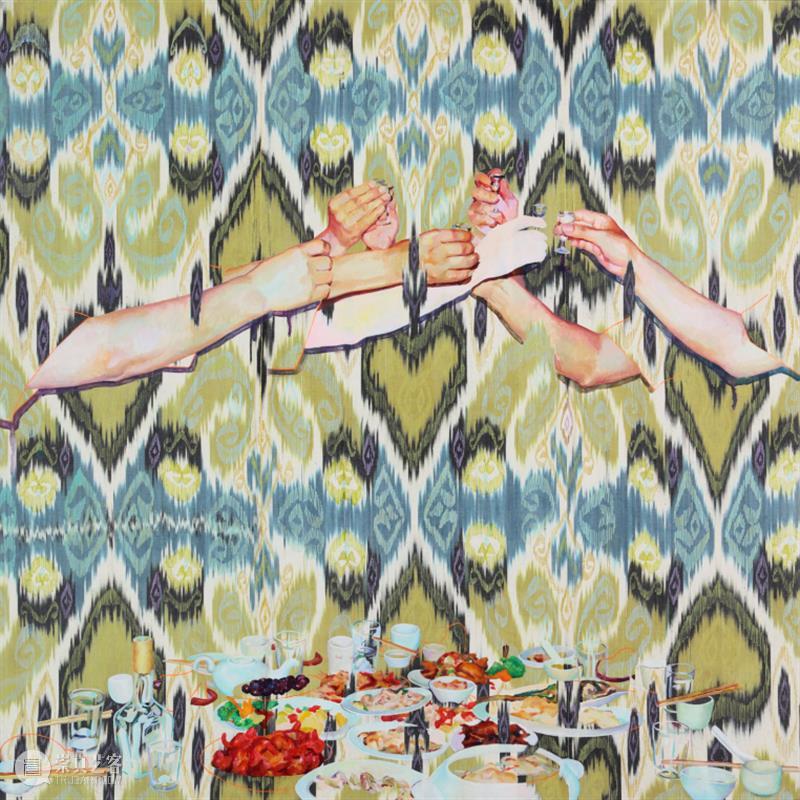
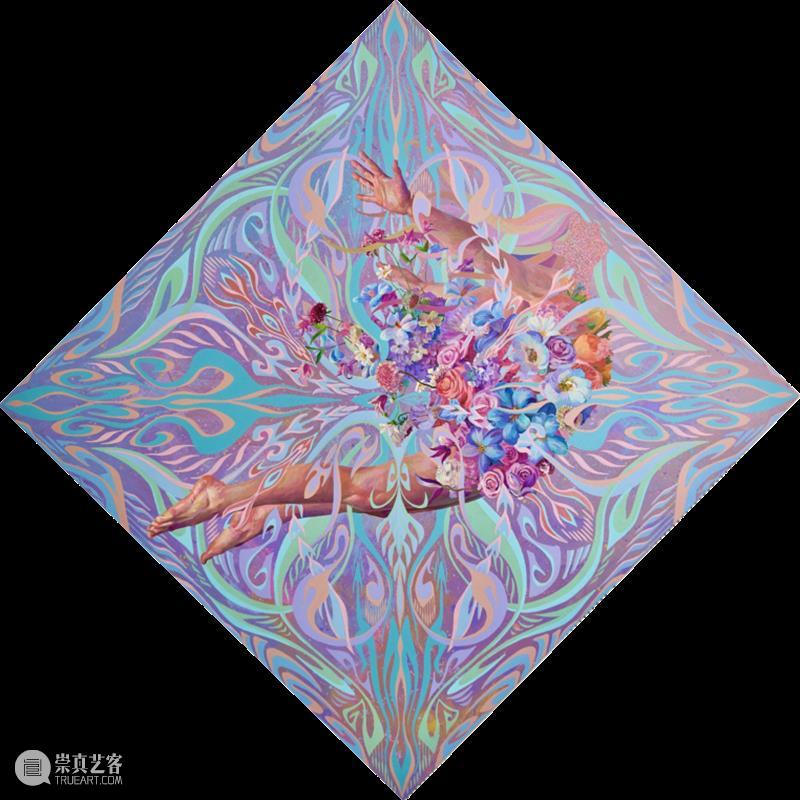
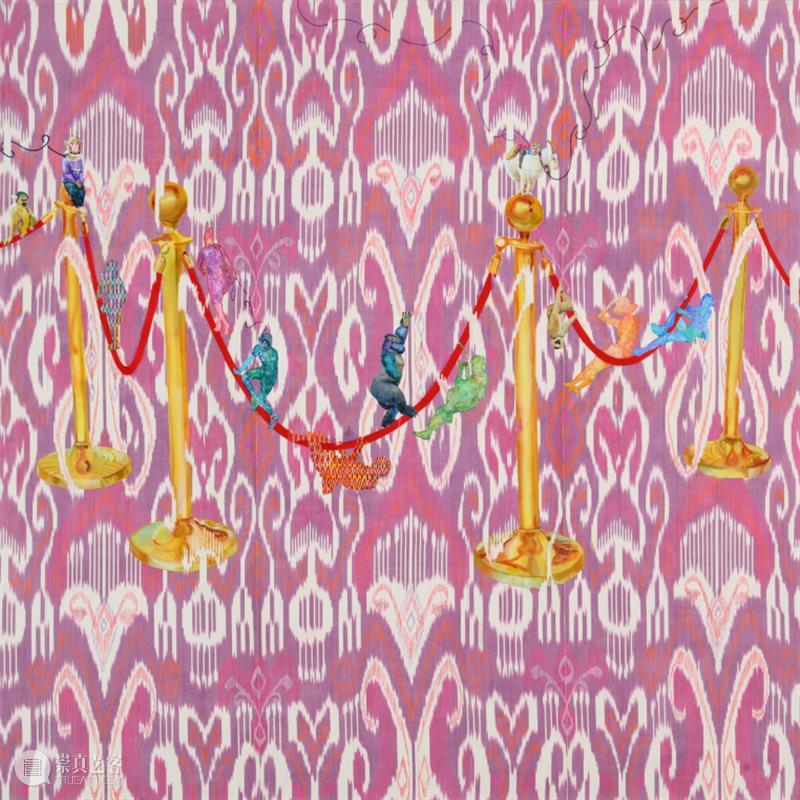
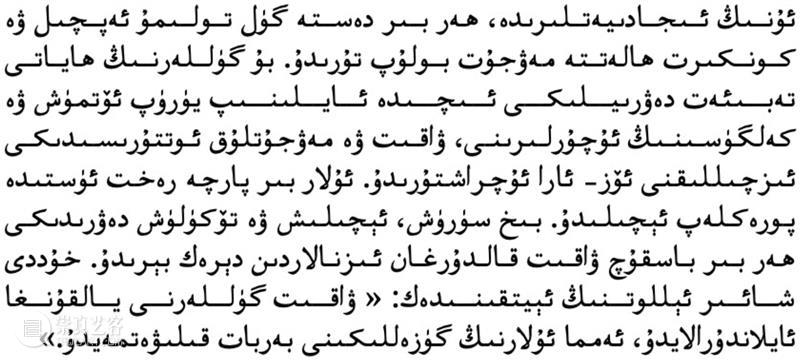
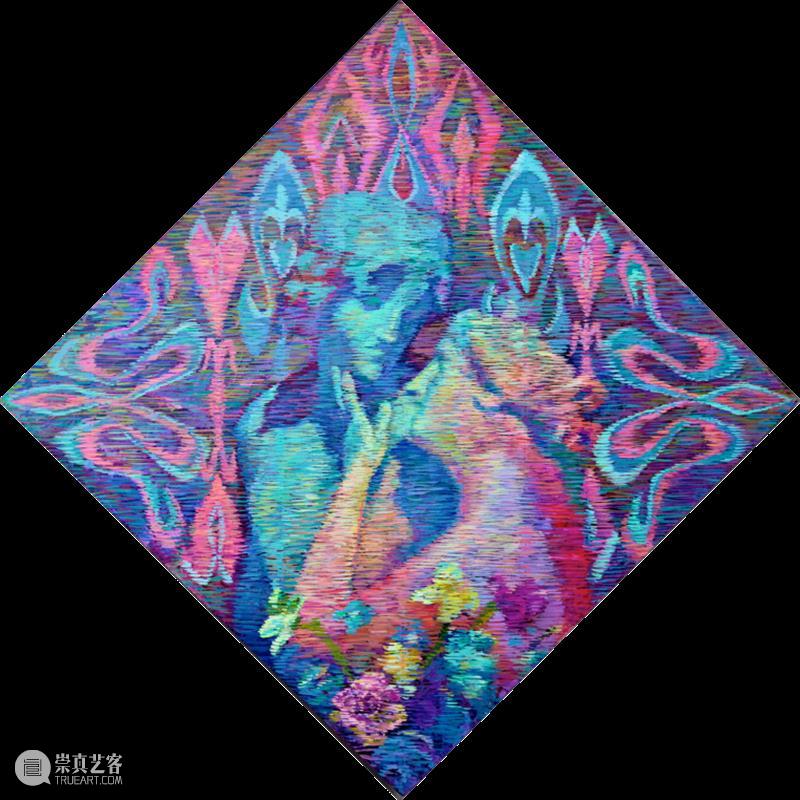
根植于对传统艾德莱斯丝绸及其纹样的运用和研究,伊力凡运用维吾尔装饰艺术中存在的独有视觉美,加以自己的美学理解,创作出了富有地域性却不失现代感的作品。而“花”作为伊力凡作品中最为频繁出现的、最重要的意象,贯穿了伊力凡的创作。花作为自然界的美丽意象,代表着生命、爱、美和变化。这些象征意义与艺术家近年来对传统纹饰的研究相融合,逐渐拓宽了伊力凡对个体存在、情感世界和人类与自然之间关系的视野,建立起了更为宏大的世界观。在他的作品中,每一朵花都成为了一个微妙而具体的存在,这些花的生命在自然的轮回中流转,传递着关于过去和未来的信息——时间和存在是一场绵延不绝的对话,它们绽放在画布上,从初生,到盛开,再到凋零的凄美,每一个阶段都是时间留下的印记,就像诗人艾略特所说:“时间将花朵燃烧,却不会烧毁它们的美丽”。
伊力凡个展「花语」将于6月24日开幕,我们邀请你进入这个鲜花绽放的迷人领域,欢迎通过文末小程序预约展览门票,开启一场关于存在和时间的诗意旅程。"Time is a flowing river, and flowers are its witnesses."—T.S. EliotThe past, present, and future are the most direct reflections of philosophical thoughts embedded in Irpan Alimjan's artworks.His early works mainly revolved around his childhood and family memories. Injected with genuine and delicate emotions during the creative process, these artworks accurately extract fragments of otherwise blurred memories and present them more clearly and tangibly. Rooted in the application and study of traditional Etles silk and patterns, Irpan Alimjan incorporates the unique visual beauty found in Uyghur decorative arts, infused with his aesthetic understanding, to create regionally rich and modern works.
Flowers, as the most frequent and significant motif in Irpan Alimjan's works, permeate his creations. As a beautiful symbol of nature, flowers represent life, love, beauty, and change. These symbolic meanings blend with the artist's recent research on traditional ornamentation, gradually forming Irpan Alimjan's broader worldview regarding individual existence, the emotional world, and the relationship between humans and nature.In his artworks, each flower becomes a subtle and concrete entity. These flowers' lives circulate in the cycle of nature, conveying messages about the past and the future. Time and existence engage in an unending dialogue, and the flowers bloom on the canvas, from birth to full bloom, and then to the poignant beauty of withering. Each stage bears the imprint left by time, just as the poet Eliot said, "Time will burn the flowers, but it will not destroy their beauty.”
Through painting, Irpan Alimjan uses the language of flowers to convey profound reflections on the passage of time, individual existence, and the pursuit of the future. He guides viewers to experience the beauty and fragility of their existence, as well as the tracing and exploration of the past and the future.
Email:arman@gaotaigallery.com
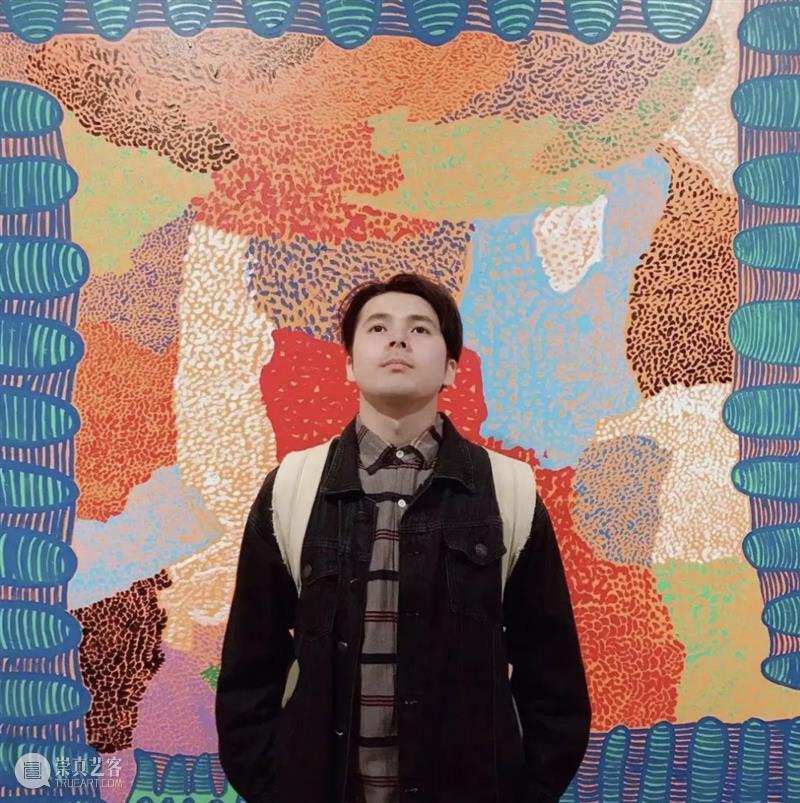
伊力凡·阿力木江,1993年出生于新疆伊犁,毕业于中央美术学院油画系第三工作室,师从刘小东、喻红、刘商英、陆亮,现生活、创作于北京、燕郊,长期关注在全球多元文化影响背景下的⺠族文化的多元性融合与当代性探索。伊力凡以其精湛的绘画能力和独到的美学理解,巧妙在作品中融入维吾尔装饰艺术所蕴含的独特视觉美感,使用了例如艾德莱斯绸等富有中亚地域特色的材料,创作出富有地域性文化特质但不失当代感的作品。他近年来的创作围绕个人情感的追溯、身份认知的思考以及对青年文化的探索展开,并不断尝试去赋予传统纹饰新的生命力和展现形式。2021年开始,他将自己对分型理论的研究融入维吾尔传统纹饰艺术中,通过将抽象纹理和具象图案的结合,聚焦现实,创作出了极具视觉张力的画作,表达了他对现实、传统和身份的独到见解。
Irpan Alimjan, born in 1993 in Ili, Xinjiang, graduated from the Third Studio of the Oil Painting Department at the Central Academy of Fine Arts. He studied under Liu Xiaodong, Yu Hong, Liu Shangying, and Lu Liang. Currently, he lives and works in Beijing and Yanjiao, focusing on the diversity and contemporary exploration of Uyghur culture under the influence of global multicultural backgrounds.With his exquisite painting skills and unique aesthetic understanding, Irpan skillfully incorporates the distinctive visual beauty inherent in Uyghur decorative arts into his works. He utilizes materials such as Adelais silk, which is rich in Central Asian regional characteristics, to create works that embody regional cultural traits while maintaining a contemporary sensibility.In recent years, his artistic creations have revolved around the exploration of personal emotions, reflections on identity recognition, and the investigation of youth culture. He continuously endeavours to infuse traditional ornamentation with new vitality and forms of expression. Starting in 2021, he integrated his research on fractal theory into Uyghur traditional ornamentation art. By combining abstract textures with figurative patterns and focusing on reality, he has created visually powerful paintings that express his unique insights into reality, tradition, and identity.
{{flexible[0].text}}
{{newsData.good_count}}
{{newsData.transfer_count}}