YANG JIAN: FOOTSTEPS IN THE SUBLIME
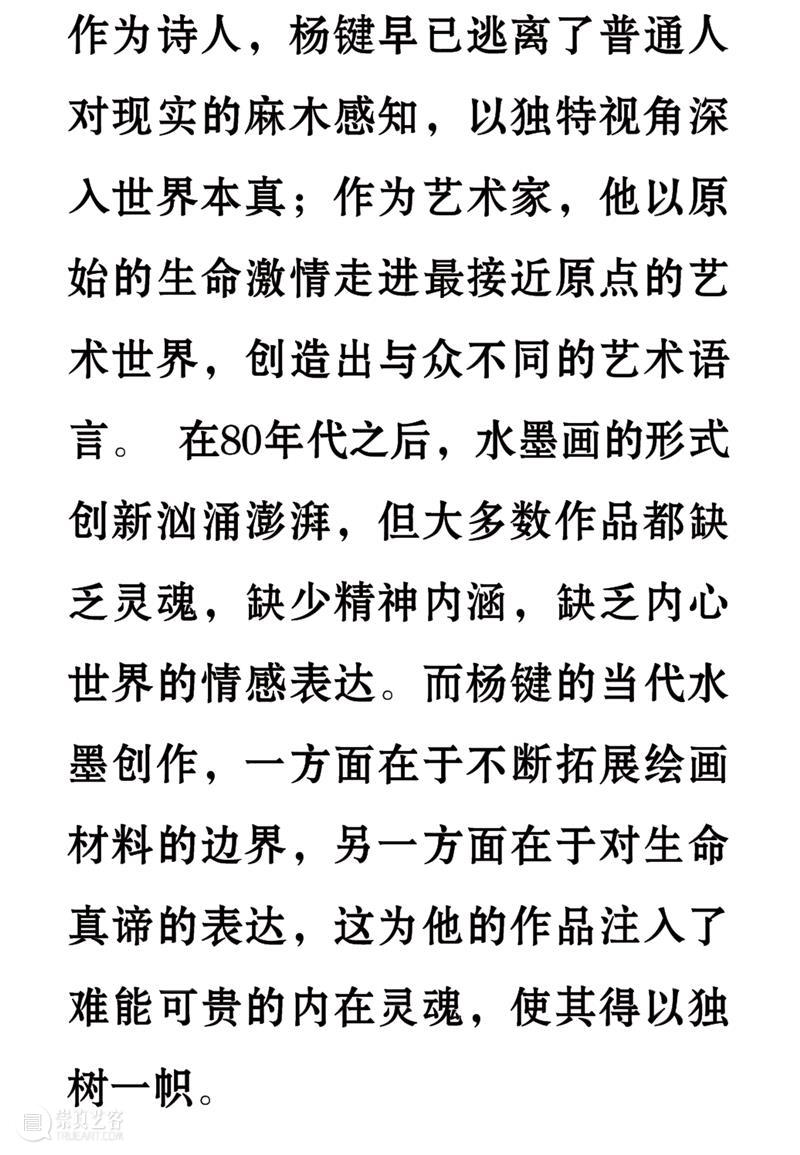
Yang Jian belongs to the venerable Chinese tradition of painter poets. Less common perhaps than in former times, such talents are often reciprocal, as the sensibility informing the paintings finds allied or further expression in the poems. In addition to Yang Jian, we featured two other contemporary poet painters, Duo Duo and Mo Fei, in Pangolin House issues.
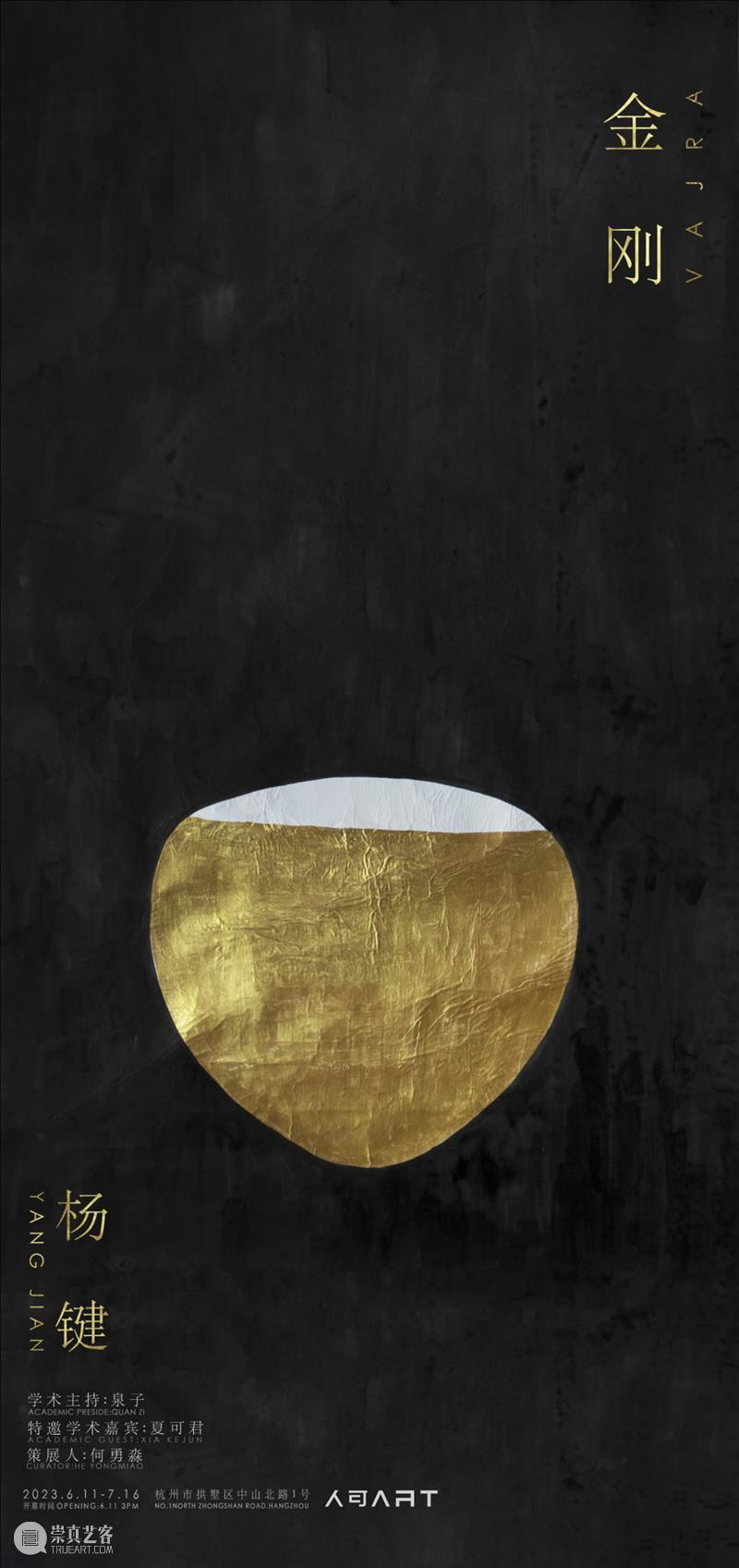
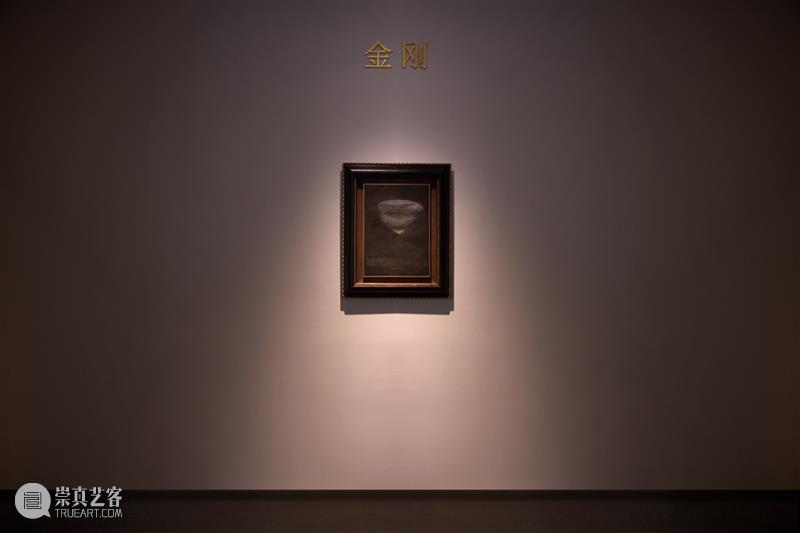
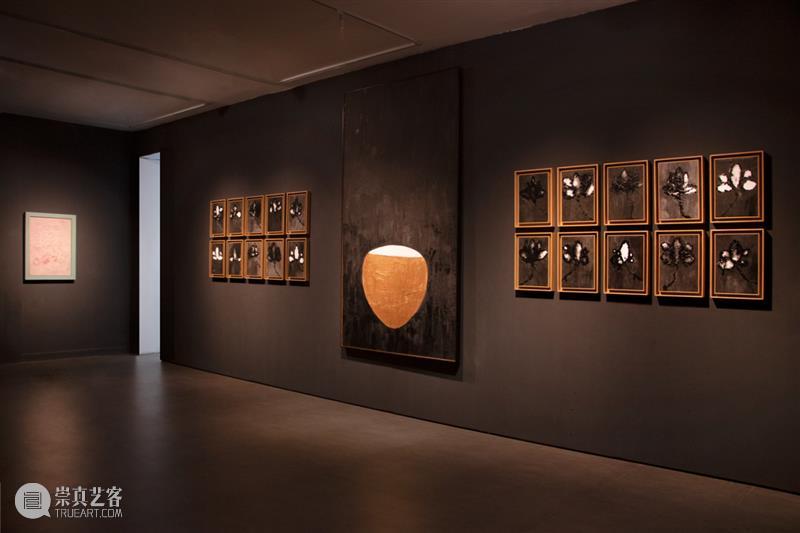
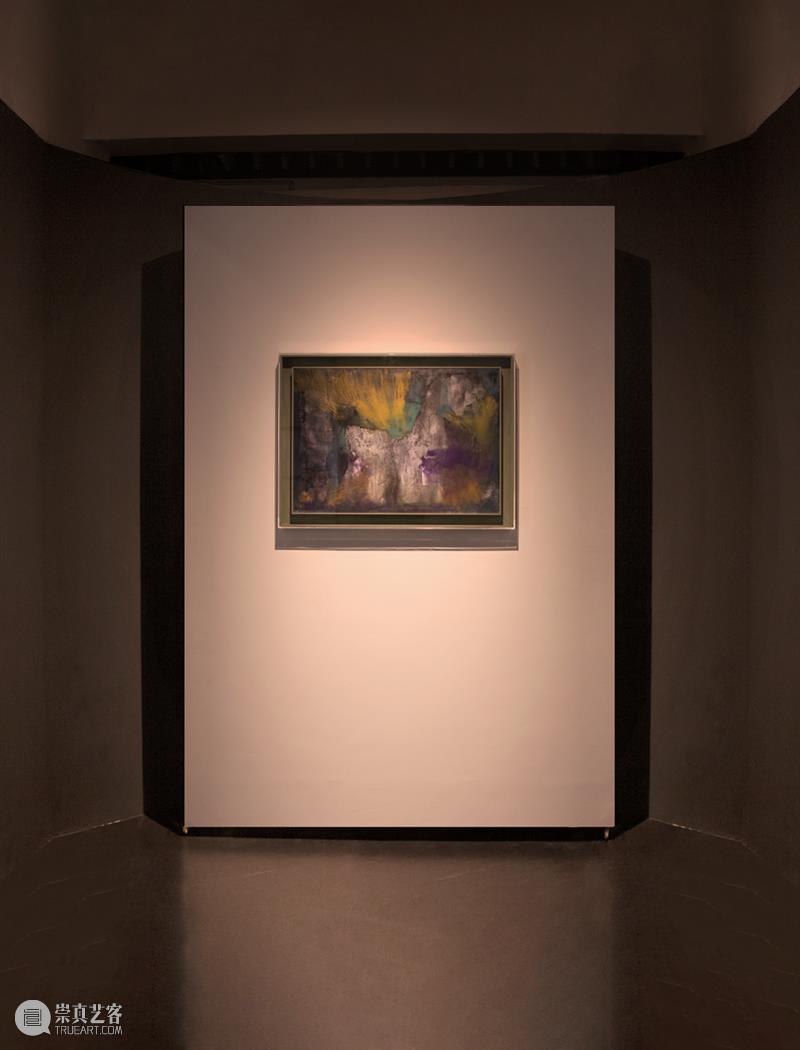
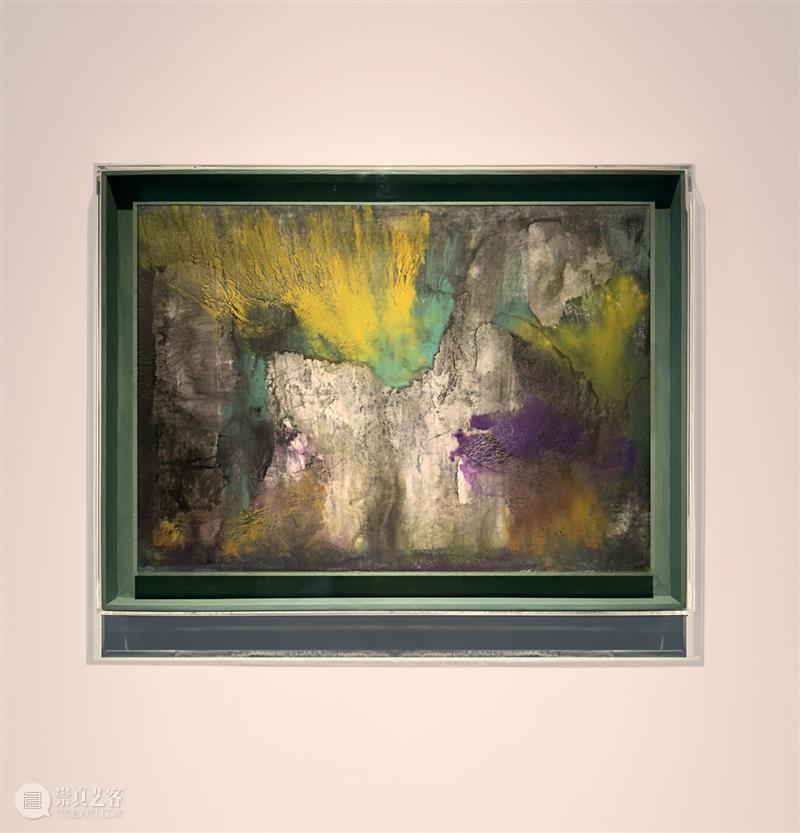
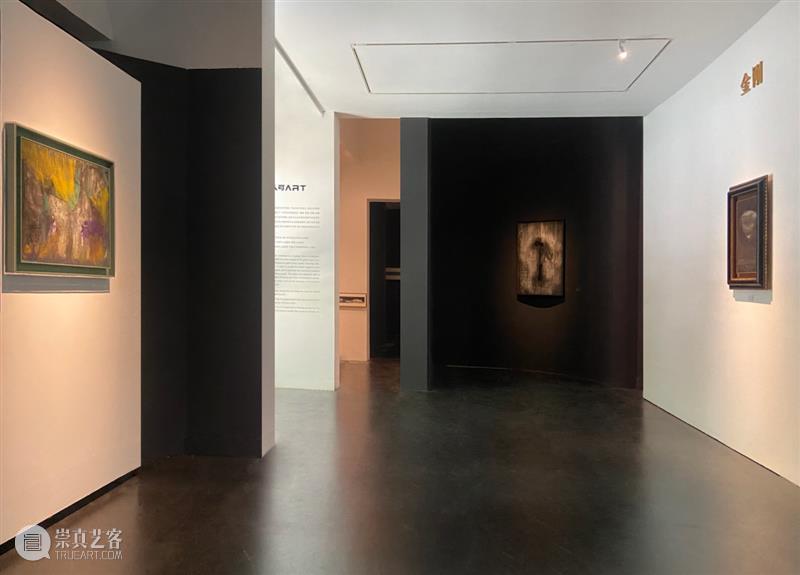
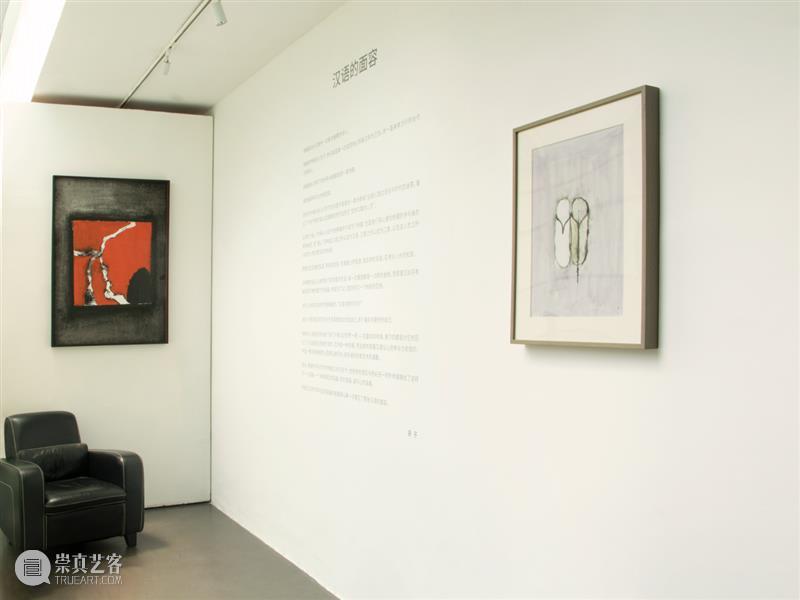
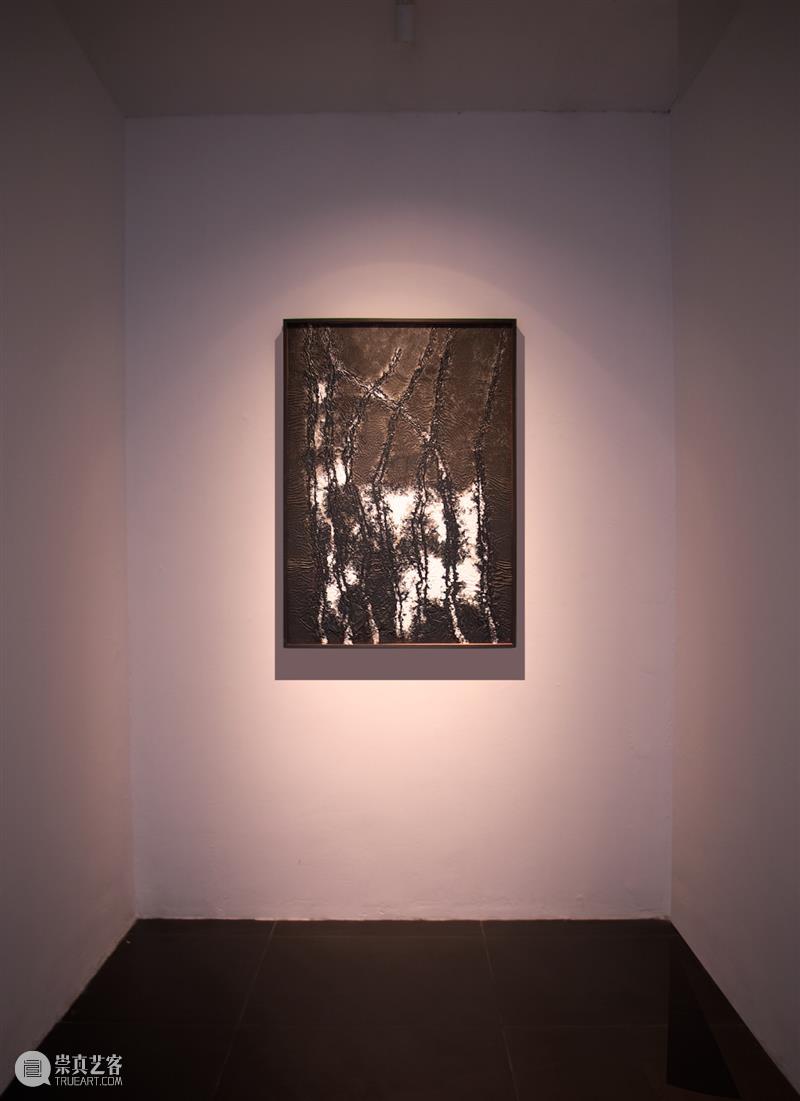
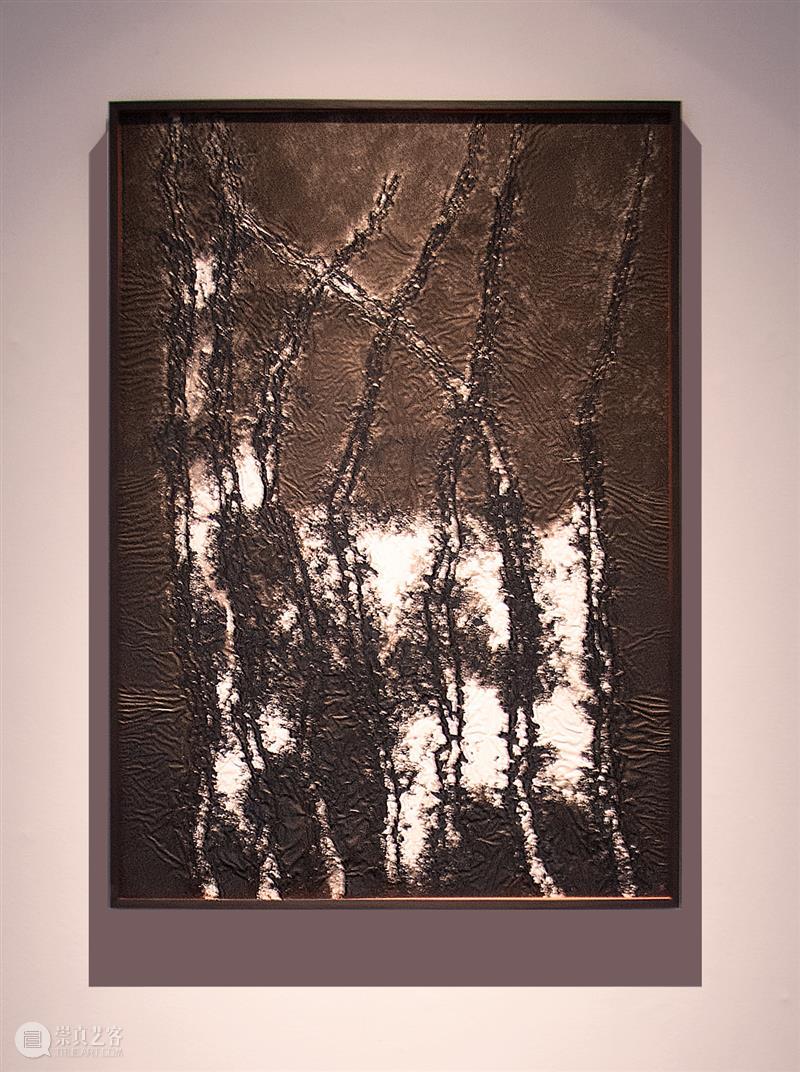
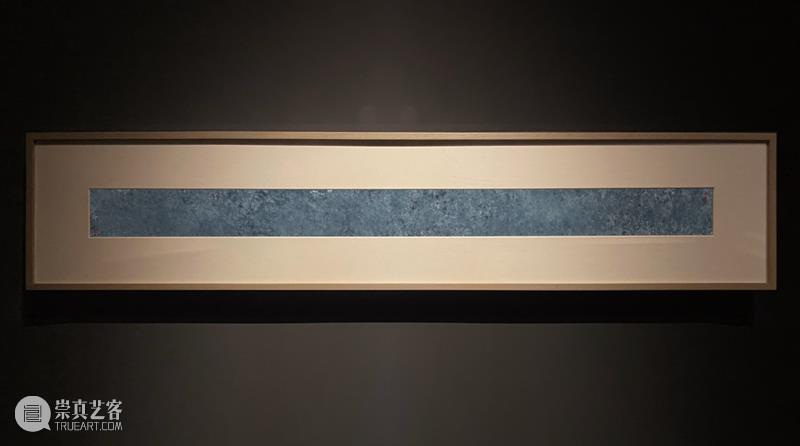
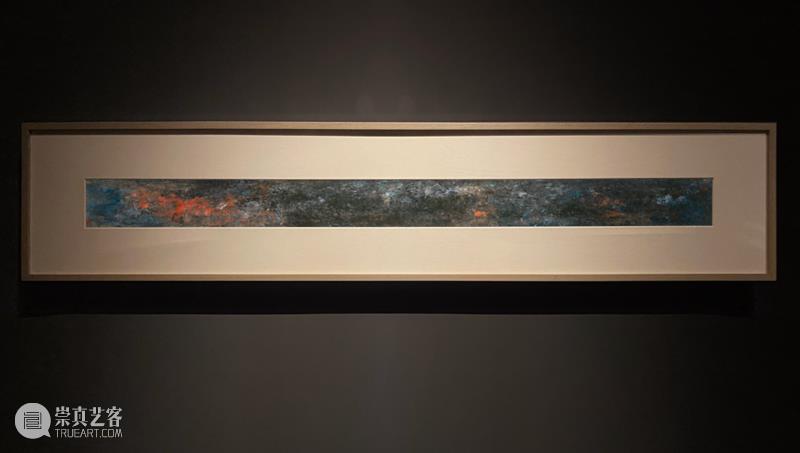
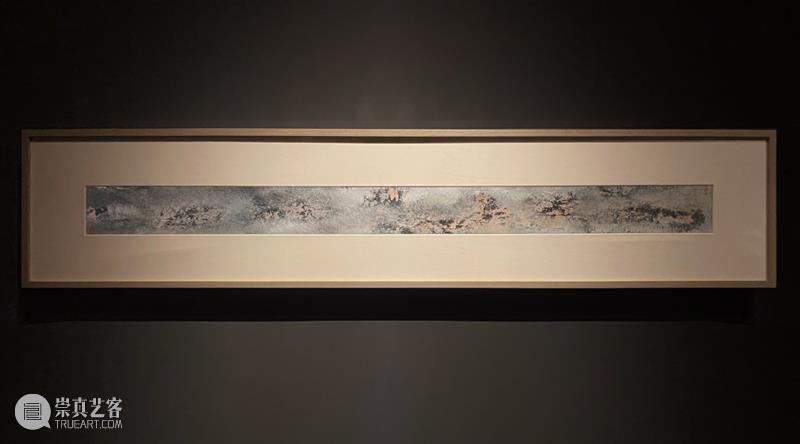
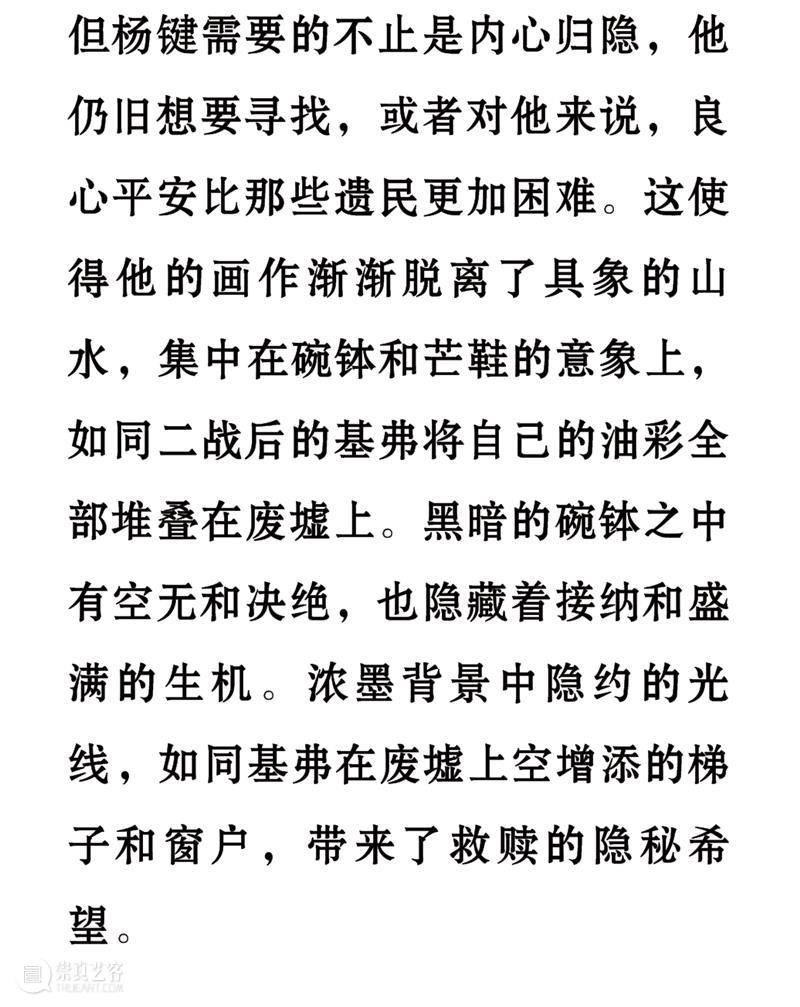
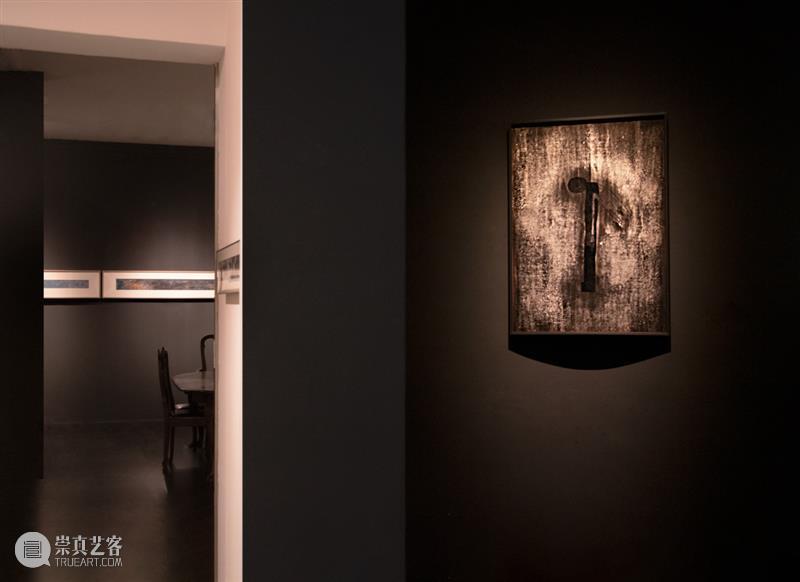
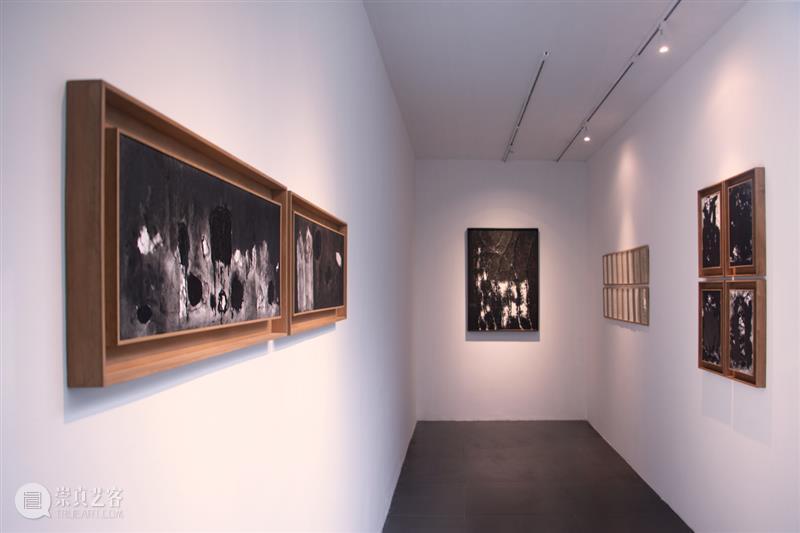
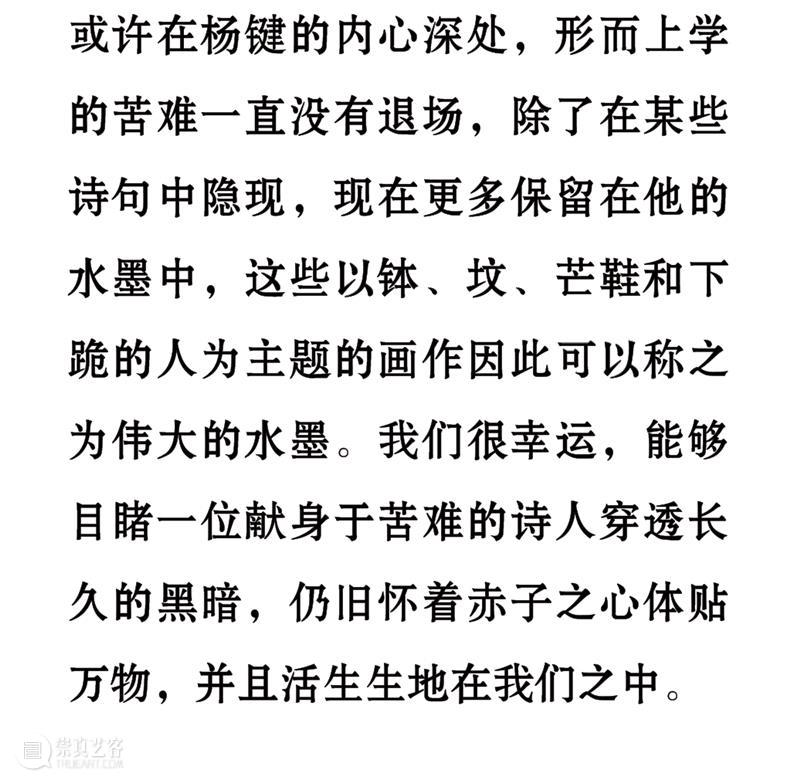
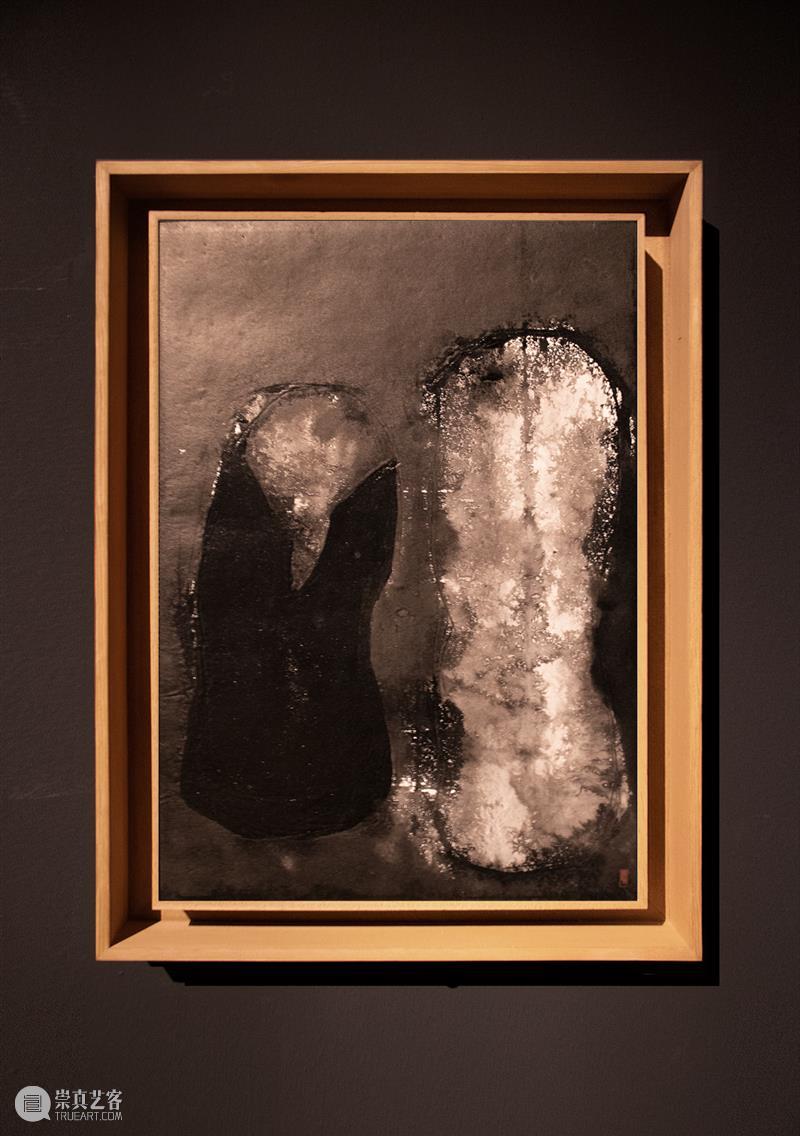
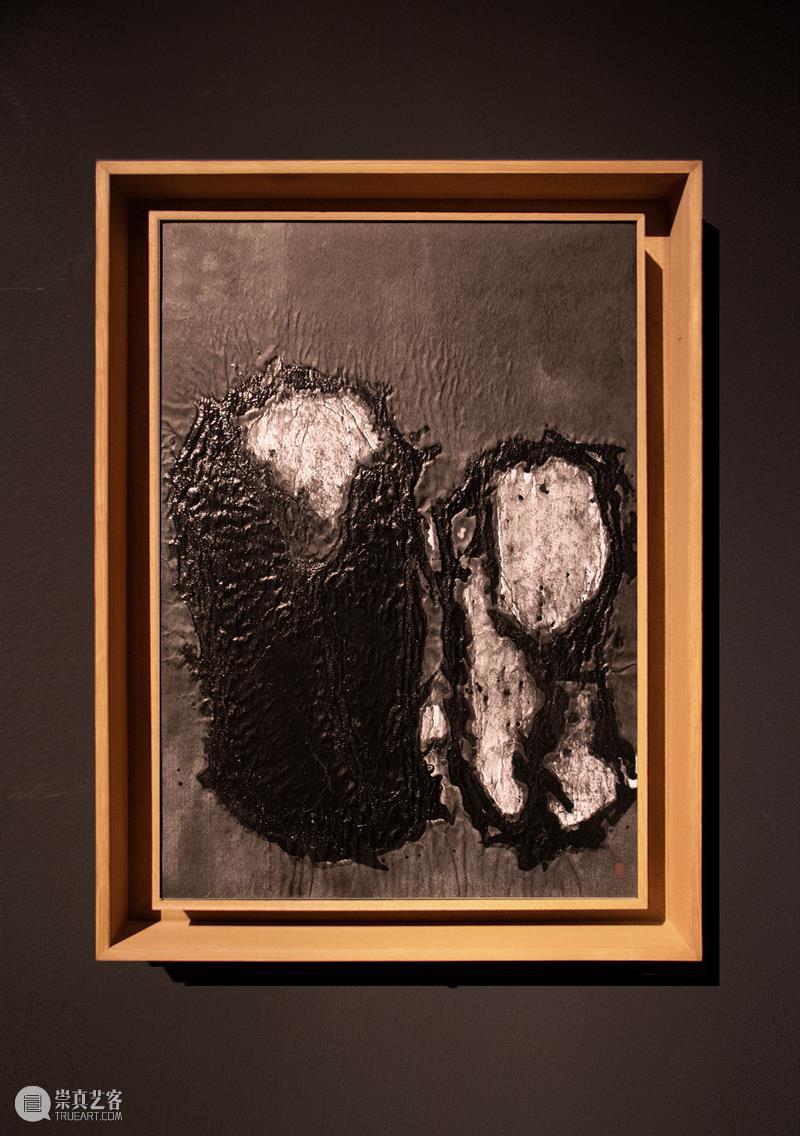
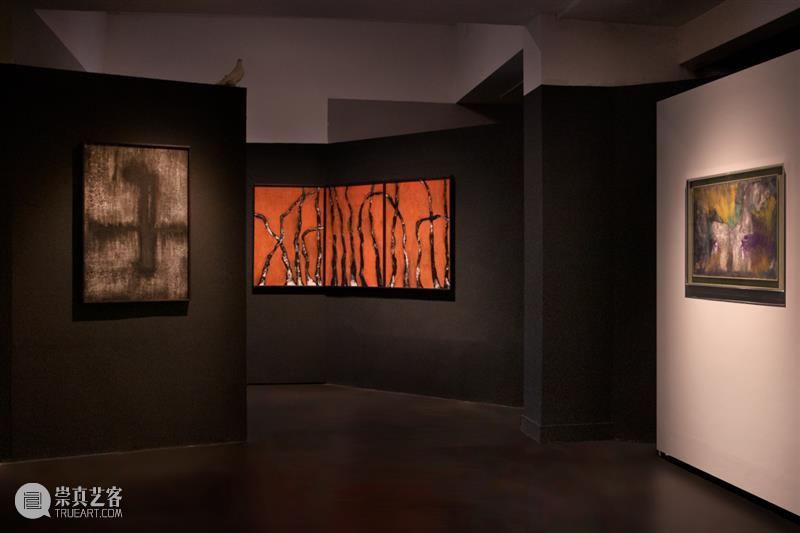
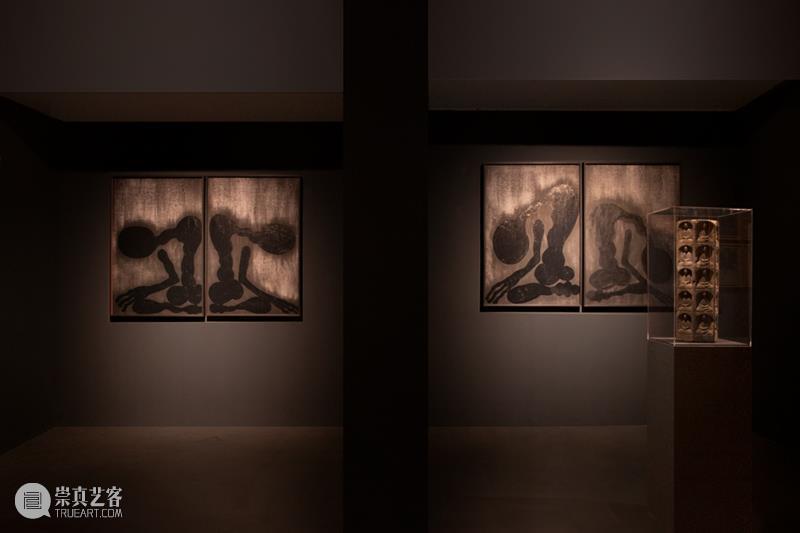
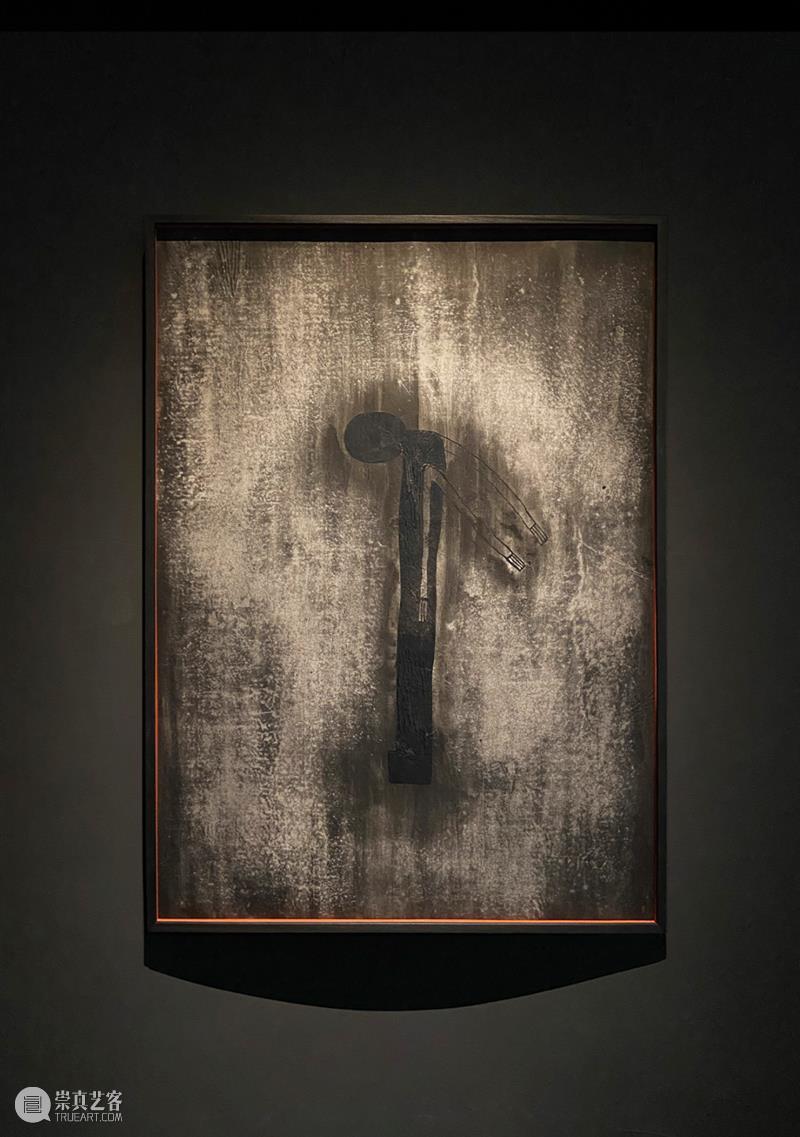
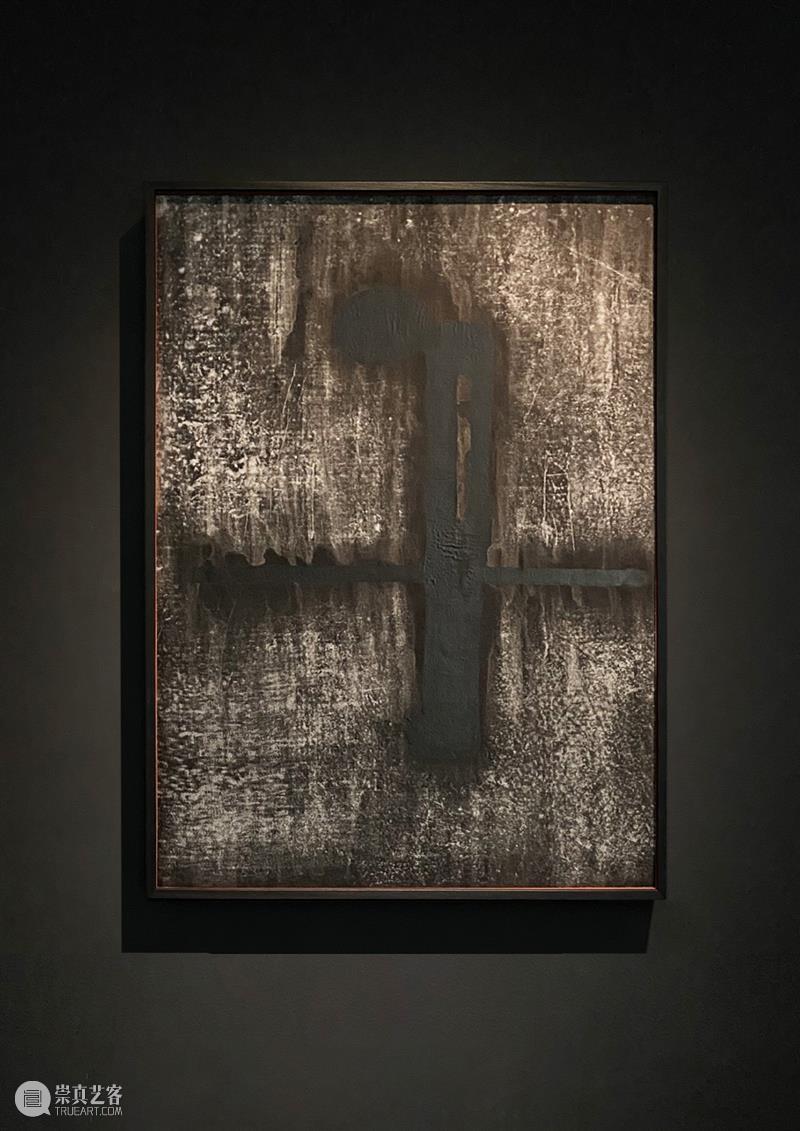
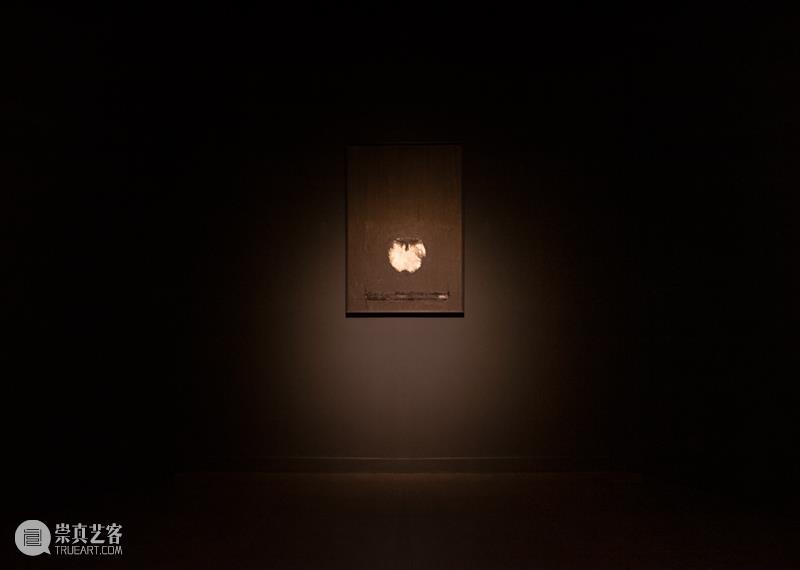
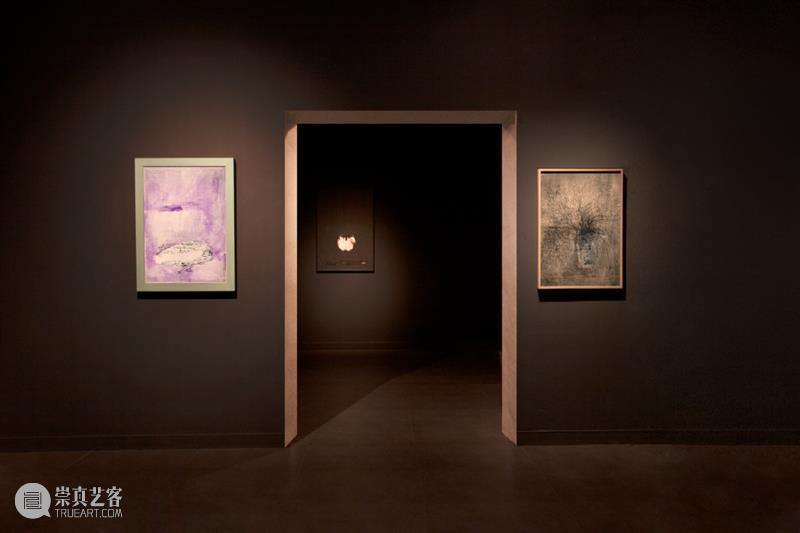
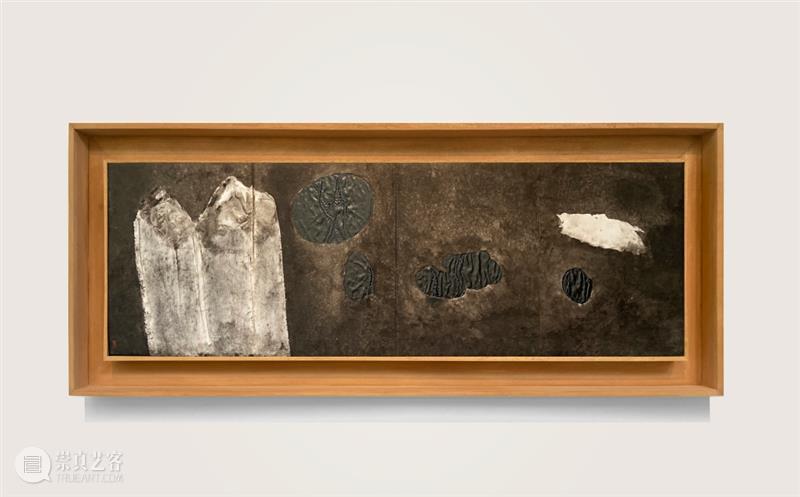
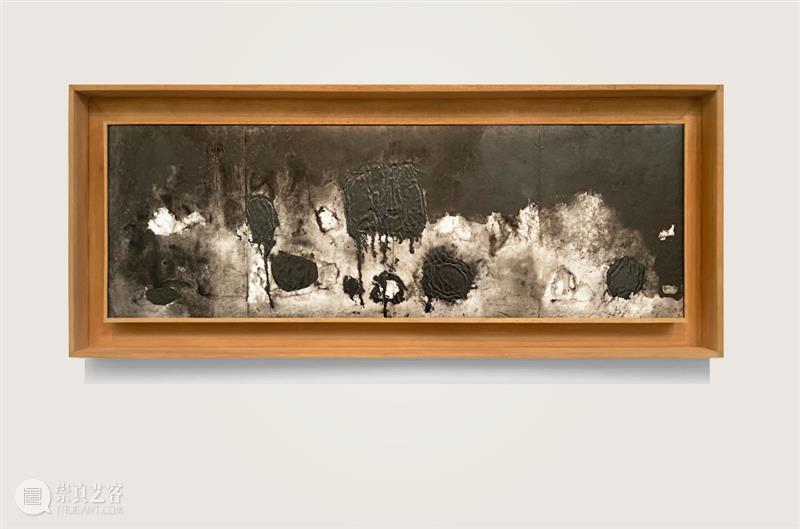
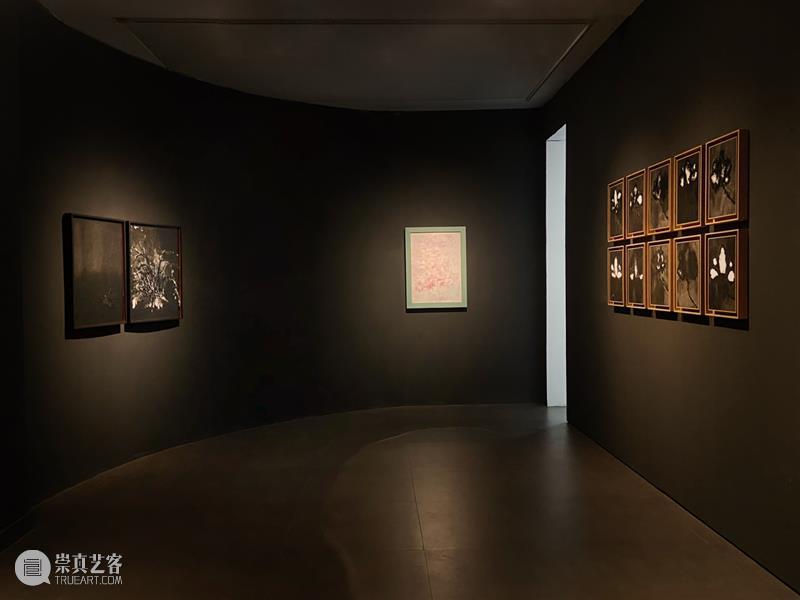
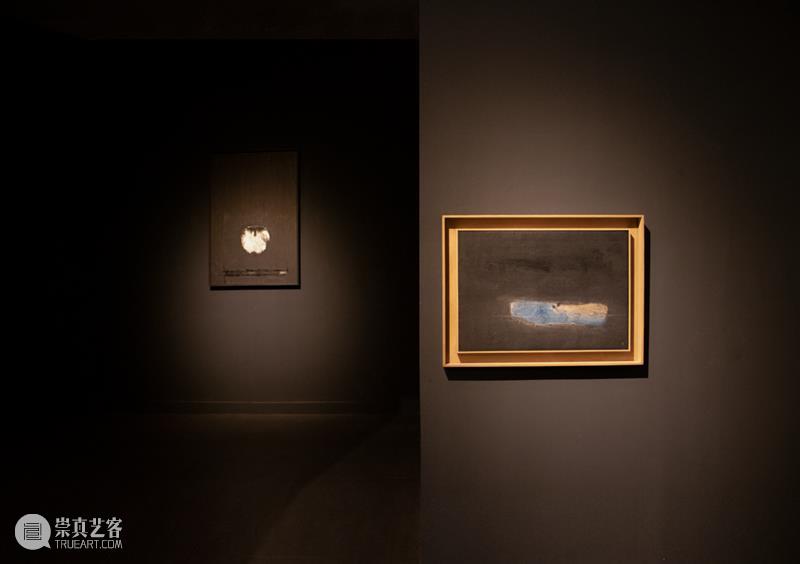
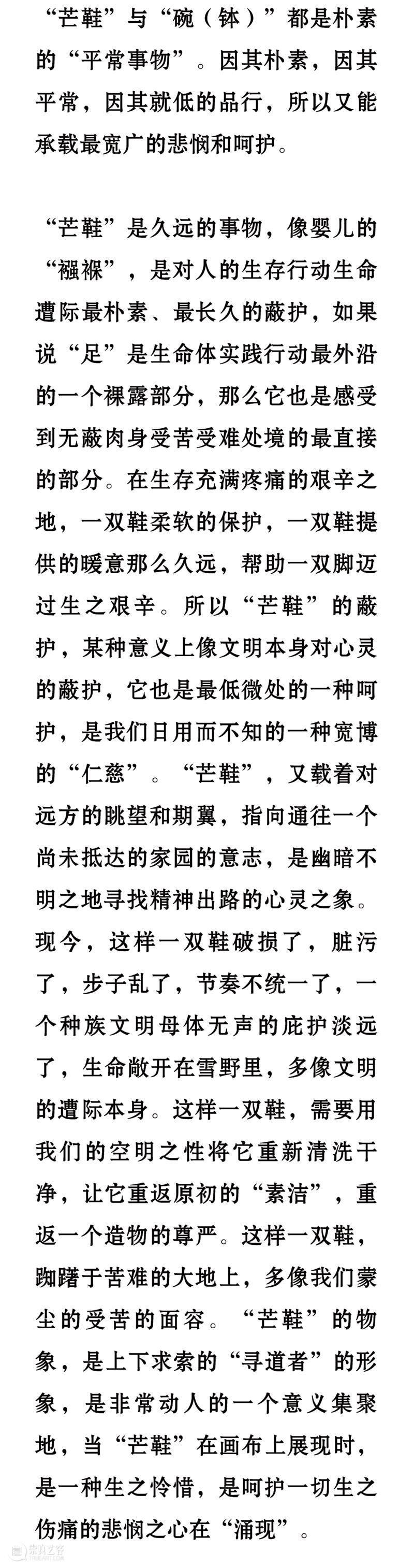
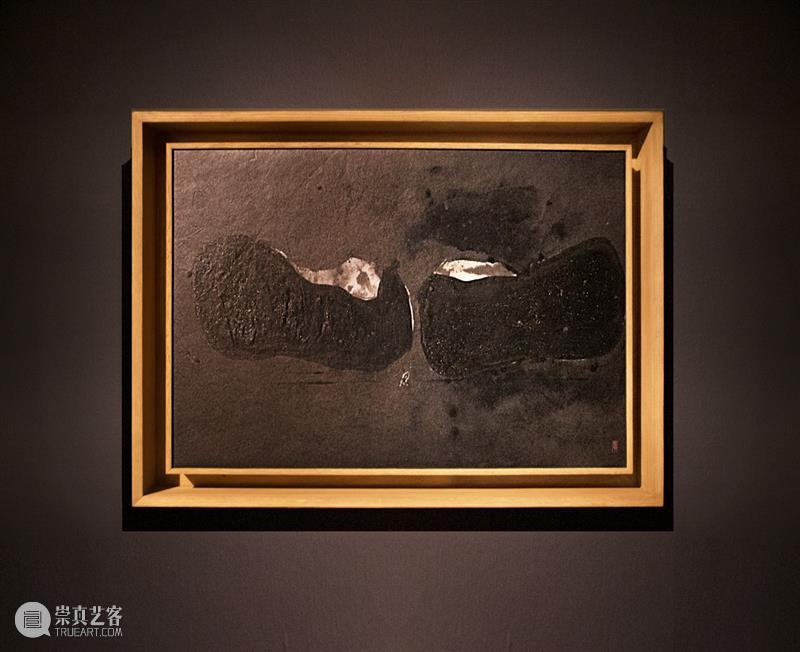
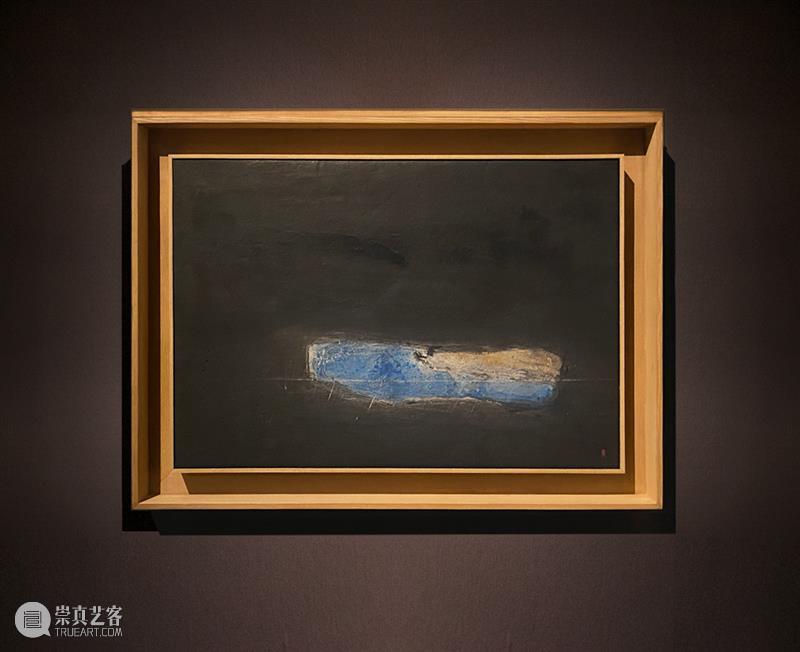
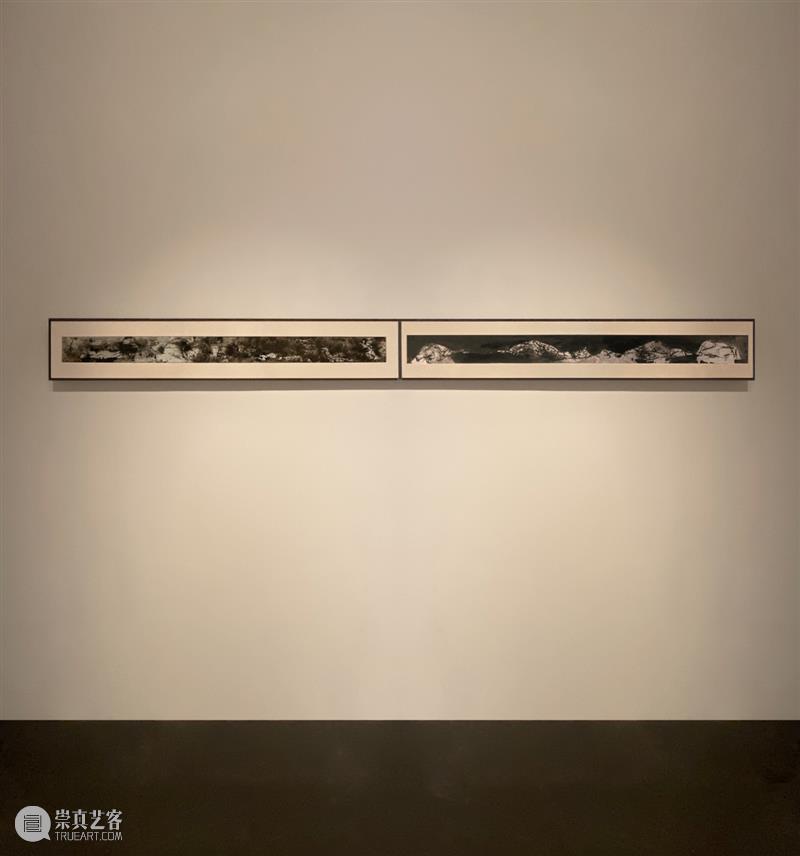
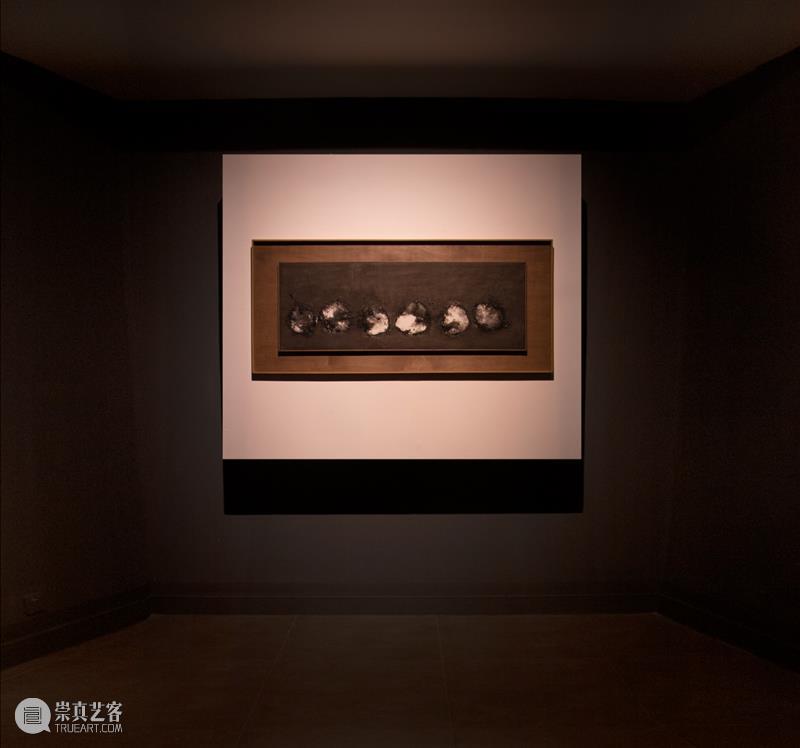
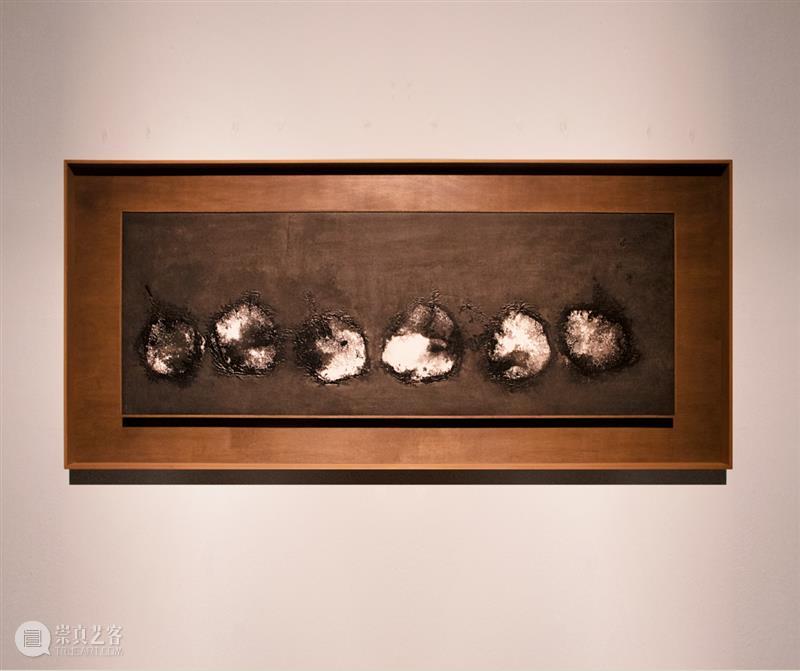
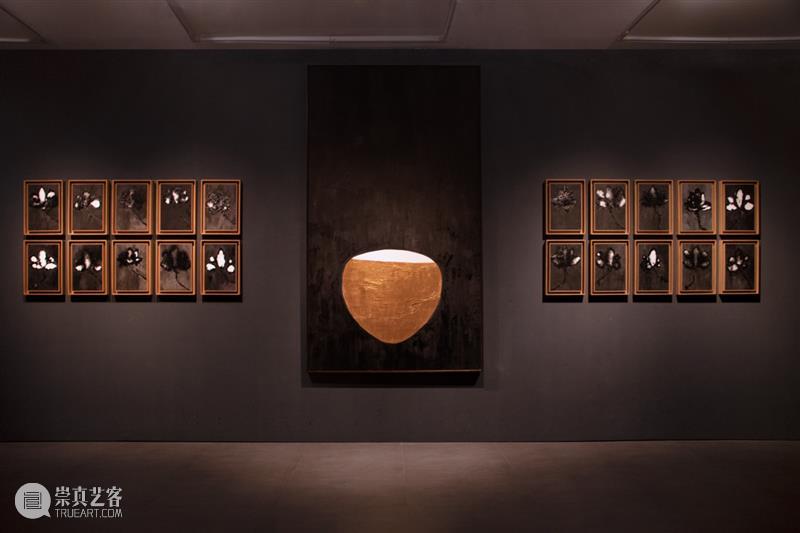
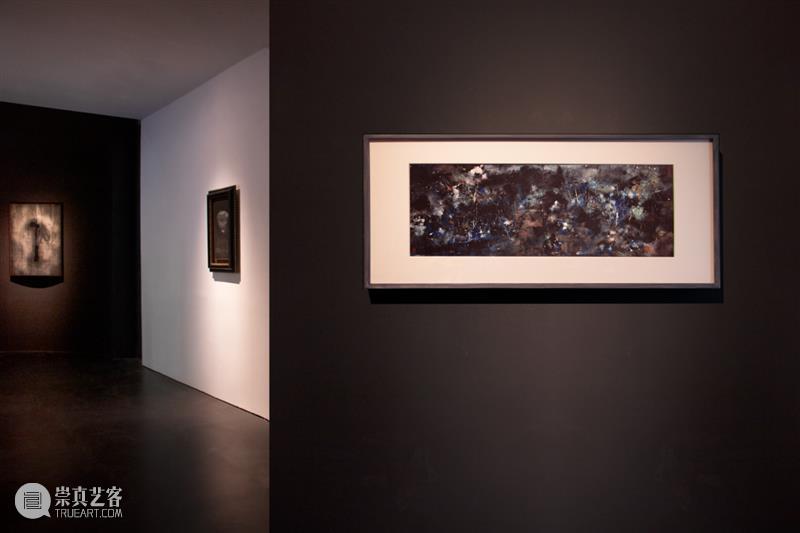
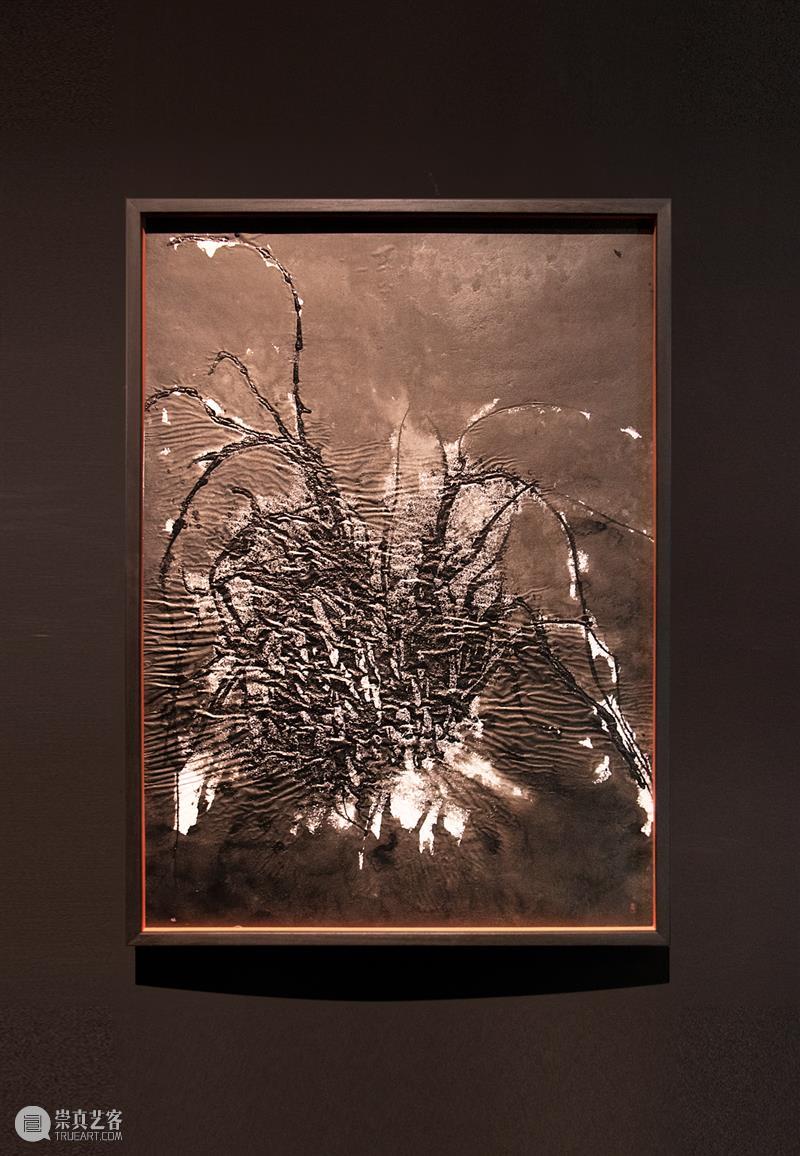
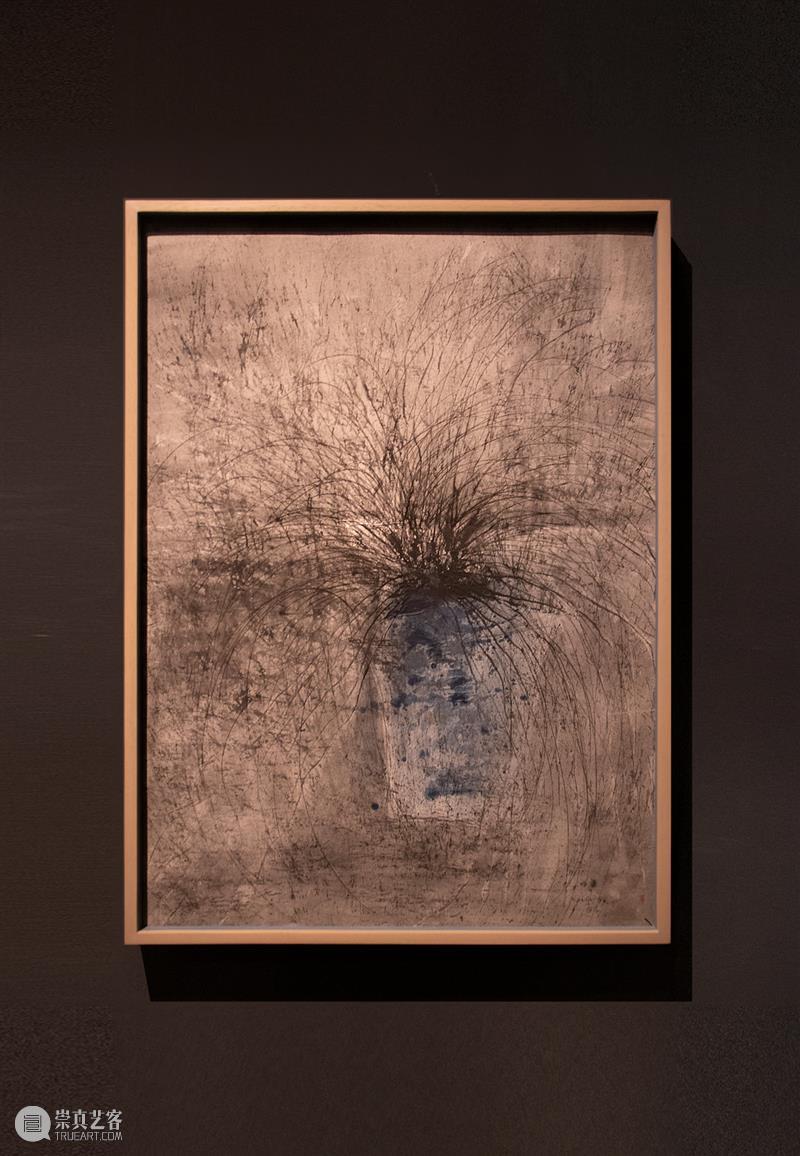
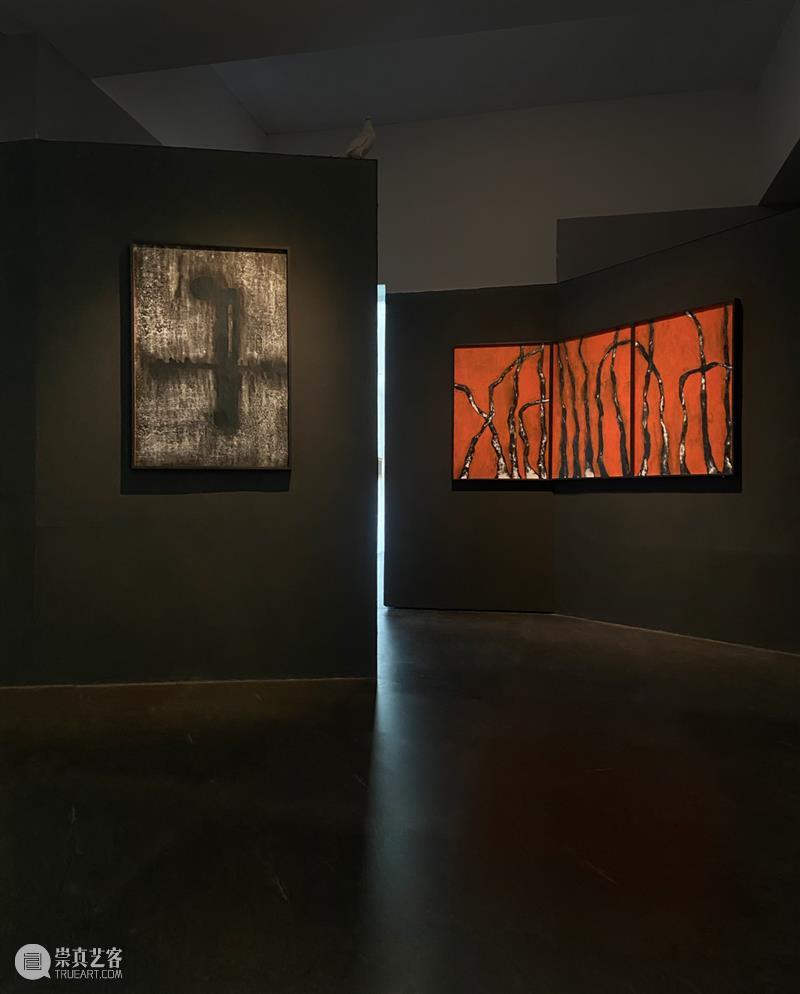
Some Chinese viewers have remarked that Yang's visual art is untraditional, perhaps too western, in its subjects or treatment. But his work clearly speaks for a human universality at the center of all art, precisely what lets viewers or readers from disparate cultures behold our shared condition. From another perspective, his prints and paintings are occasions for the all-encompassing dao to reveal itself subtly or directly, sometimes abstractly. A recent Yang Jian exhibit, at Nanjing's Librairie Avant-Garde, contained his portraits of simple shoes worn down by countless steps, mute but exemplary testament to all human passage on this earth.
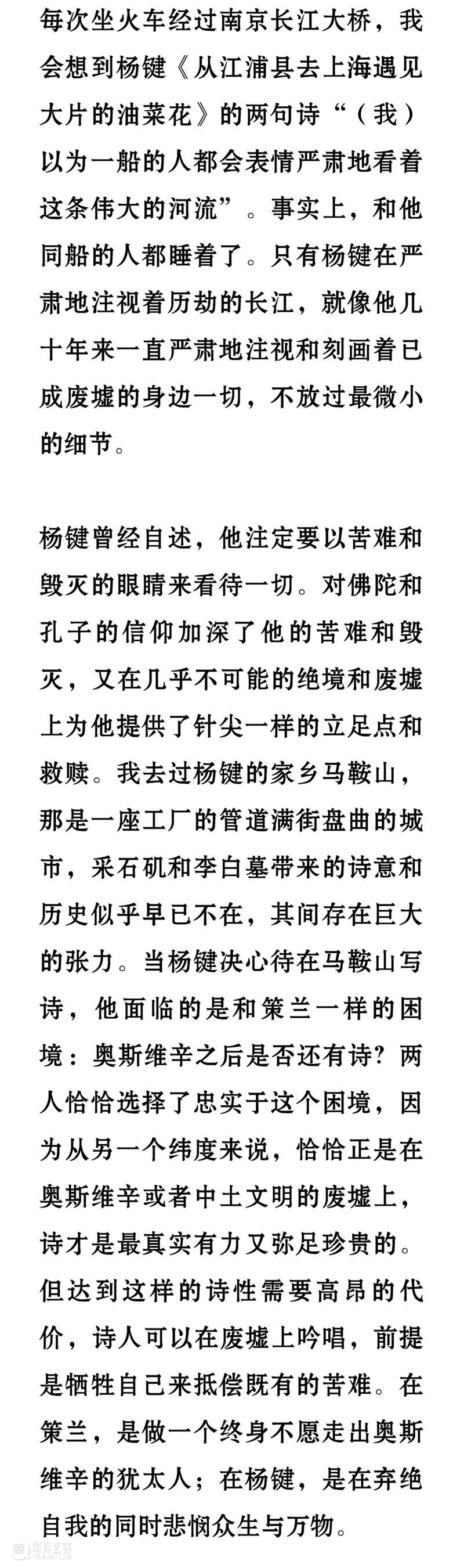
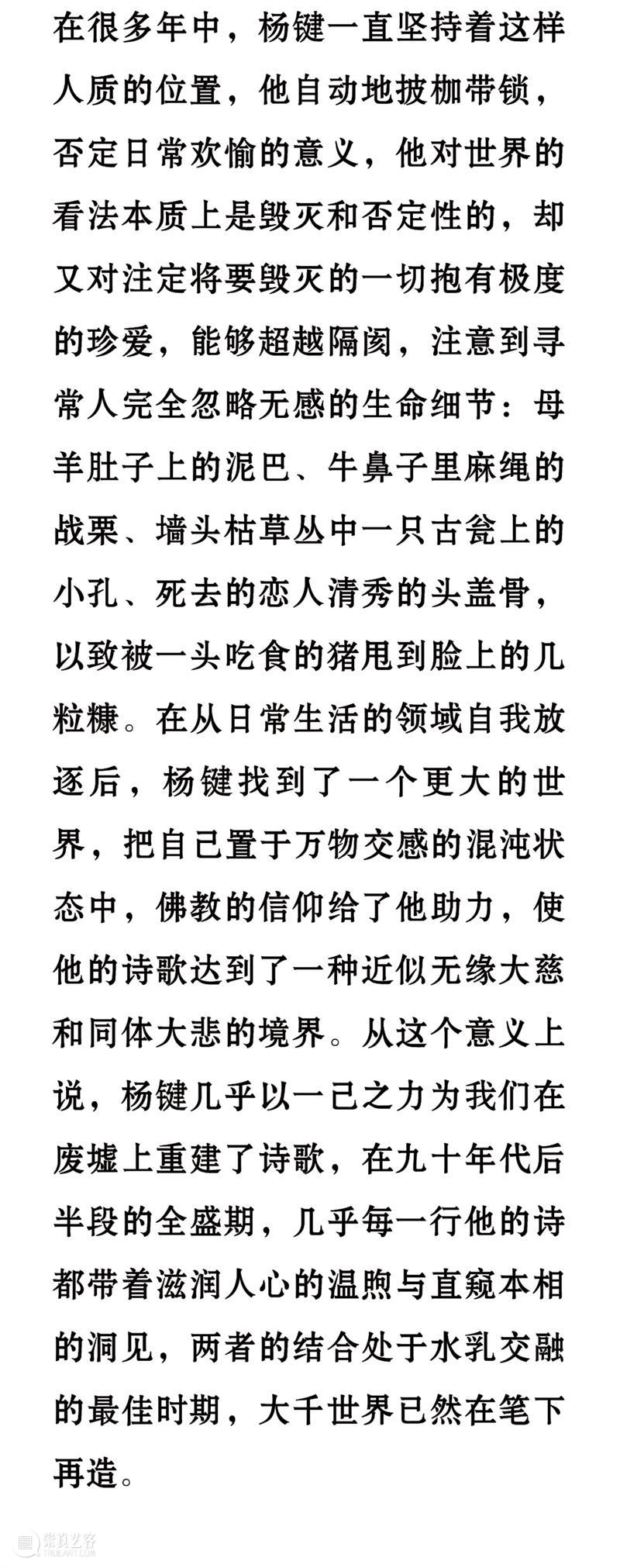
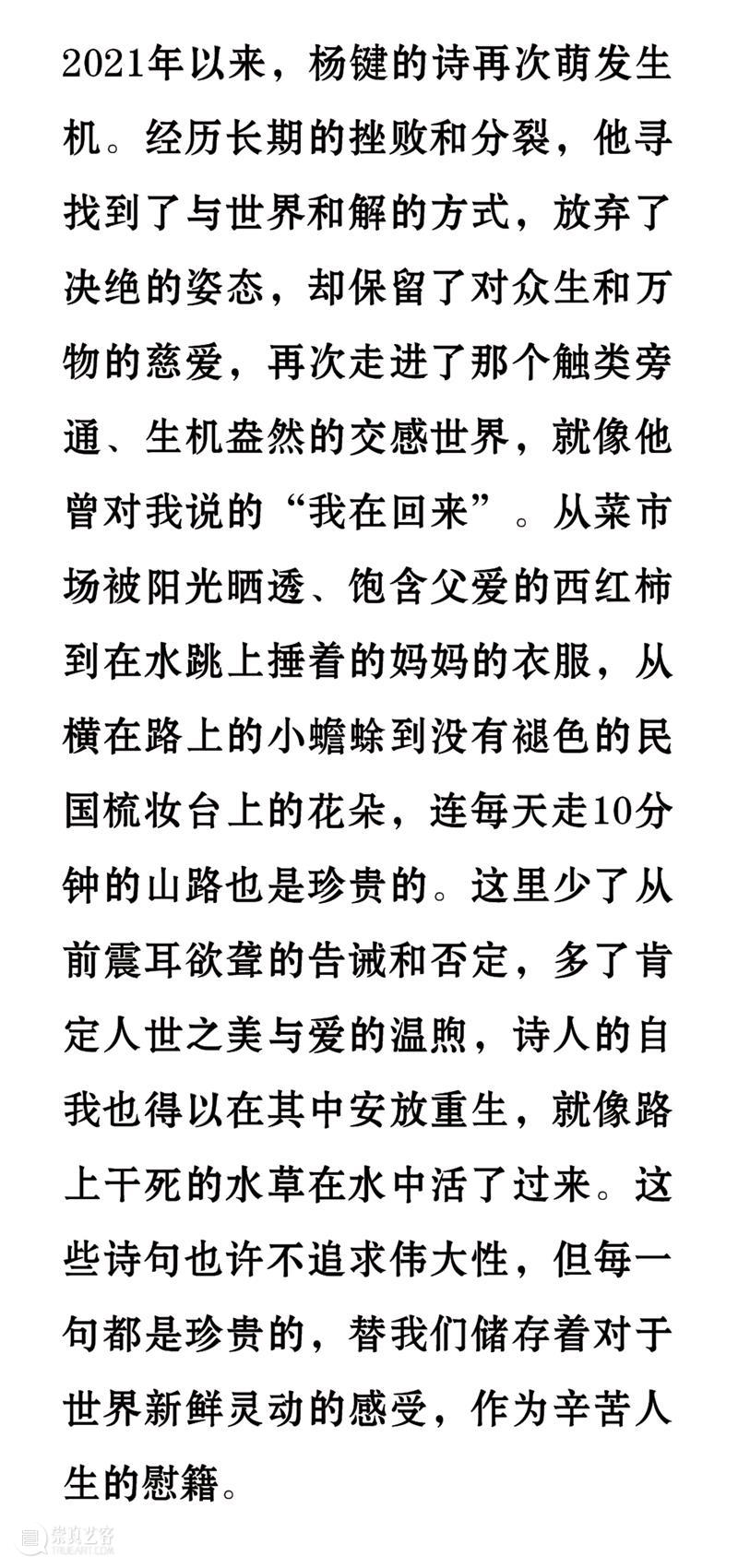
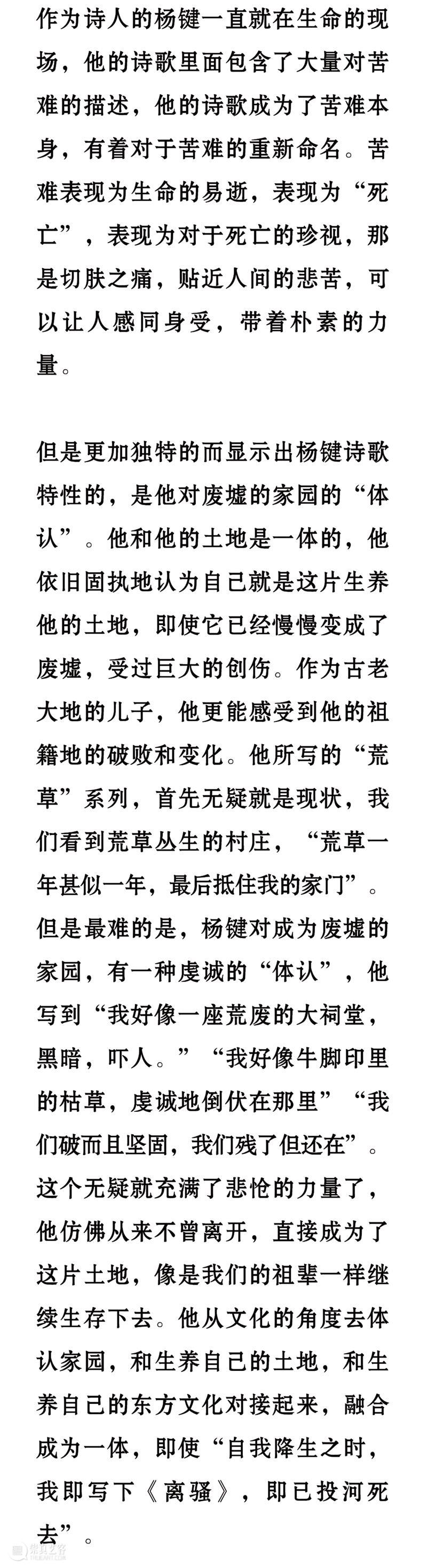
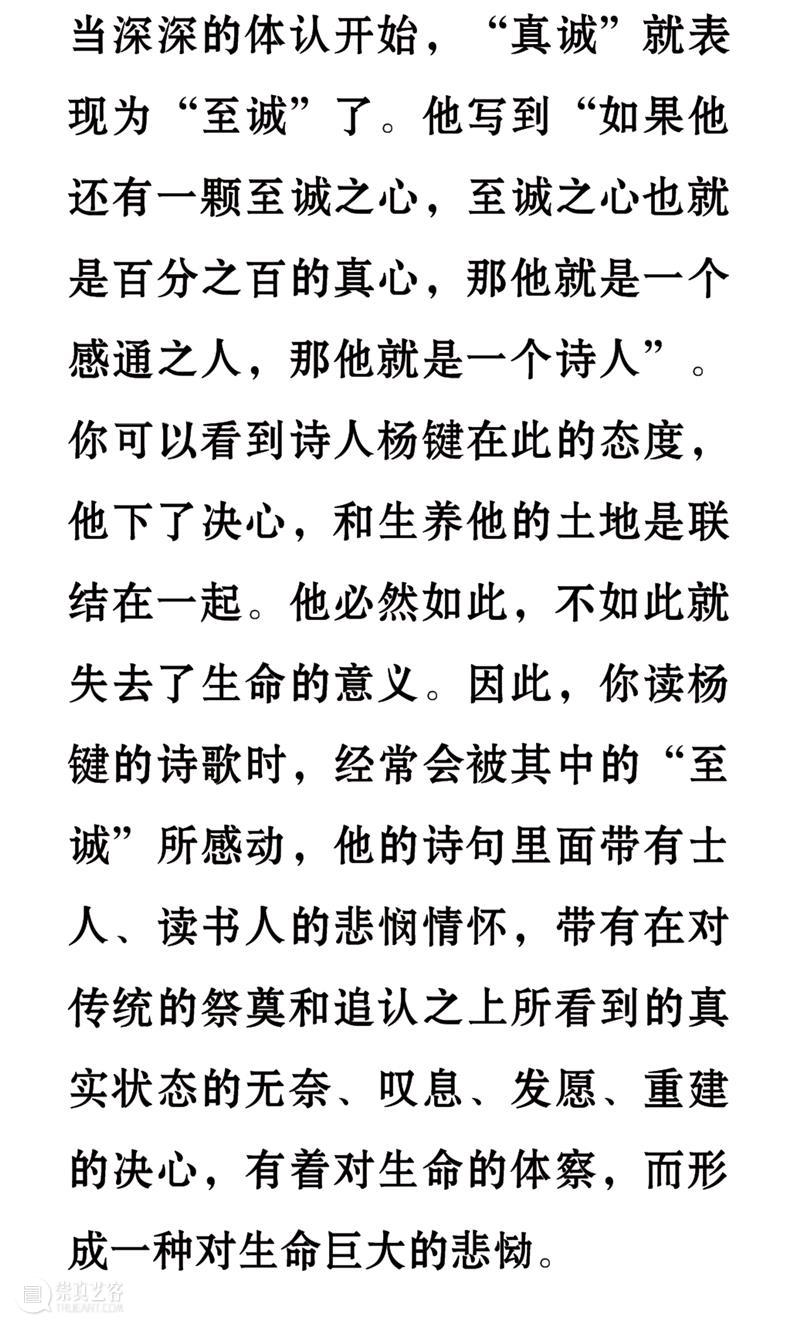
In Yang Jians's poems, perhaps less visible to urbanites east or west, are also calm presentations of death as it happens across the countryside, in whatever form. Never operatic, these may appear without fanfare, our sense of life sharpened by the presence of mortality. That such scenes draw from the poet's immediate surround strengthens their quiet power as testament.
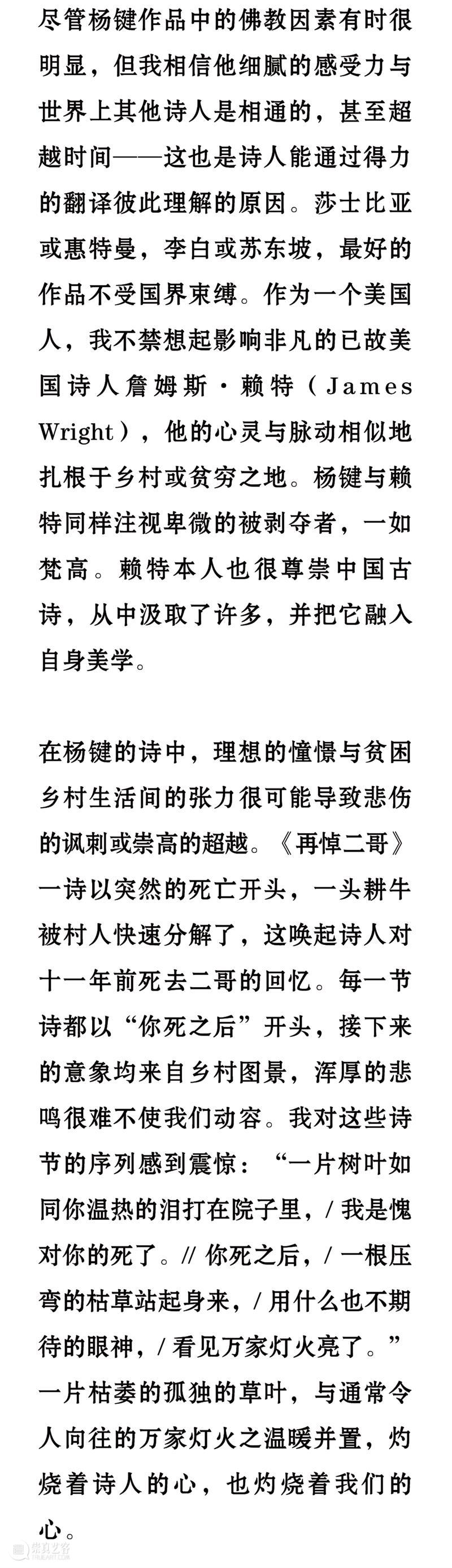
Though Yang's Buddhism may sometimes be evident, I believe aspects of his sensibility are shared one way or another by poets worldwide, and in fact across centuries—perhaps why poets so readily understand each other through good translation. Shakespeare or Whitman, Li Bai or Su Dong Po, the best work crosses many borders. As an American, I cannot help but remember the late and hugely influential James Wright, whose soul and impulses were similarly rooted in rural or impoverished places. Both Wright and Yang Jian invite the humble and dispossessed, as did Van Gogh. Wright himself revered classical Chinese poetry, and learned much from it, weaving its aesthetic into his own.
In Yang Jian's poems, tensions between visionary longing and the poverties of rural life may lead to sad irony or sublime transcendence. "Mourning My Elder Brother" opens with the sudden death and quick butchering of a plow ox, prompting recall of an elder brother's demise eleven years prior. Each of the poem's next three stanzas begin with the refrain "After you died", their subsequent images drawn from a country landscape, and so resonant with grief we cannot but be moved. I am struck by this sequence: "A leaf spins down to the yard. / I'm ashamed to face your death. // After you died, / a blade of yellow grass stood / hopeless before the lamps of a thousand houses." Here the dying, solitary grass blade, and the warmth of those glowing windows, normally welcoming, singe the speaker's heart, and ours.
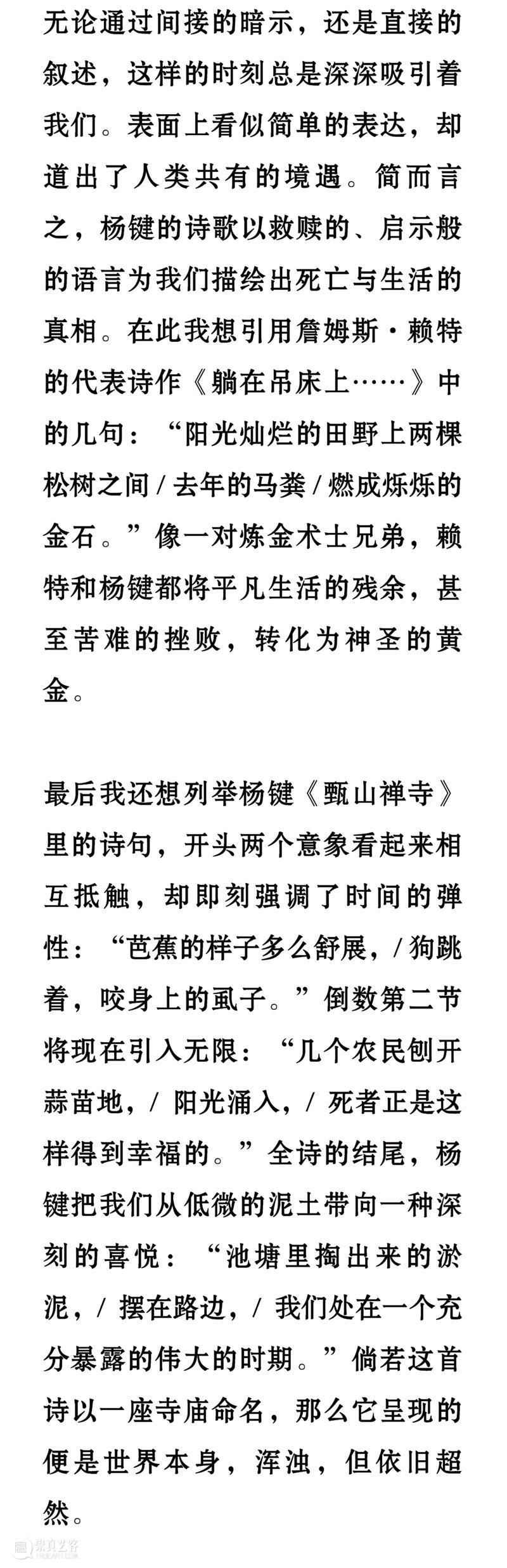
Whether suggested indirectly, or uttered outright, such moments profoundly engage us. For all their apparent simplicity or understatement, they speak to our shared circumstance. In short, Yang Jian's poems offer both mortal and living truth in language that redeems and illuminates. If I may quote from "Lying in a Hammock...", one of James Wright's signature poems, "In a field of sunlight between two pines, / The droppings of last year's horses / Blaze up into golden stones." As brother alchemists, both Wright and Yang Jian transform the ordure of the ordinary, even the defeated, into blesséd gold.
As a last example, Yang Jian's "Zhen Mountain Temple" begins with two images of time, ostensibly opposed, but at once addressing duration's elasticity: "So slowly a banana leaf unfurls. / The dog jumps, nips at fleas." The penultimate stanza then shifts from the present to the indeterminate: "A few farmers hoe among the garlic sprouts, / sunlight gushing. / How the dead gain happiness." In its final lines, Yang transports us from the humblest mud to the joy of deep understanding: "Muck scooped from the pond / lies beside the footpath. / Our days are lived in utter revelation." If the poem's title names a temple, the only one offered is the world itself, muddy yet still transcendent.
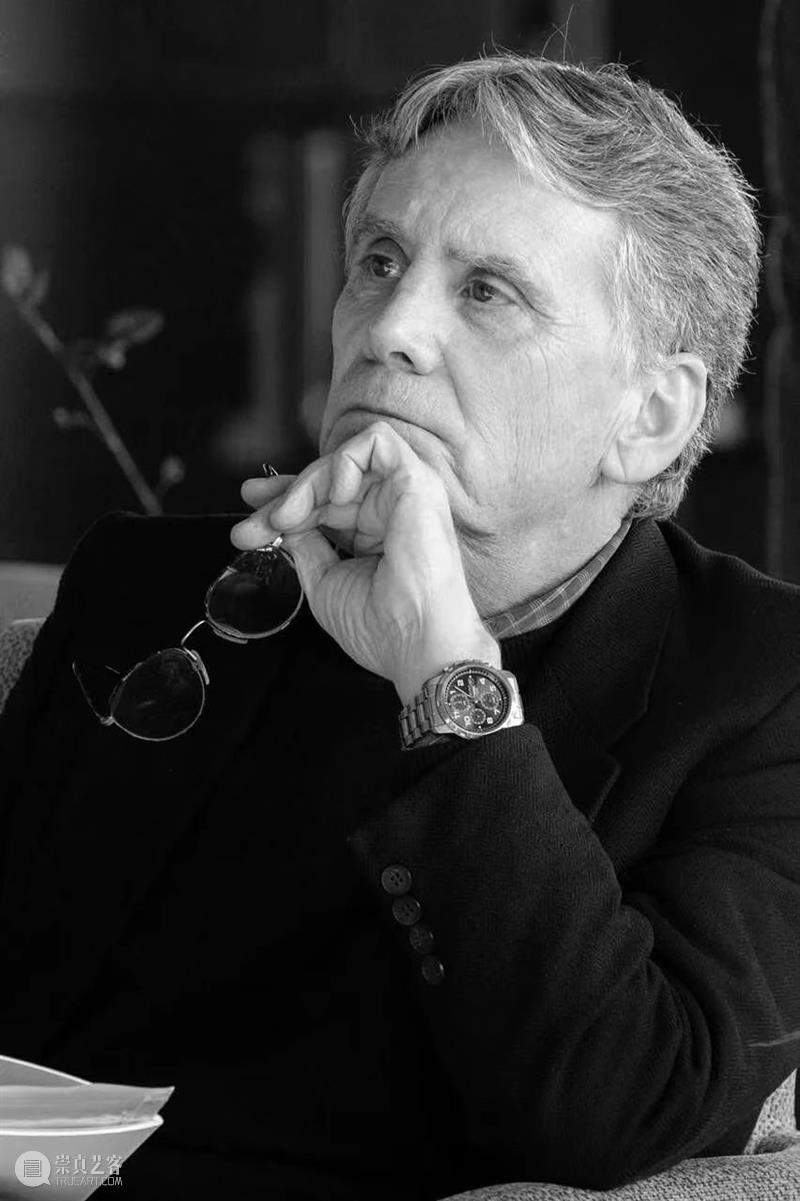
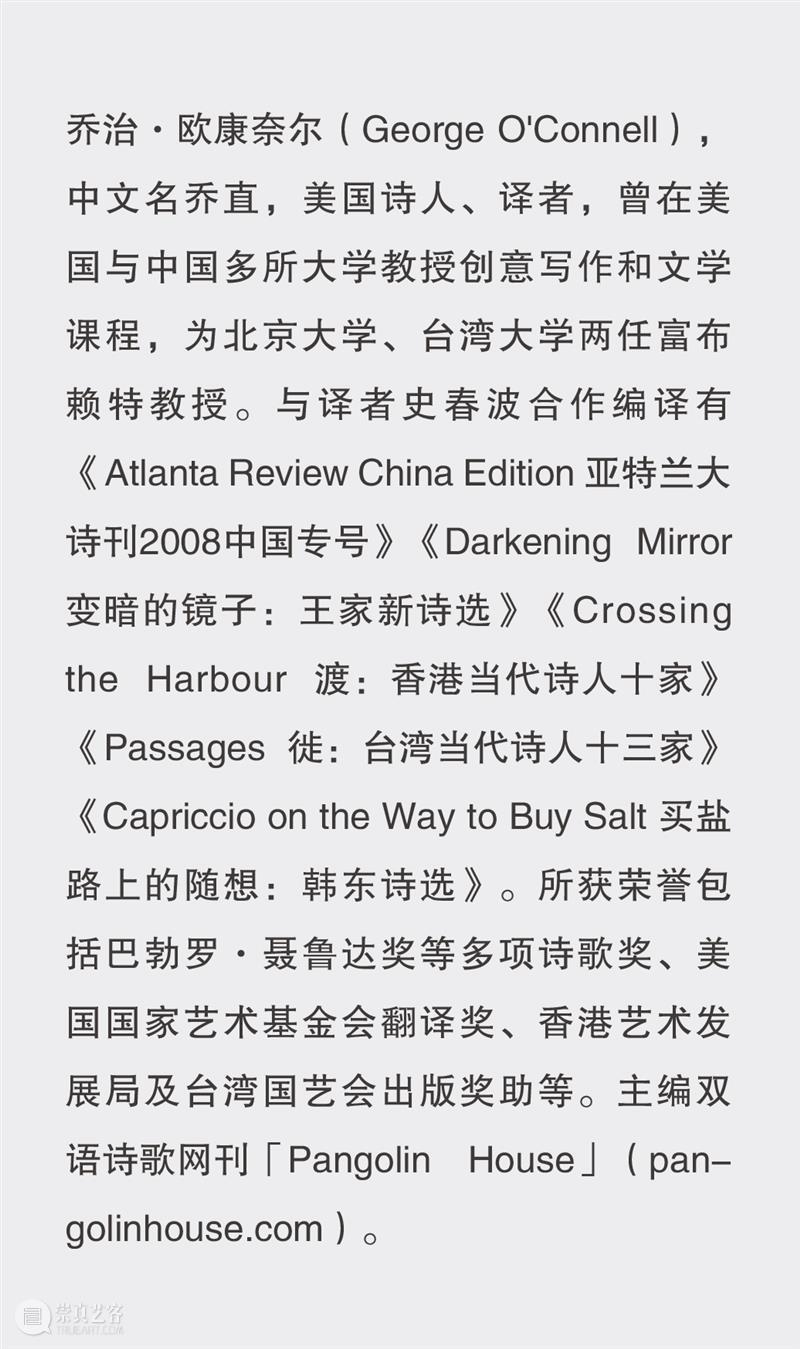
George O'Connell









 {{newsData.good_count}}

 {{newsData.transfer_count}}




 分享
分享