
【展讯】尹建丰:当代中国的新地景|北京
展览
EXHIBITION
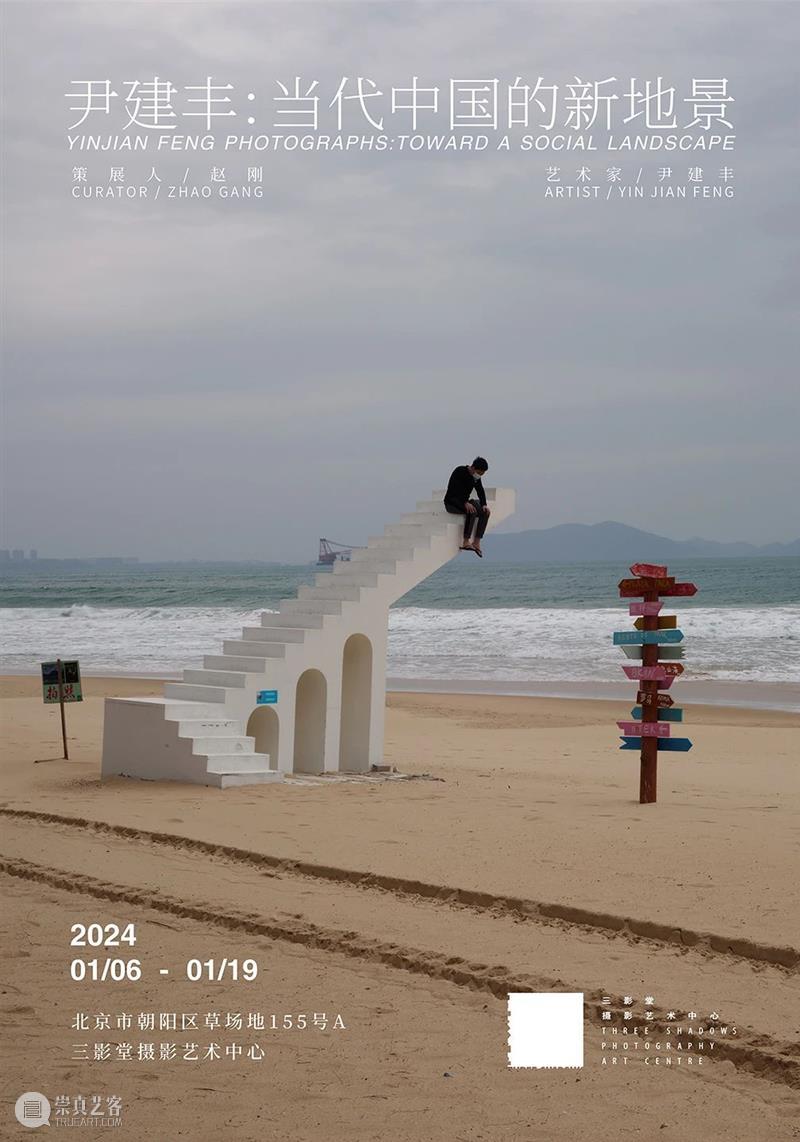
尹建丰个展
尹建丰:当代中国的新地景
艺术家:尹建丰
策展人:赵刚
展期:2024.01.06 — 01.19
地址:北京市朝阳区草场地155号A三影堂摄影艺术中心
● Please scroll down for English
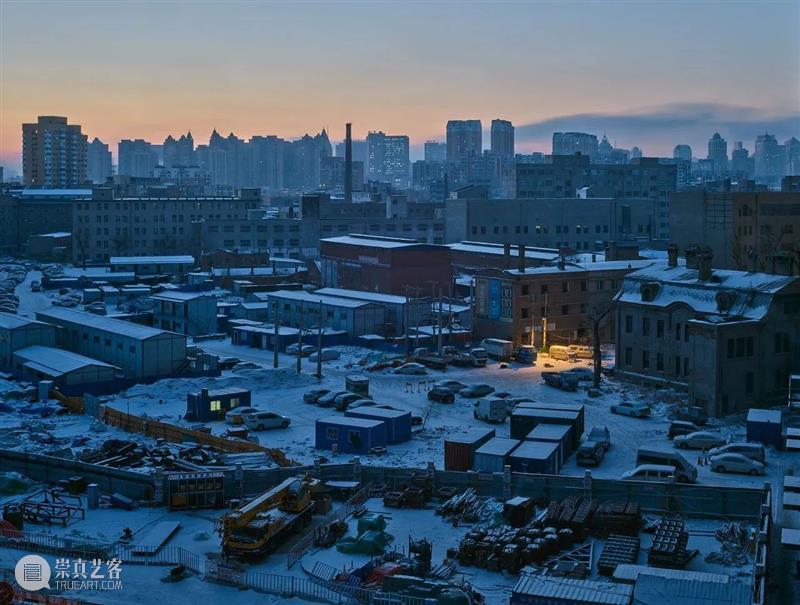
哈尔滨市道外区地铁三号线施工现场
Construction site of subway line 3 in Daowai District, Harbin, 2022
数年间,尹建丰来往于大江南北,目之所及,思之所至,成就了这些当代中国的新地景影像。
这是一些看上去非常“平常”的影像,既没有传统的叙事与视觉冲击力,也没有国内当代艺术常见的深奥酷炫。
那么,尹建丰这些影像的价值何在?换言之,这个展览的意义何在?
众所周知,二十世纪六七十年代美国乔治·伊斯曼博物馆曾举办过两个重要的展览,深刻地影响了当代摄影的走向:其一,1966年的《当代摄影师:向着社会的风景》(Contemporary Photographers: Toward a Social Landscape);其二,1975年的《新地形学:人为改变的风景的照片》(New Topographics: Photographs of a Man-altered Landscape)。这两个展览总结概括了其时近10年间西方摄影界在“风景”(Landscape)领域的探索,由此出发,形成了“社会的风景”(Social Landscape)、“人为改变的风景”(Man-altered Landscape)的概念,直接促成了当代摄影中“景观摄影”的出现。在国内,特别侧重于后一展览的“新地形学”概念,又常常将当代的景观摄影称为“新地景”。在此让我们进一步思考,当代新地景的精神内核(或曰艺术逻辑)到底是什么?
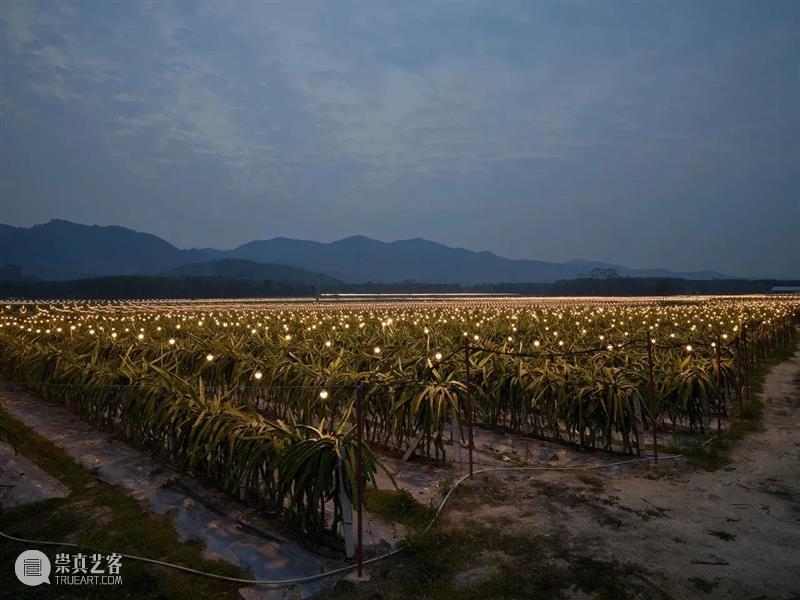
勐腊县曼龙勒村南腊河上游
The upper reaches of the Nanla River, Manlongle village, Mengla, 2023
本质上,无论是“社会的风景”,还是“批判的风景”,都是对“风景”(Landscape)一词的外延的扩张:十九世纪后半期至二十世纪初期的画意摄影时期,摄影家聚焦的“风景”主要是传统自然风光、乡村田园风光,进而扩展至工业文明、都市文明;在走过摄影本体探索时期之后,二十世纪六七十年代摄影家的镜头更多地对准了人与都市叠加形成的“社会的风景”,再走向对人与自然相互作用形成的“新地形学”式的“人为改变的风景”的凝视。这一路径构成了当代摄影中的景观摄影的内在走向——出发点是“景”,目的是“观”,即“由景到观”——摄影家通过眼前的景象,表达心中的观点。也就是说,当代的“新地景”,重在画面背后的观点与思想,而不是所摄景象。
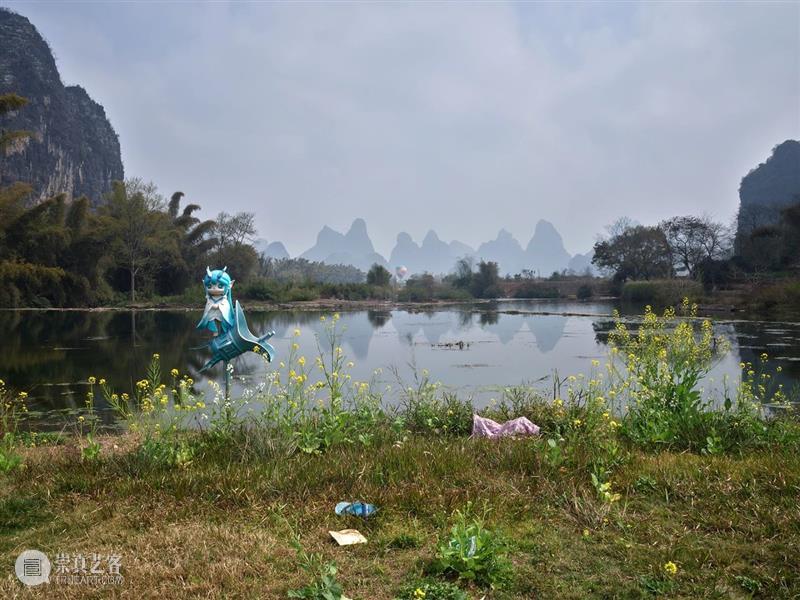
桂林市阳朔夏家村
Xiajia Village, Yangshuo, Guilin, 2023
让我们从更大的维度来审视摄影这一“由景到观”的发展演进。纵观摄影史,摄影艺术发展至今,出现了三个主要的审美阶段,即从最初的“被摄体之美”,到“摄影之美”,再到当代的“思想之美”。
在摄影最初的审美阶段,摄影师着眼于展现被摄体自身之美,动用摄影的各种手段努力将这种美描绘好。时至今日,仍然有很多摄影人追寻着春花秋月、朝霞落日、风霜雨雪、俊男靓女……这种审美的基础与主宰来自被摄体,照相机与照相机背后的那颗脑袋处于从属地位,同时同地面对同一个“美”的被摄体,照片非常容易落入千人一面的尴尬境地。
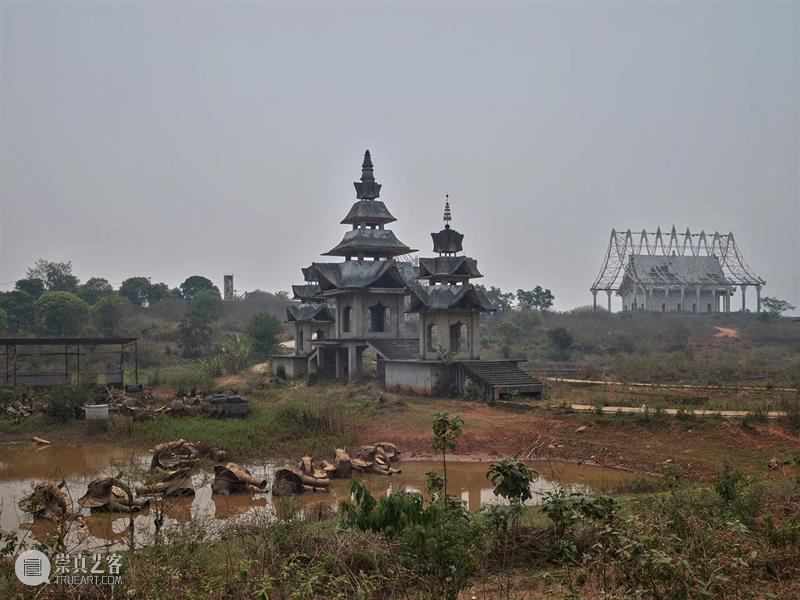
勐海县勐遮镇景真村八角亭
Octagonal pavilion, Jingzhen Village, Menghai Town, Menghai, 2023
在“摄影之美”阶段,摄影进入了探索摄影这一艺术媒介自身特性的阶段,发掘摄影本体之美。例如,安塞尔·亚当斯(Ansel Adams)发展出以“预想”和“区域曝光法”为基础的成体系的摄影思想与技术手段,将摄影的清晰度、影调、质感等集中升华为摄影的“精致审美”;而亨利·卡蒂埃-布列松(Henri Cartier- Bresson)则利用“决定性瞬间”,将摄影的“瞬间审美”发挥得淋漓尽致。在他们手里,照相机成为将日常万物万事化平凡为神奇的魔盒,影响深远。
在完成对摄影自身之美的发掘之后,摄影艺术进一步走向了个人化的道路——个人化的观看、个人化的表达,在这个用摄影进行个人思考、展现艺术家个人观点的新阶段,“思想深刻”成为当代摄影艺术作品水准的评判标准。从“社会的风景”到“人为改变的风景”,再到当代的“景观摄影”,正是这一“思想之美”艺术逻辑的自然延伸。
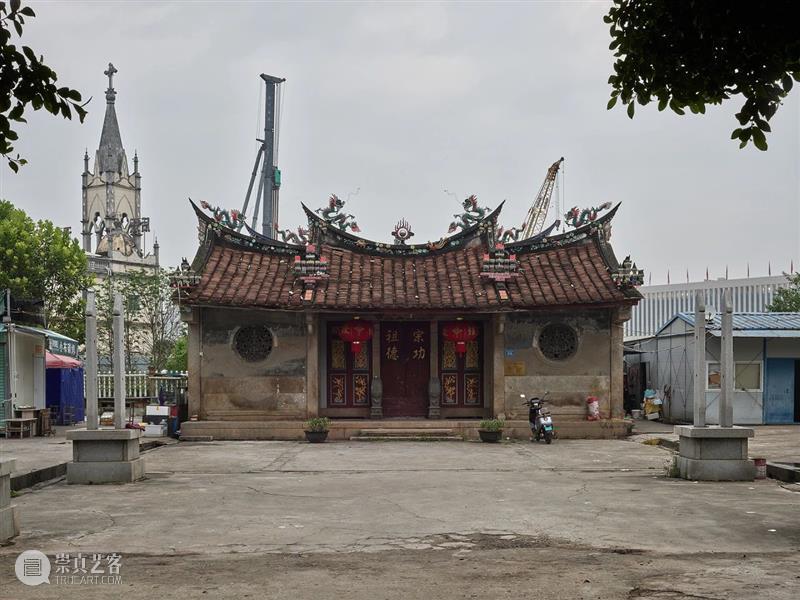
漳州市工业园区严氏祠堂旧址
Former site of Yan Ancestral Hall in Zhangzhou City Industrial Park, 2023
尹建丰对当代中国的观察,源自他个人长期的观看与思考,在此基础之上建立了“再现与再生”的个人化的表达模式:在他的新地景影像中,常常展现着一种“不和谐”——画面中的很多元素不是其所在的环境中原生的,而是被生搬硬套、强行嫁接进去的。正因为如此,这些元素出现在那里,仅仅只是一种“再现”而已,进而形成了值得批判的“刻奇”(Kitsch)之所在。这许多文化符号、消费符号等等,因为各种原因,在当代中国的土地上以一种另类的方式侵入并生长,构造出一种迥异于原来文化生态的“再生”。面对这样的“再现与再生”,尹建丰流露出隐隐的不安与悲伤,选择用“再现”这些场景的方式,完成了他个人化的温和但有效的批判。
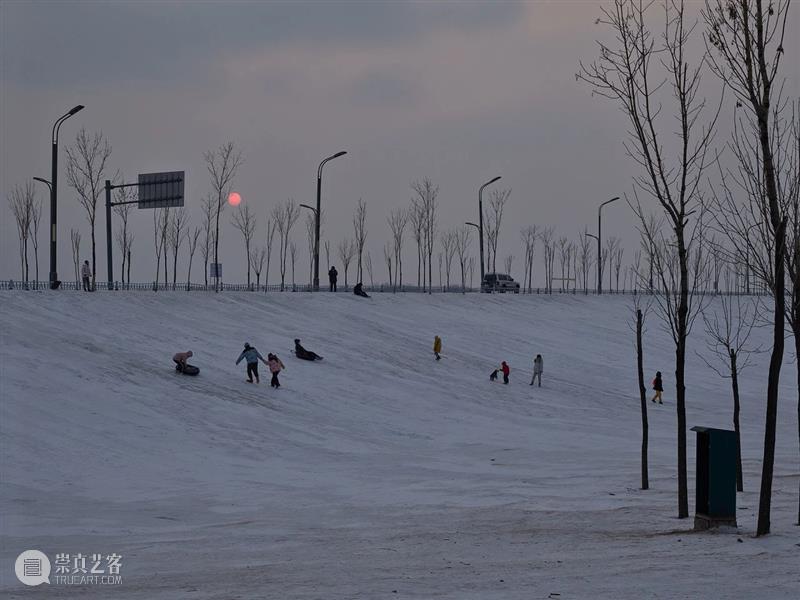
哈尔滨市道里区机场路
Airport Road, Daoli District, Harbin, 2023
对西方艺术的深层次借鉴,是尹建丰作品的另一特色。尹建丰深谙西方艺术史,常以世界经典绘画作品的精神“以画入影”:一轮冬日之下,皑皑雪坡之上,滑雪橇戏耍的人们欢声笑语;独自开车来到高高大桥之下,在冰面之上悠然垂钓的男子……这些画面不禁让人联想到十六世纪荷兰画家老勃鲁盖尔(Bruegel Pieter)描写欧洲冬季打猎和冰面娱乐的风景画。面对这些影像,不禁让人感叹并思考,四百年时光过去,即使如今身处消费社会,人类喜欢玩乐的天性依然如故。
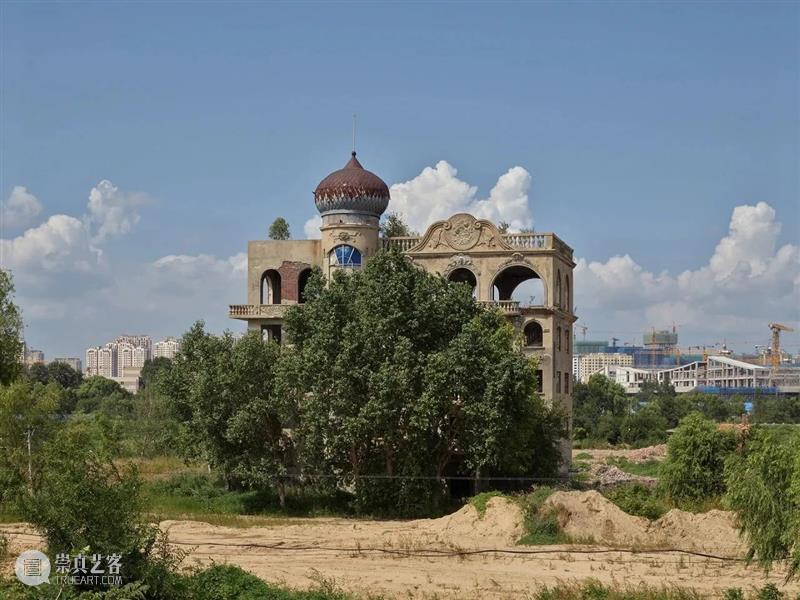
哈尔滨市松北区中原大道
Zhongyuan Avenue, Songbei District, Harbin, 2021
在尹建丰这次的展览作品中,还有一类颇具个人特色的“影像背后充满故事”的新地景,例如某一个挂着不同寻常的公司名牌的加油站,影像背后是海南曾经的一段改革往事;一栋孤独耸立的楼房,却有一个惊悚的社会故事……与美国著名摄影家乔尔·斯坦菲尔德(Joel Sternfeld)的摄影集《此地》(On This Site)——曾经发生过令人无法忘怀的悲剧的地点的影像清单——颇有异曲同工之妙。这样的“故事影像”,无疑大大扩展了传统新地景的叙事厚度,提升了社会指向的精确度。
尹建丰的当代中国的新地景,揭示了当代摄影的基础——思想,无思想不艺术,无思想不当代。这些充满思辨的影像,秉承“社会的风景”、“人为改变的风景”的精神脉络,秉承艺术家个人的观看、感受、思考,给我们丰富的启示。尹建丰作品的价值正在于此,这个展览的意义也在于此。
赵刚
2023年12月
艺术家
ARTIST
尹建丰,工学硕士,出生于黑龙江,现居广州。2018年参加加拿大CONTACT 国际摄影节举办个展,2018年获金路奖提名。
策展人
CURATOR
赵刚,英国摄影硕士,中国摄影家协会摄影理论委员会委员。曾任北京奥运会摄影专家、中国摄影出版社副社长等职,现从事摄影艺术创作、摄影史论研究。多次在国内外举办个人摄影展,著有《留学摄影》、《世界摄影美学简史》。
Yin Jianfeng Solo Exhibition
Yin Jianfeng Photographs:
Toward a Social Landscape
Artist: Yin Jianfeng
Curator: Zhao Gang
Duration: Jan 6 - Jan 19, 2024
Location: 155A, Caochangdi, Chaoyang District, Beijing, Three Shadows Photography Art Centre
Text/Zhao Gang
In the past decades, Yin Jianfeng has traveled around the country and even around the globe, what he has seen, and thought has contributed to these social landscape images of contemporary China.
These are some very "ordinary" images, without the traditional narrative or the force of visual impact, nor the abstrusity that is common in domestic contemporary art.
So, what is the meaning of these images by Yin Jianfeng? In other words, what is the meaning of this exhibition?
The George Eastman Museum in the United States in the 1960s and 1970s organized two important exhibitions that profoundly influenced the direction of contemporary photography: Contemporary Photographers: Toward a Social Landscape in 1966 and New Topographics: Photographs of a Man-altered Landscape in 1975. These two exhibitions summarize the exploration of the field of "landscape" in Western photography in the past 10 years, from which the concepts of "Social Landscape" and "Man-altered Landscape" were formed, directly contributing to the rise of "landscape photography" in contemporary photography. The domestic photography community focuses particularly on the concept of "new topography" from the latter exhibition, and often refers to contemporary landscape photography as "new landscapes" (social landscapes). Here let us think further, what is the spiritual core, in other words the artistic logic, of the contemporary new landscape?
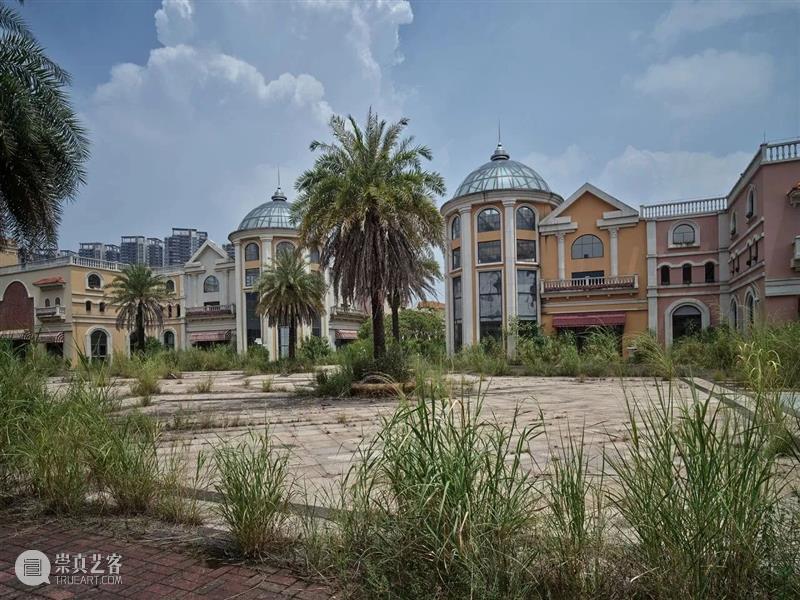
广州市佛山奥特莱斯废址
Guangzhou, Foshan Outlet wasted site, 2023
In essence, both "social landscapes" and "critical landscapes" are extensions of the term "landscape": During the period of Pictorialism from the second half of the 19th century to the beginning of the 20th century, photographers focused on "landscapes" that were mainly traditional natural scenery and rural scenes, and then expanded to industrial and urban civilizations. After a period of exploring the ontology of photography, photographers in the 1960s and 1970s focused more on the "social landscape" formed by the combination of human beings and the city, and then gazed at man-altered Landscape, which followed the mode of the“new topography” formed by the interaction between human beings and nature. This route constitutes the inherent direction of landscape photography in contemporary photography - the starting point is landscape, the purpose is the point of view, the photographers expressed their point of view in his heart durch the viewpoints they chosen, namely the landscape they photographed. In other words, the contemporary "new landscapes" emphasize the point of view and ideas behind the images rather than the scenes themselves.
Let's look at the development of photography as a mode of "from view to point" from a wider perspective. Throughout the history of photography, there have been three main aesthetic stages in the development of photographic art, namely, from “the beauty of the object” to " the beauty of photography", and then to the contemporary trend "the beauty of thought".
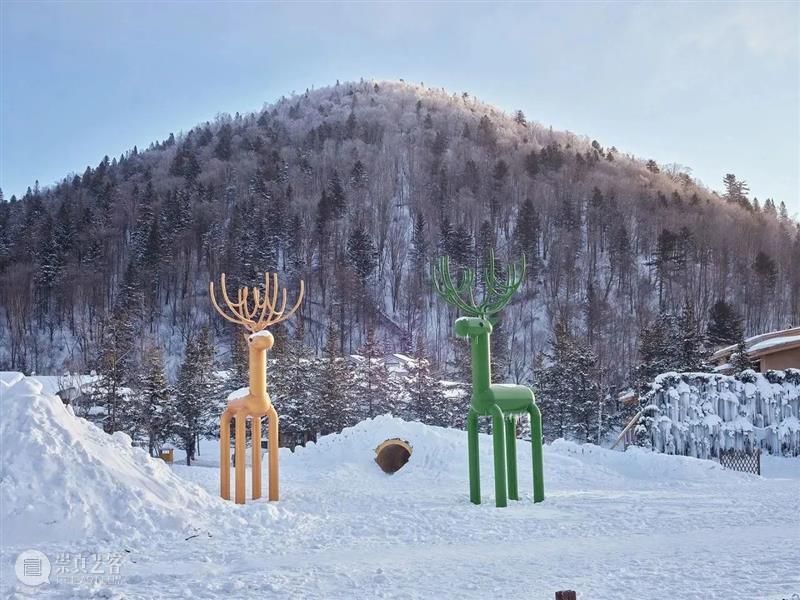
黑龙江省雪乡国家森林公园
Xuexiang National Forest Park, Heilongjiang, 2022
In the first aesthetic stage of photography, the photographer focuses on showing the beauty of the object itself and uses various means of photography to try to represent the beauty of the object. Until now, there are still a lot of photographers pursuing the flowers in spring, the moon in autumn, sunrise and sunset, and other types of natural beauty and even handsome men, and beautiful women. This aesthetic taste is determined by the object, the camera and the head behind the camera is in a subordinate position. In addition, when these photographers face the same "beauty" of the same object at the same time, the photographs will easily fall into the embarrassing situation of similarity.
In the stage of "the beauty of photography", photography enters the stage of exploring its own characteristics as an art medium and discovering the beauty of photography itself. For example, Ansel Adams developed a systematic photographic theory and technical means based on "Visualization" and " Zone System", which sublimated the clarity, tone and texture of photography into a "delicate aesthetic" of photography. Henri Cartier-Bresson, on the other hand, utilized the "Decisive Moment" to bring the "aesthetics of the moment" of photography into full play. In their hands, the camera became a magic box that transformed the mundane into the wonders.
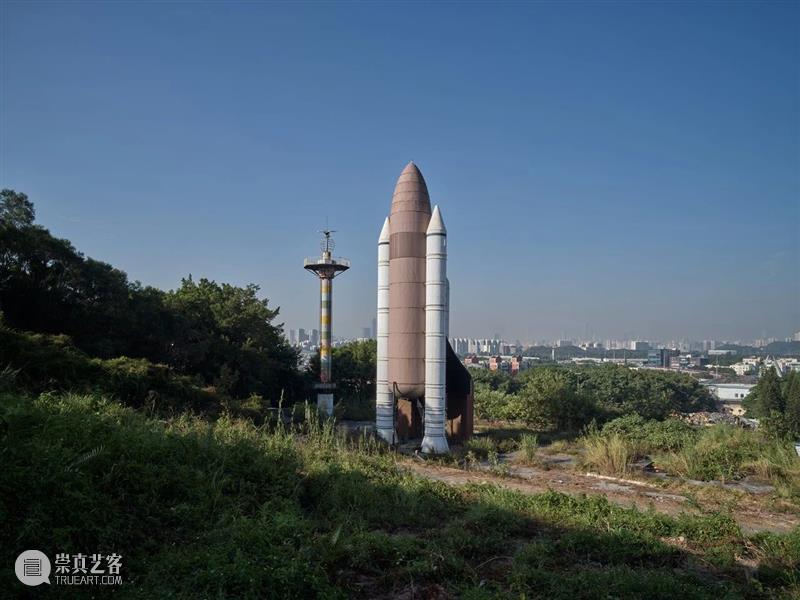
广州市黄埔区柯木塱原未来乐园旧址
Ke Mu Long Yuan Future Paradise site, Huangpu District, Guangzhou, 2022
After completing the discovery of the beauty of photography itself, the art of photography has further moved towards the path of personalization - personalized observation and personalized expression. In this new stage of using photography for personal reflection and presenting the artist's personal point of view, "profound thought" has become the standard of judgment for contemporary photographic art works. From "Social Landscape" to "Man-altered Landscape" to contemporary "landscape photography", it is a natural extension of this artistic logic of "beauty of thought".
Yin Jianfeng's observation of contemporary China is derived from his long-term personal observation and reflection, based on which he has established his personalized mode of expression of "Representation and Regrowth ". In his images of new landscapes, there is often a kind of "disharmony" - many of the elements in the images are not native to the environment in which they are located, but rather have been transplanted and grafted into them. For this reason, the existence of these elements is merely a " representation ", the most appropriate definition of these elements is so-called “kitsch”, and therefore their existence is to be criticized. These elements as cultural symbols, consumer symbols, and so on, for various reasons, have invaded and grown on the land of contemporary China in an alternative way, constructing a kind of "regrowth" which is very different from the original cultural ecology. With a vague uneasiness and sadness Yin Jianfeng chose to "recreate" these scenes to complete his personalized, gentle, but effective critique.
Another characteristic of Yin's works is his profound reference to Western art. Yin is well familiar with the history of Western art, and often adopts the spirit of the western world's classic paintings. Under a winter sun, on the snow-covered slopes, people sledding and laughing; on the other side of the scene is a man who drove alone under a high bridge and fished leisurely on the ice. These images are reminiscent of the sixteenth-century Dutch painter Pieter Bruegel de Oude's genre painting of European winter hunting and ice recreation. These images are reminiscent of the sixteenth-century Dutch painter Pieter Bruegel de Oude's landscapes of European winter hunting and ice recreation. In the face of these images, one can't help but marvel and think about the fact that four hundred years have passed, but even in today's consumer society, human beings' instinct of having fun is still unchanged.
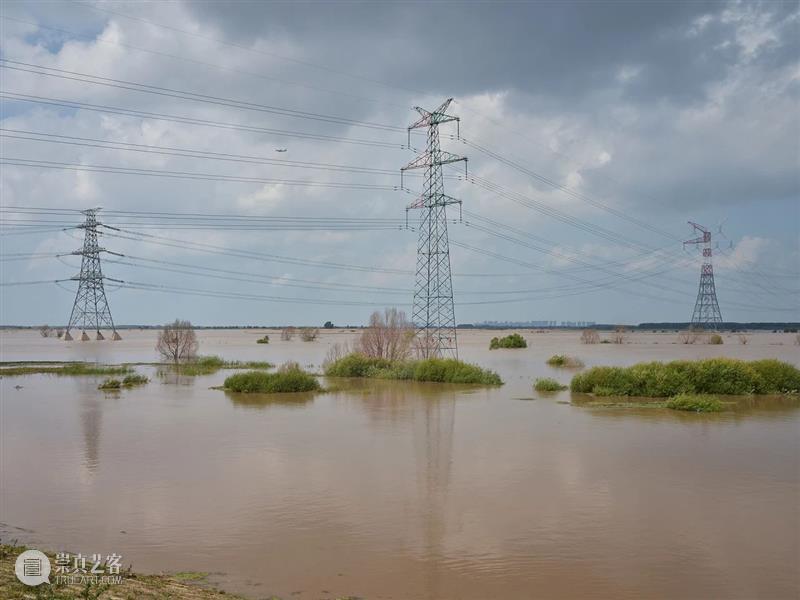
哈尔滨市道里区松花江支流苏家屯
Sujiatun, a tributary of the Songhua River, Daoli District, Harbin, 2021
In Yin Jianfeng's works in this exhibition, there is also a category of new landscapes with quite personal characteristics, and these landscapes contain a rich backstory. For example, behind the image of a gas station with an unusual company brand is the past of Hainan's reforms, behind the scenes of a lonely building is a thrilling social story, having the similarity with Joel Steinfeld's photographic album On This Site, which contains images of these unsettlingly normal places, ordinary landscapes left behind after tragedies. This kind of "story image" undoubtedly greatly expands the narrative width of traditional new landscapes and enhances the accuracy of its society-targeting.
Yin Jianfeng's works of new landscapes of contemporary China reveal the foundation of contemporary photography-thought, without which there is no art, no thought, no contemporary. These thoughts-filled images, following the spirit of "Social Landscape" and "a Man-altered Landscape", as well as the artist's personal views, feelings, and reflections, give us a lot of inspiration. The value of Yin's work is here, and so is the meaning of this exhibition.
ARTIST
Yin Jianfeng
Yin Jianfeng, Master of Engineering, born in Heilongjiang, now lives in Guangzhou. He participated in the Canadian International Photography Festival in 2018, holding a personal exhibition, and was nominated for a Jin Lu Award in 2018.
CURATOR
Zhao Gang
Zhao Gang, Master degree of Art (UK), Member of Photography Theory Committee of China Photographers Association. He served as a photographic expert for the Beijing Olympic Games (2008) and vice-president of the China Photography Press, etc. He is now engaged in the creation of photographic art and research on the history and theory of photography. He has held numerous exhibitions of his photographs abroad and in China and has written Studying Photography Abroad and A Brief Aesthetic History of Photography.




三影堂北京正在展出
三影堂厦门正在展出

三影堂厦门即将展出


 {{newsData.good_count}}

 {{newsData.transfer_count}}


 {{item.good_count}}k
已展示全部
{{item.publisher_name}} 发布了 文章
{{item.title}}
更多功能等你开启...


 分享
分享