
拾萬北京 | 即将展出 | 原良介:岩鱼的星空
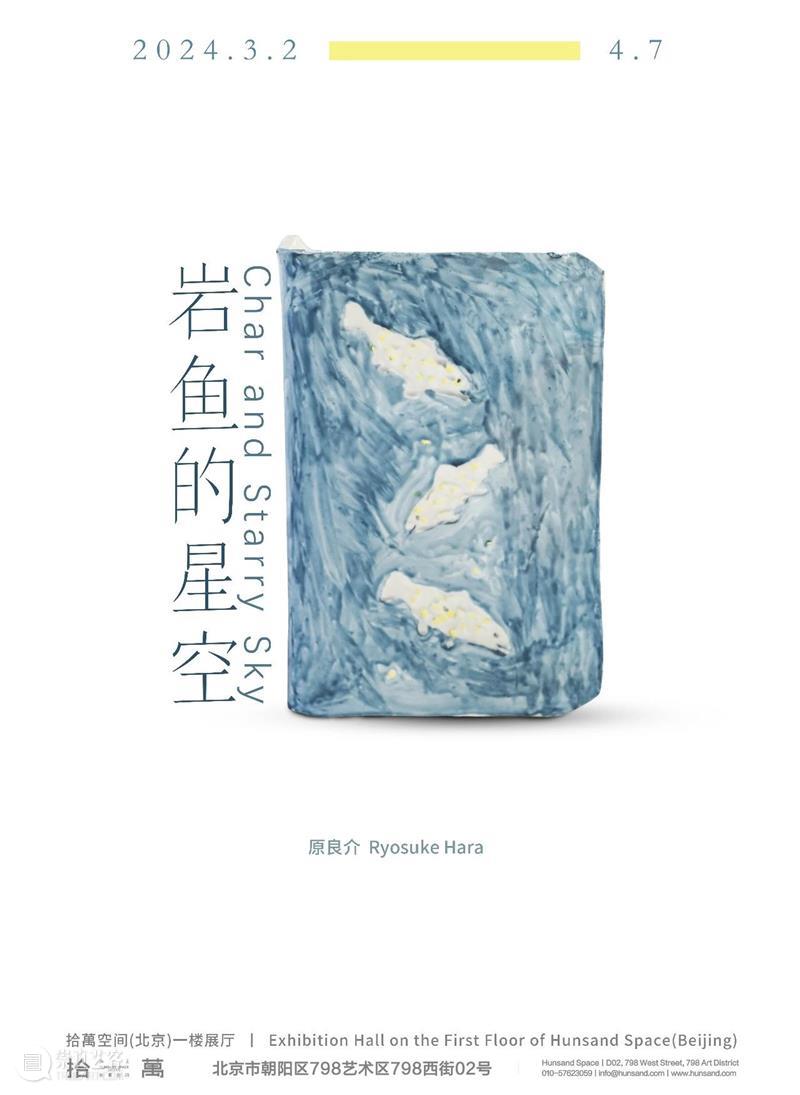
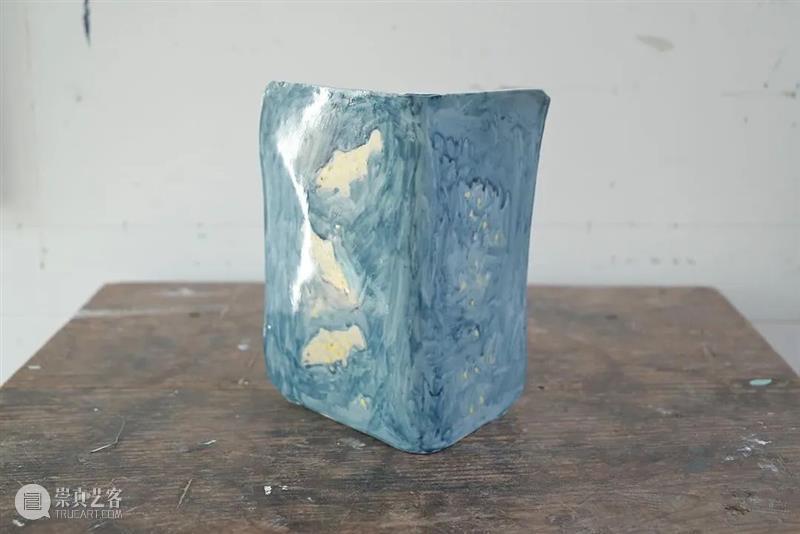
原良介|Ryosuke Hara
岩魚と星空 |Char and Starry Sky
釉上彩瓷器| Porcelain Overglaze
13×11×18.3cm
2024

Born in Kanagawa, Japan, Ryosuke Hara grew up in an environment close to mountain streams and rivers, where catching fish in the streams was his childhood pastime. The char here are timid and usually hide behind rocks, only peeking out at the starry sky when no one is around at night. On the other hand, the trout is agile and has been beloved by the Japanese since ancient times, revered as the "queen of the streams." These childhood memories continue to influence Ryosuke Hara's creations, reflecting the playful and free-spirited nature in his works.
Several years ago, Ryosuke Hara was captivated by a drawing by the renowned Japanese monk Myoe Shonin at the Miho Museum in Shiga. Myoe Shonin was famous for his nightly recordings of dreams in "Dream Records," but such illustrated works were extremely rare. The water bottle in the drawing is said to represent Kannon or Maitreya Bodhisattva, and to explore what the white light flowing out of the bottle symbolized, Ryosuke Hara created the "White Light of Myoe" series in succession. In the white light part of the painting, he did not use pigments but rather removed the existing canvas to reveal its presence in places where it should not exist. For the theme of the water bottle, he chose ancient pots fired in local kilns such as Ontayaki and Naeshirogawa to present. These materials from the land and the simple pottery fired for local life are also part of Japan's nature and climate, providing him with an opportunity to rethink the Japanese perception of nature and art.
Myoe Shonin established Kosho-ji Temple on Mt. Takao in Kyoto in 1206, where he spent most of his life in the mountains, living a rich and rigorous life in nature as a monk. Kosho-ji Temple houses national treasures such as "Birds and Animals at Play" and "Tree-Seated Meditation Images," as well as masterpieces of animal carvings such as divine deer and Eukyong. These works perfectly embody Japan's views on nature, religion, and art. Thus, under various circumstances, Ryosuke Hara's personal memories overlap with historical experiences, ultimately incarnating in his creations of the daily minutiae of the sun, moon, and stars, and the swimming fish and plants; while people are elusive among nature, cycling with them between this world, the present world, and the afterlife.
Ryosuke Hara,He born in Kanagawa, Japan by 1975. He graduated from Tama Art University, MFA in 2002. Now he lives in Tokyo.
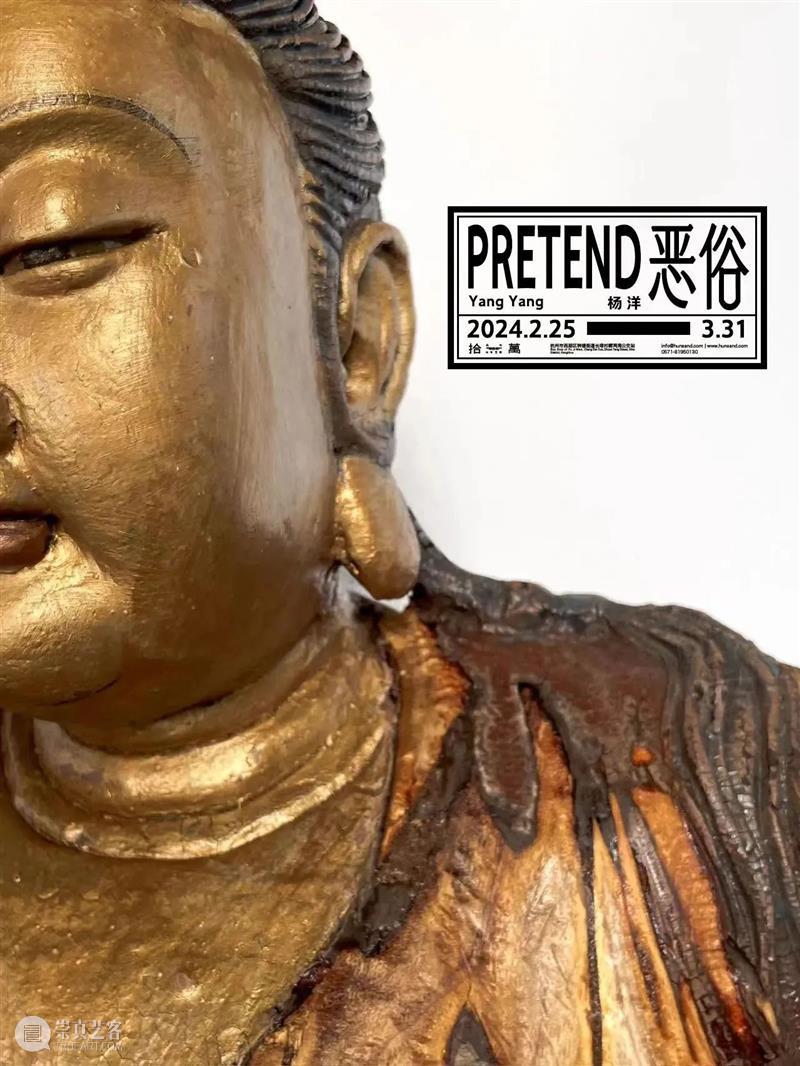 杨洋:恶俗
杨洋:恶俗拾萬 | 石家庄
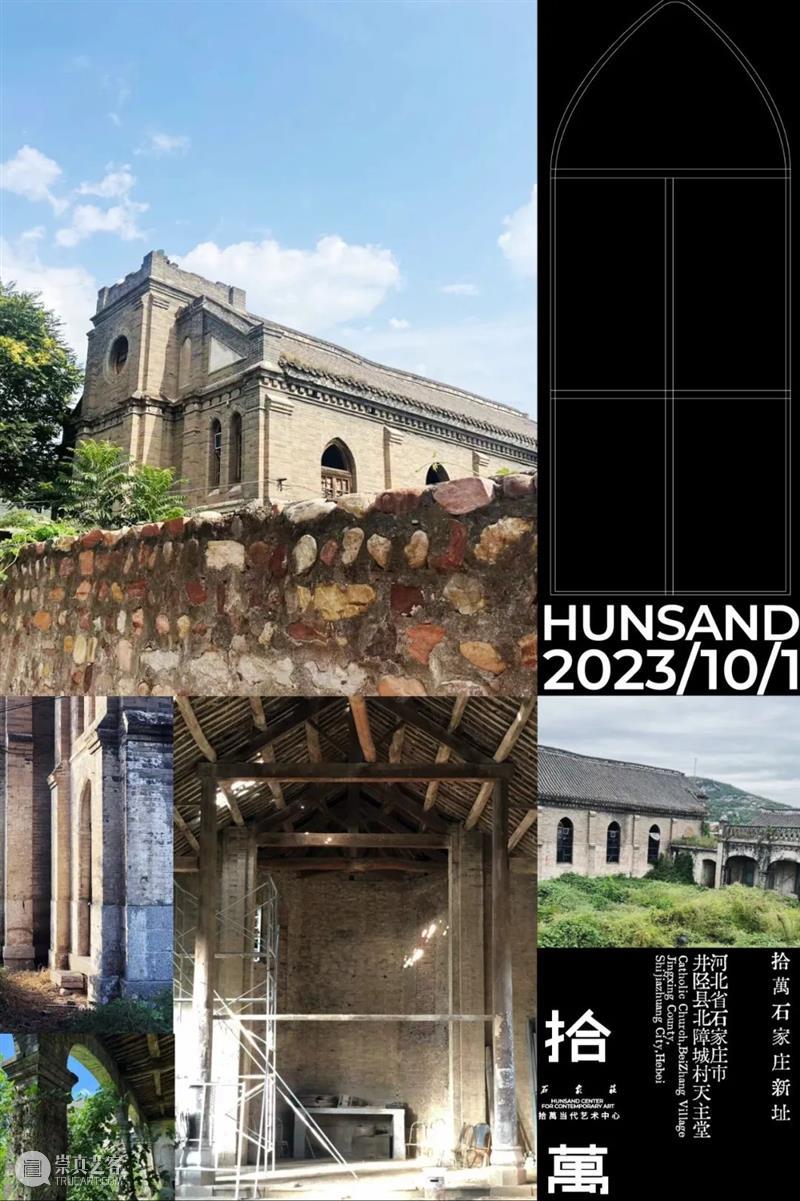
拾萬空间,于2014年成立于北京草场地艺术区,2018年迁址到北京798艺术区。2021年底开设石家庄分馆拾萬当代艺术中心,并于2023年底迁至石家庄市井陉县北障城村。2023年初在杭州市西湖区转塘街道的孵鸡湾建立分部。拾萬北京总部位于798包豪斯建筑集群中的一处二楼下陷式空间,石家庄分部深入到太行山古村落中的一座老教堂,而杭州空间则改造自龙坞茶山旁的一间农舍。拾萬空间对常规化的展览保持警惕,希望从当代艺术的语境出发,通过持续的展览和项目,来回应我们共同的生存境遇,激发出当下文化中被忽视的部分。
Hunsand Space was established in 2014 in the Caochangdi Art Zone of Beijing. In 2018, it relocated to the 798 Art District in Beijing. At the end of 2021, Hunsand Space opened a branch, Hunsand Center for Contemporary Art, in Shijiazhuang, and by the end of 2023, it had moved to Beizhangcheng Village in Jingxing, Shijiazhuang. In early 2023, a new branch was established in Fujiwan, Zhuantang, Xihu, Hangzhou. The Beijing headquarters of Hunsand Space is located within a sunken two-story building in the Bauhaus architectural complex within the 798 Art District. The Shijiazhuang branch delves deep into an old church within a historic village in the Taihang Mountains, while the Hangzhou space has been transformed from a farmhouse near the Longwu Tea Plantation. Hunsand Space remains vigilant against the standardization of exhibitions and aims to respond to our shared existential experiences, sparking the often overlooked aspects of contemporary culture through ongoing exhibitions and projects.

 {{newsData.good_count}}

 {{newsData.transfer_count}}


 {{item.good_count}}k
已展示全部
{{item.publisher_name}} 发布了 文章
{{item.title}}
更多功能等你开启...


 分享
分享