
START Article | Karen Smith on Artist Wu Di

“To judge a painting merely by its resemblance to reality is to judge at the level of a child”
——Su Shi (Su Dongpo),
Northern Song Dynasty
Two Poems on a Broken Branch Painted
by the Registrar of Yanling (verse 1)
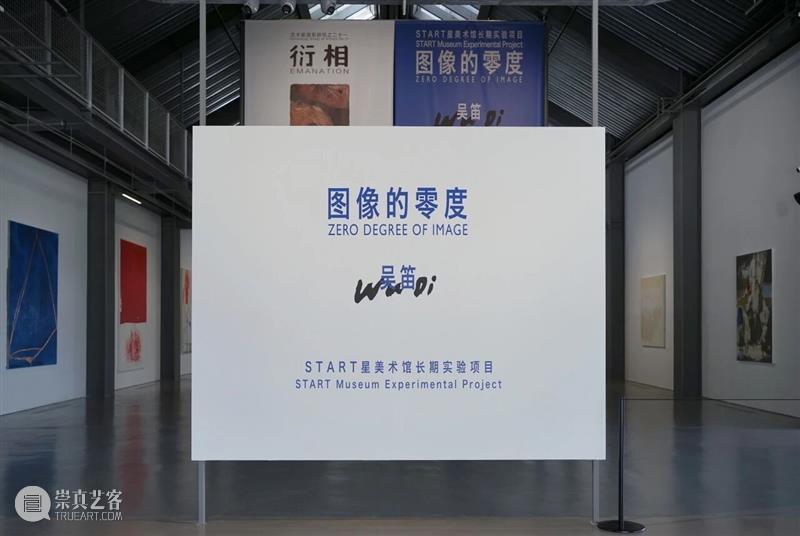
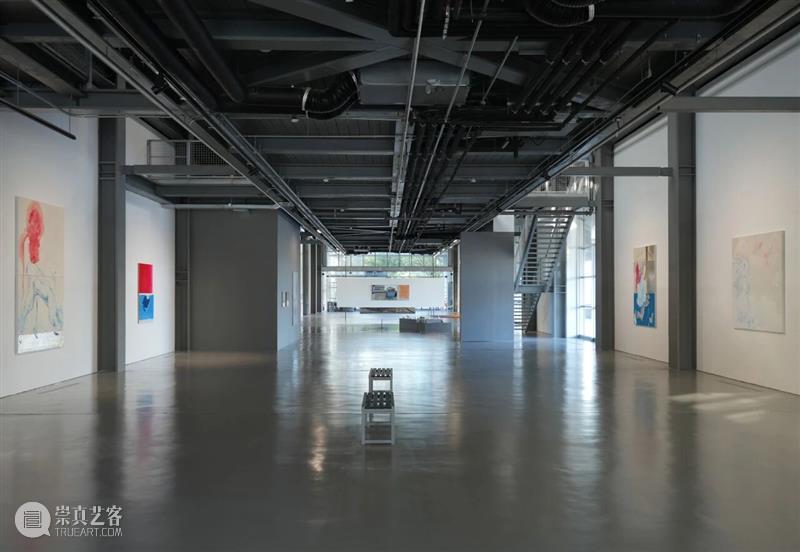
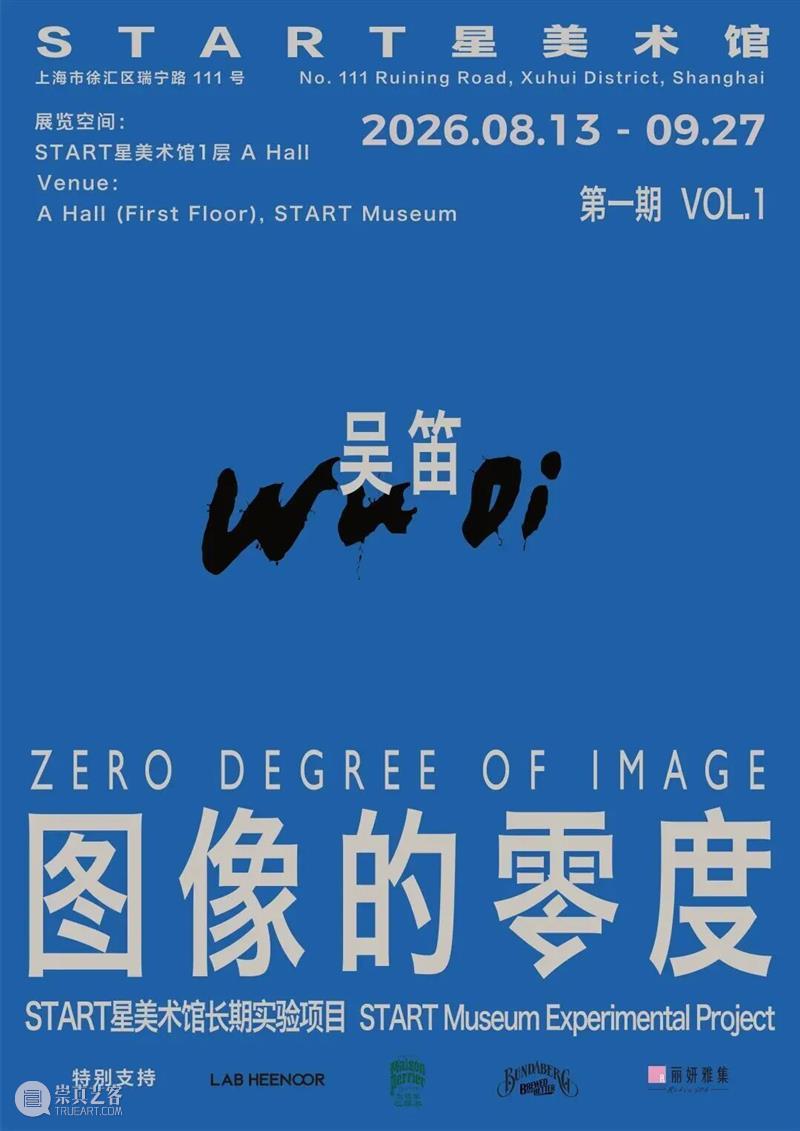
Exhibition View: Long-term Experimental Project “Zero Degree of Images” – Episode 1: Wu Di
START Museum, Shanghai
2026
Courtesy of START Museum
Photo ?Deng Jiaqi
Beijing-based artist Wu Di showed her first work in public in a group exhibition exactly 20 years ago; “Zero Degree of Images”– Episode 1: Wu Di is her first significant museum exhibition. It might be argued that she’s a late bloomer, though through these two decades, Wu Di has been far from idle. You’ve probably seen examples of her work previously in group exhibitions and not realised they were created by the same artist. You may even have seen one of the dozen solo presentations she has made through this same twenty-year period and experienced a similar confusion. To date, Wu Di’s practice has been distinctive for its lack of a signature style. She dispenses with visual unity, in favor of a relentless shifting of form, and an approach that niggles at questions rather than making bold statements. But don’t be misled by these words, or indeed by what you’ve seen before. There’s an unwavering cohesion to Wu Di’s thinking, and the sensibility she brings to her work is bold, fearlessly so. It’s just not always that obvious. The issue is perhaps that the task she tackles is challenging, in that she’s trying to deconstruct all that’s familiar about visual language; about what you know as “Art”. She aims to question the fundamental standards of seeing-as-knowing, together with the moral and intellectual values that art has, traditionally, taught audiences to hold dear.
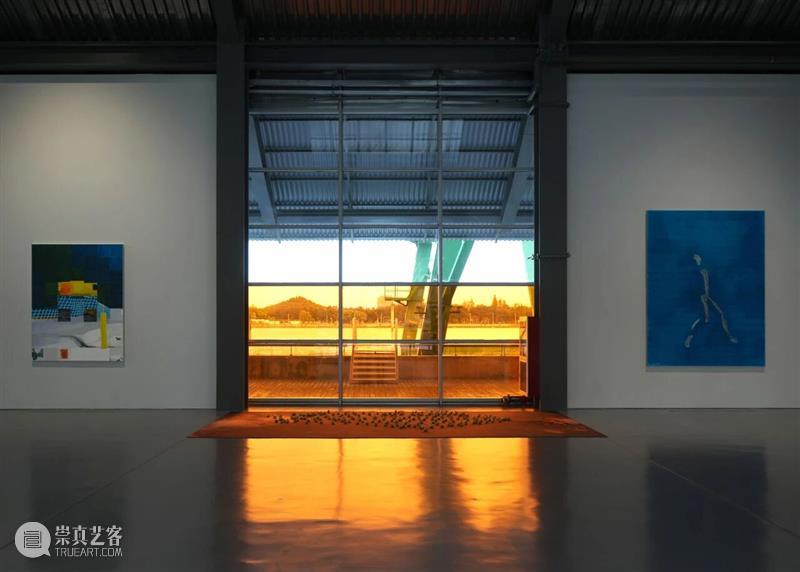
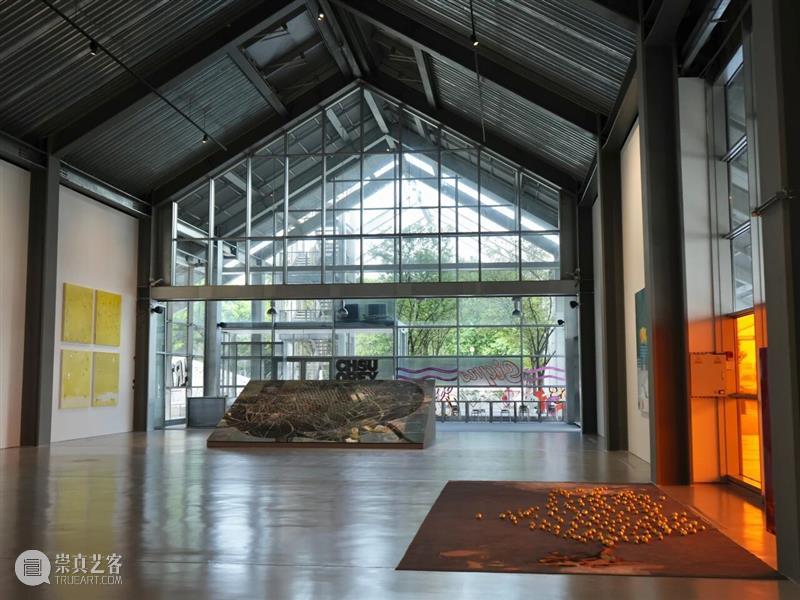
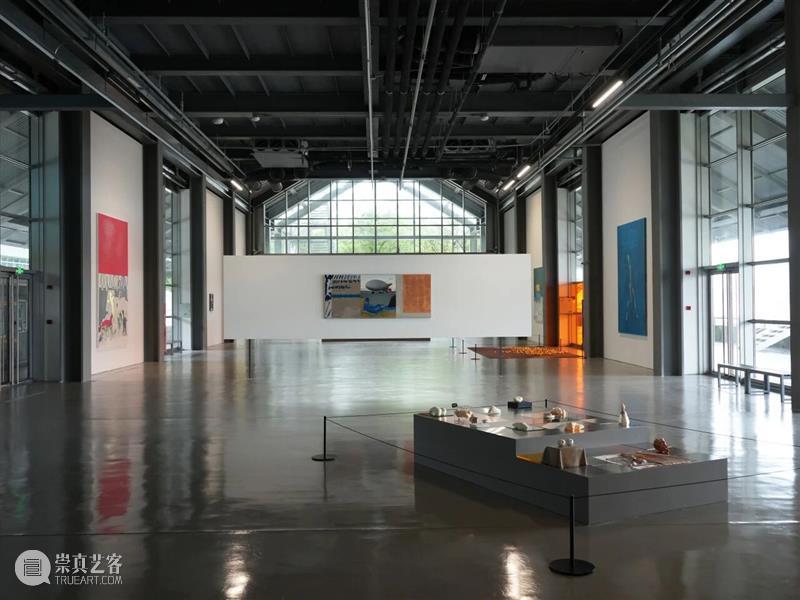
Exhibition View: Long-term Experimental Project “Zero Degree of Images” – Episode 1: Wu Di
START Museum, Shanghai
2026
Courtesy of START Museum
Photo ?Deng Jiaqi
On the one hand, where such intention sounds bold, arrogant even, she surely ought to tackle it with a certain discretion lest she fail. For what then? But the truth is that she’s as self-effacing as she is confident, but, equally, is as committed to succeeding as she is indifferent to art for art’s sake alone. Thus, she has spent the greater part of the last twenty years working in her studio.
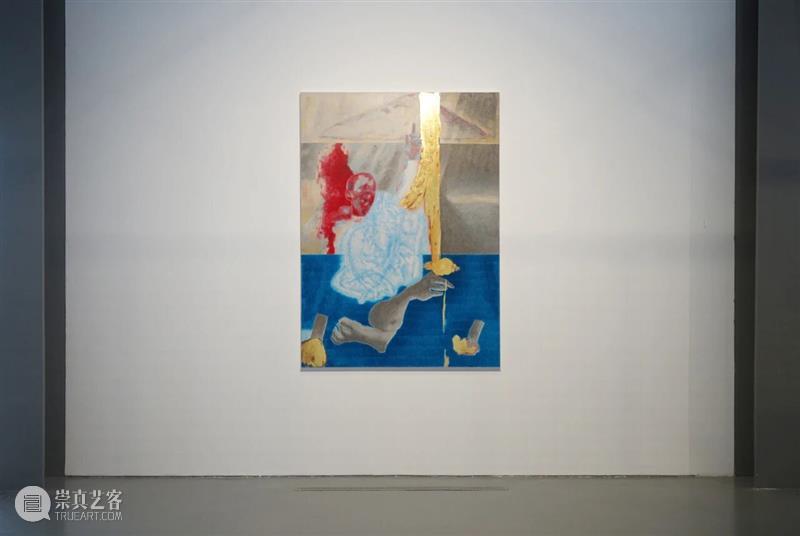
Wu Di’s art can, therefore, be disconcerting. Abstract in content and intent, sketchy in execution, it frequently eludes description in terms of any single technique, shifting between collages on paper, canvas, and board; mixed-media paintings on canvas and wood panels; mechanised installations with audio tracks as well as moving parts(Untitled (Breathe), 2026, coloured paper, media player, and vibrating speaker 108x76cm) ; and collections of objects that are neither entirely sculpted nor fully ready-made (Untitled, 2026, lemons, gold leaf, 300x600cm + the installation of small sculptures).
Untitled
Colorful paper, player, vibrating speaker
108x76cm
2026
Courtesy of START Museum
Photo ?Deng Jiaqi
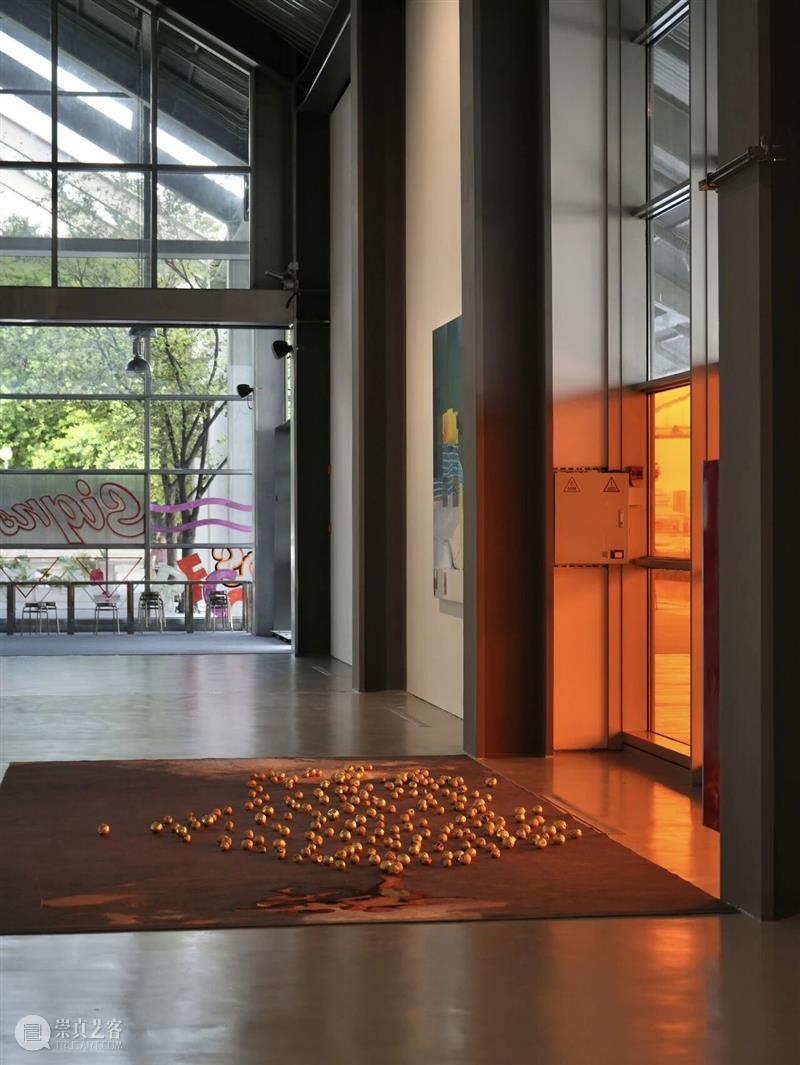
Untitled
Lemon, gold foil
300x600cm
2026
Courtesy of START Museum
Photo ?Deng Jiaqi

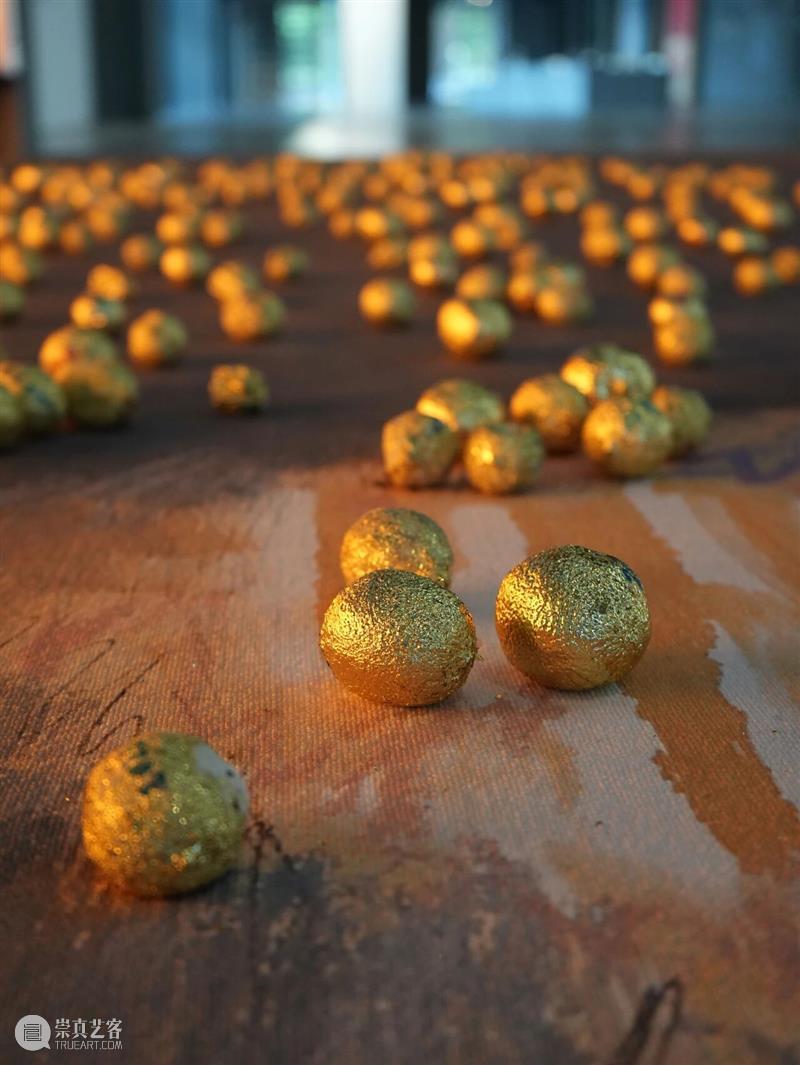
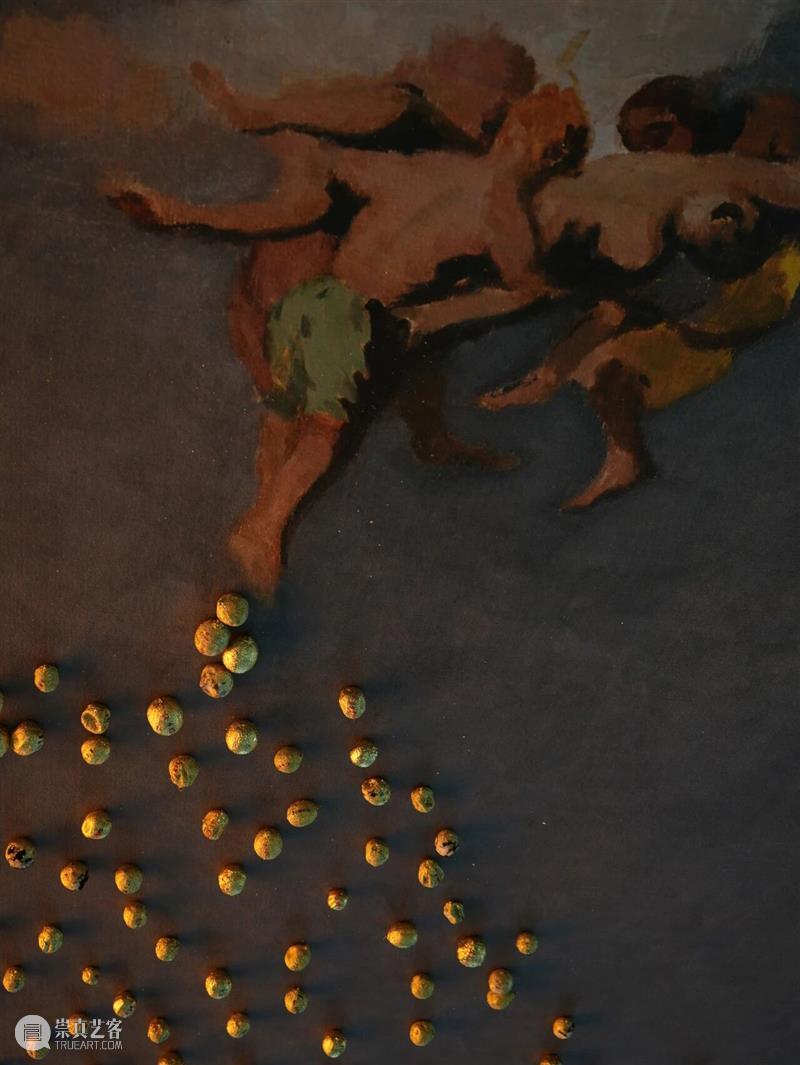
Untitled (Detail)
2026
Courtesy of START Museum
Photo ?Deng Jiaqi
The paintings show a preference for jittery lines, dry brushes scuffled over a surface, deconstructed fragments of familiar classical scenes rendered newly awkward and unfamiliar, often as gridded compositions involving gold or silver leaf.(Untitled, 2026, Oil on wood panel, archival inkjet print, collage, silver leaf, 50x60cm + Untitled, 2025, Oil on canvas, copper leaf, 100x240cm)
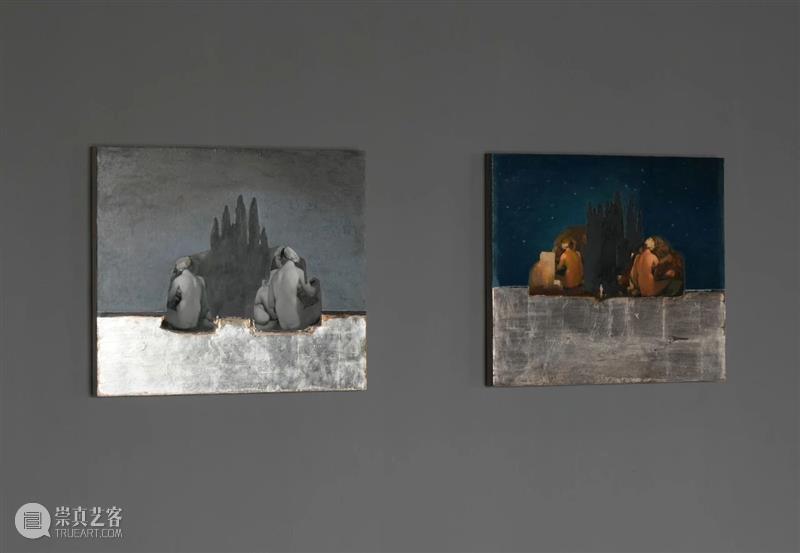
Untitled
Wood panel oil painting, archival-grade printing, collage, silver foil
50x60cm
2026
Courtesy of START Museum
Photo ?Deng Jiaqi
Untitled
Oil on canvas,copper foil
100x240cm
2026
Courtesy of START Museum
Photo ?Deng Jiaqi
Wu Di’s actions are impelled by doubt and frustration. From the start of her career, she has sought a form of communication through art that could be original, memorable, and not only within this age but on into the future. How, she asks, can a twenty-first-century artist present anything new or meaningful that has not been said to the jaded eyes of people today? As an artist, she knows only too well that the illusions which Art has projected through the ages are as beyond measure as their power is profound. To the extent that we are often powerless to read (to understand) what we see in the world, as in art, in any way other than that which we have been trained to. Is it still the case that artists can provide something other than conventional perspectives?
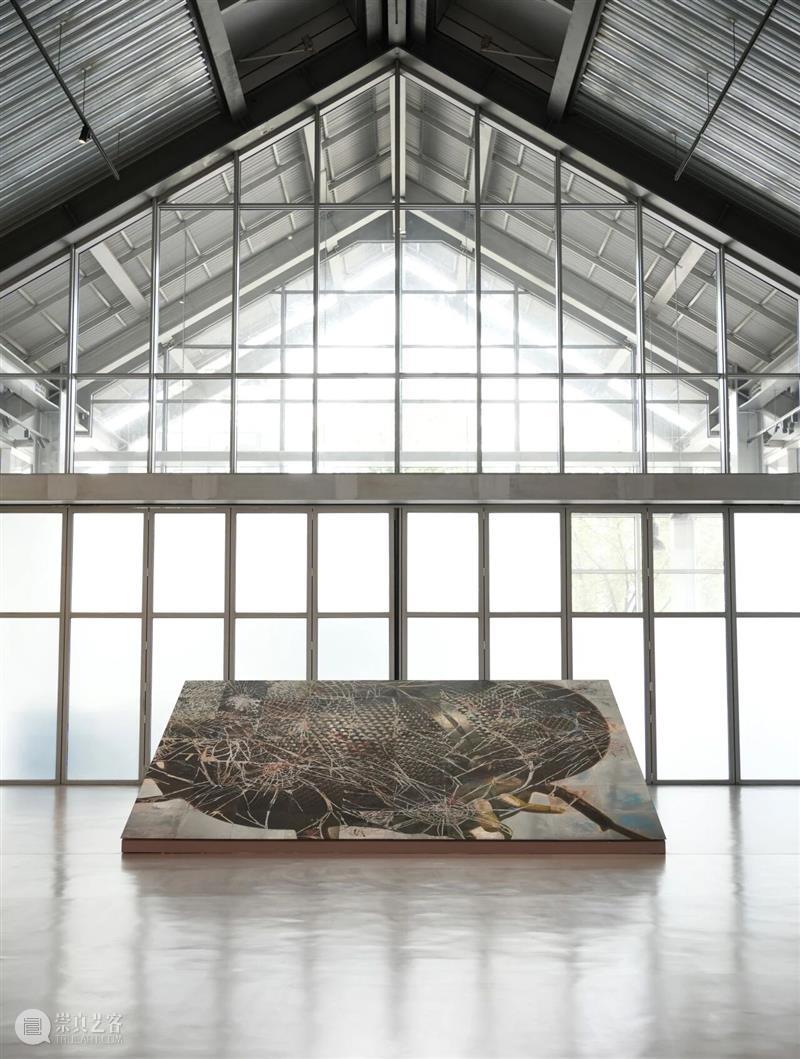
Exhibition View: Long-term Experimental Project “Zero Degree of Images” – Episode 1: Wu Di
START Museum, Shanghai
2026
Courtesy of START Museum
Photo ?Deng Jiaqi
Unravelling age-old conventions, exposing outmoded tropes, requires dexterity. Hence the diverse ways in which Wu Di’s practice unfolds as she attempts to break through fixed patterns of perception to address contemporary human experience. At times, she might use lines to draw what feels akin to figure painting; at others, to write, projecting words onto a surface as if graffiti (For example: Untitled, 2026, Acrylic on canvas, oil, transfer drawing, pastel, gold foil 336x228cm). You can read these words, just as you can trace the forms of the physical bodies Wu Di depicts, yet nothing in her visual depictions is to be taken at surface – textural or material – value. The references she draws upon run deep, as do the emotions that underscore the works, but Wu Di is not interested in moving viewers in the way that we assume Botticelli was in creating his Venus, or Swiss Symbolist Arnold B?cklin (1827–1901) was with his landscape painting Isle of the Dead (Die Toteninsel) from 1880. Instead, where she uses references to Renaissance art and religious painting, to recent-era documentary and news photographs, it is to question the ways in which information is read, interpreted, and its “facts” taken for granted. In short, how values, morals, and standards are defined, upheld, disseminated, and enforced. As mentioned, part of her process has involved appropriating motifs and familiar compositions from art history, which she chopped up as if to test what power they retained when placed in a different, unfamiliar configuration. The elements she references function as tools, as probes, as questions; a Punk-like urge to shake things up, to turn the known world and its conventions upside down. All the while, seeking an answer to the challenge of how to be relevant as an artist today.
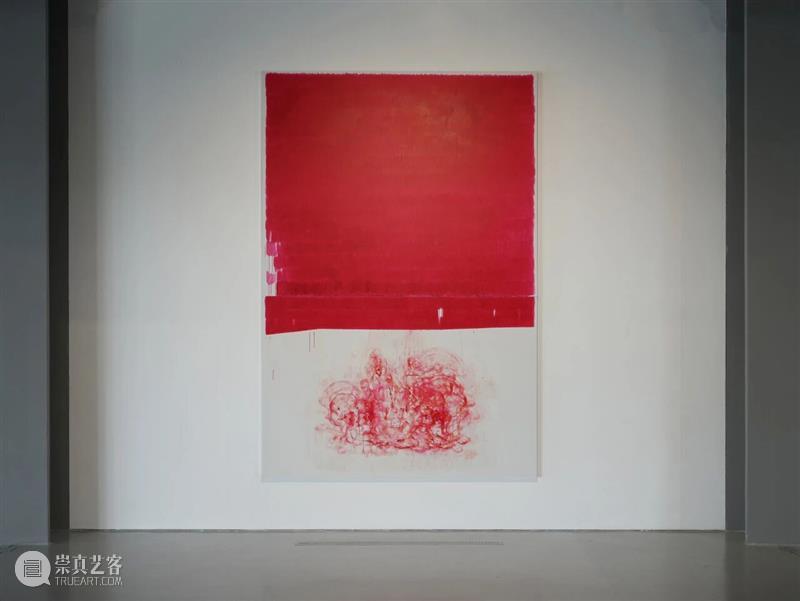
Untitled
Acrylic on canvas, drawn on transfer paper, mixed with plaster base and acrylic
336x228cm
2026
Courtesy of START Museum
Photo ?Deng Jiaqi
“Zero Degree of Images” – Episode 1: Wu Di confronts viewers with the broad range that has come to characterise Wu Di’s approach. At the same time, it reveals how this recent phase of her artistic practice (2024 to now) springs from a singular fount of inspiration, energy, and intent. In her deft harnessing of brutal emotions like ambition and desire to the fragility of the human ego, the new works represent a breakthrough in the expression they give to the epochal shift we sense is underway right now but cannot clearly describe, for such sensations cannot be readily illustrated in the way that painting traditionally sought to do. To attempt to do so using conventional painterly realism, for example, would reduce them to nothing more than the definable symptoms of explainable causes. The anxious concerns Wu Di addresses lie beyond simple definitions or readily identifiable causes.
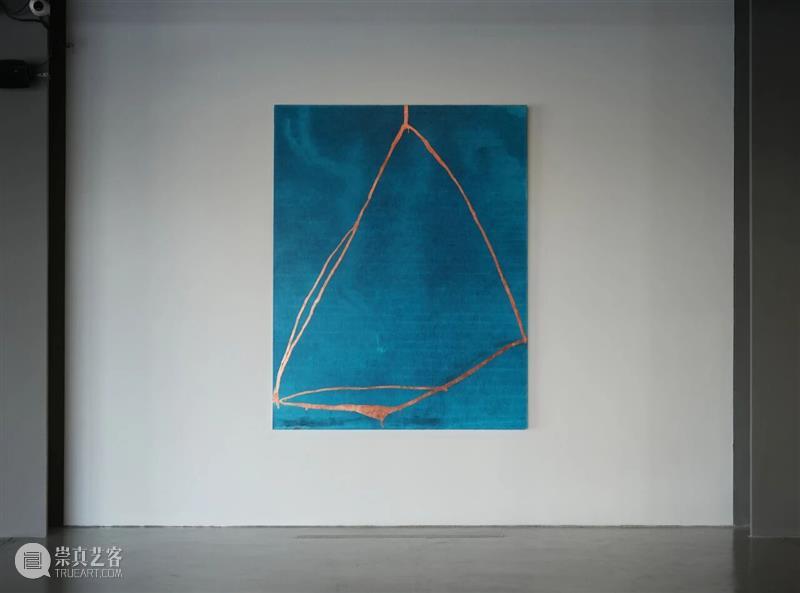
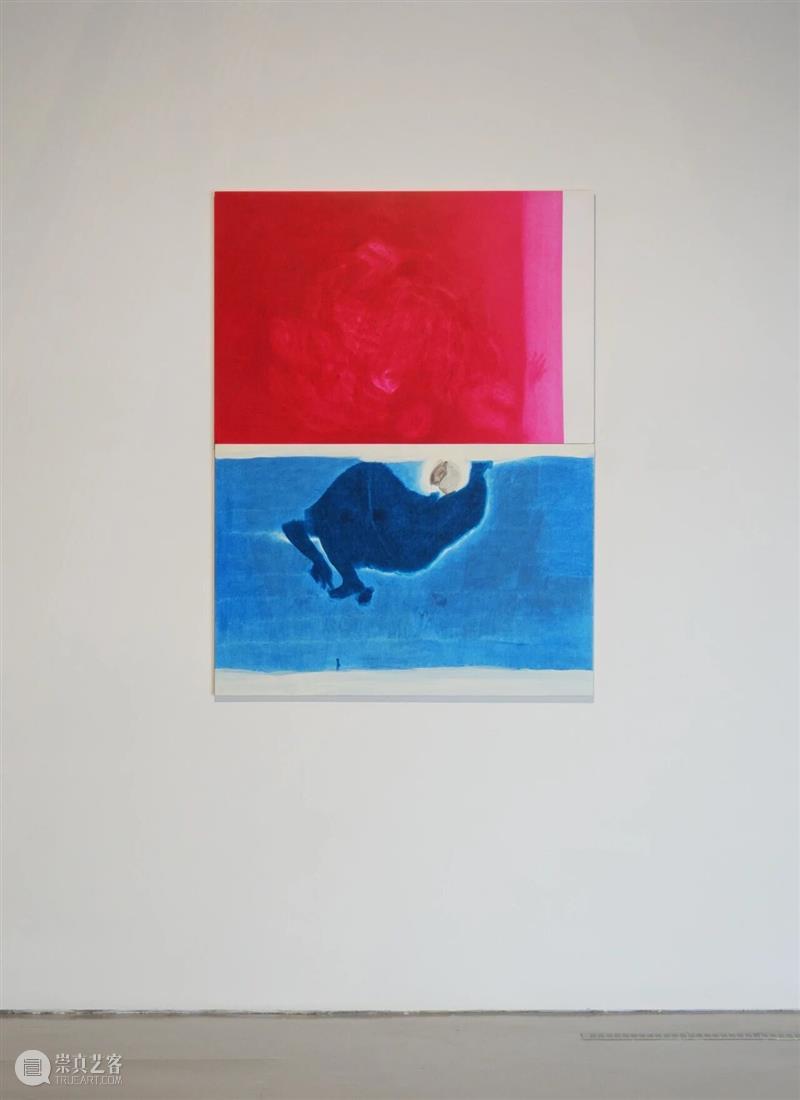

Exhibition View: Long-term Experimental Project “Zero Degree of Images” – Episode 1: Wu Di
START Museum, Shanghai
2026
Courtesy of START Museum
Photo ?Deng Jiaqi
The works presented in this exhibition also reveal a significant expansion in terms of scale and vision. Individual paintings are far larger than Wu Di has previously attempted. Whereas in the past, she has preferred surfaces like wood and paper, the new paintings are on canvas, across which Wu Di makes a lot of marks, mixing up materials in a quest for spiritual resemblance that transcends mere appearance. The forms hinted at are at once fragile and powerful; the body as a physical entity, a psychological aura that represents a state of being. Or, of how we experience the world. While the colours are habitually strong and primary, everything about these works feels transparent or translucent. The pictorial space is also undefined. There's very little within the compositions that is intended to be solid; all is ambient, ghostly, intangible, and all the more convincing for it.
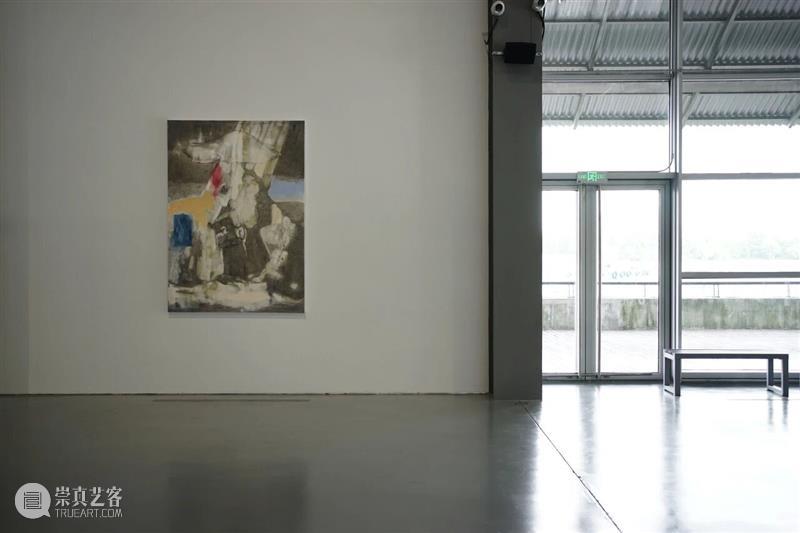
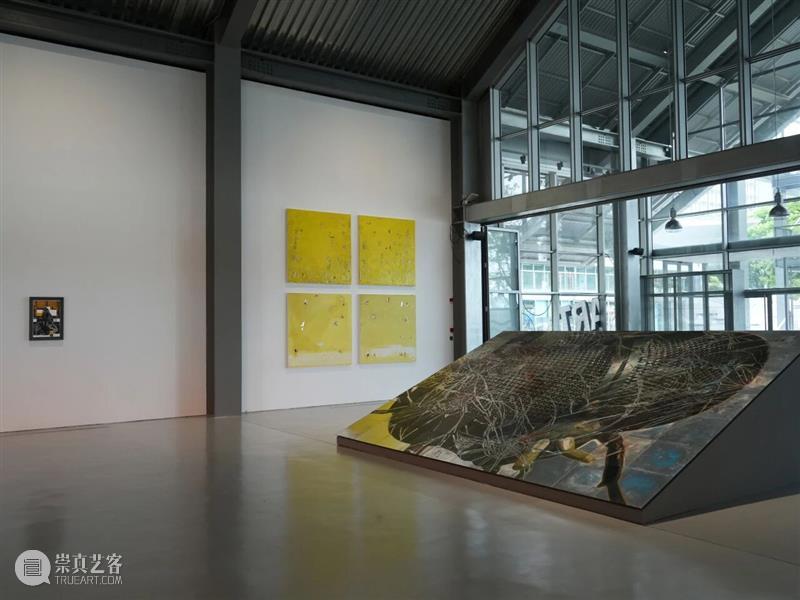
Exhibition View: Long-term Experimental Project “Zero Degree of Images” – Episode 1: Wu Di
START Museum, Shanghai
2026
Courtesy of START Museum
Photo ?Deng Jiaqi
So how should you approach these works? One possibility is to see Wu Di’s practice as evolving within her specific cultural context; the internationalized present that is China, suffused with the particular aesthetic sensibilities that are the legacy of its cultural history. While she’s distinctly vanguard in the Western art historical sense of the term, she clearly draws on the poetic expression and philosophical values of Eastern traditions. Long before Western art arrived at Impressionism or Expressionism, ink painters in China understood that a successful work of art, in this case painting, does not merely describe reality. And, at the same time, whilst not departing from form, does not dwell on it. The highest attainment in ink painting is described as "capturing spirit through form"; achieving a wonder that “lies between resemblance and non-resemblance." We might think of Wu Di’s approach in terms of calligraphy, where the power of the writing always lies "beyond the strokes", or outside of them, for only then can subject and object achieve a harmony that is "spiritual resemblance". Any sense of the spiritual that Wu Di seeks is that of the present age, not of an idealised past. But the point here is, in an encounter with Wu Di’s art, to look beyond the obvious, and immediate impressions and, just as she seeks beyond convention, allow yourself to look again and your imagination flex its muscles. Wu Di’s art is intuitive, yet conscious of its every mark and motif; an artistic expression that is a language unto itself, a puzzle to be solved. Perhaps for now, not every work will make sense to every viewer (what art does?), yet, beyond the diversity visible in Wu Di’s practice is a versatility and dexterity that are not just emblematic of our times, but which just might speak of our times to future generations.

About Author
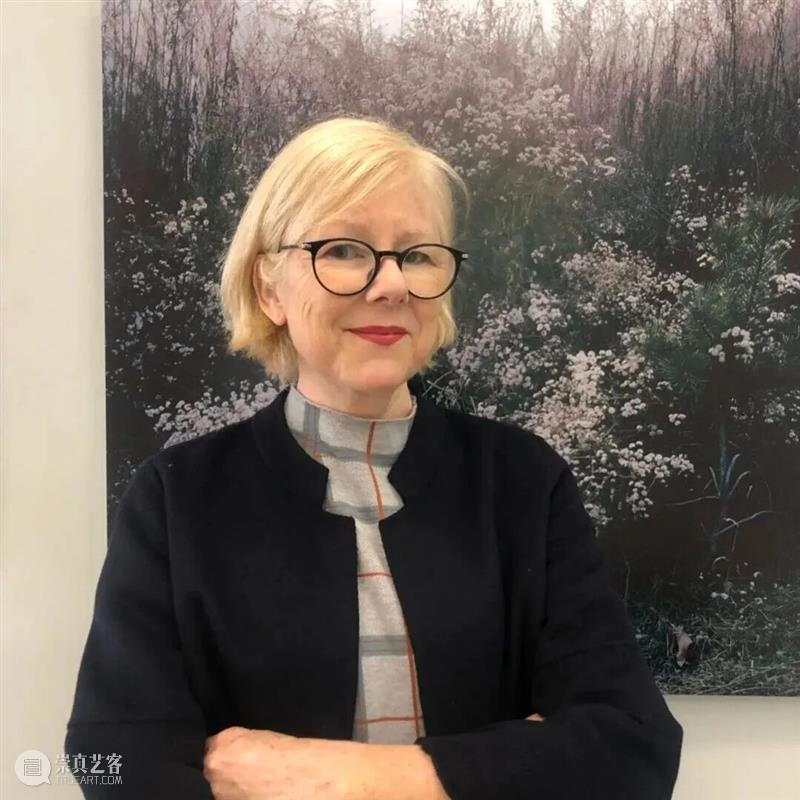
Karen Smith
Curator and writer Karen Smith has been dedicated to the study of Chinese contemporary art since relocating to China in 1992. She began her career as an independent practitioner and was formally appointed Executive Director of OCAT Xi'an in 2012. In 2021, she joined the De Ying Foundation to lead its academic activities, and currently oversees the De Ying Curatorial Fellowship program, launched by the foundation in spring 2022.
Smith has curated or co-curated numerous group and solo exhibitions both domestically and internationally. Notable projects include: Who Is He? A Retrospective of Geng Jianyi (co-curated with artist Yang Zhenzhong) at the Power Station of Art, Shanghai (2022) and UCCA Beijing (2023); Regarding the Expressions of Materials at OCAT Xi'an (2022); Me and You: Alec Soth at the Shanghai Center of Photography (2020); Beyond Ink: Works by Chinese Artists at Pera Museum, Istanbul (2019); Photographing a Thousand Miles: Ten Views of Heaven and Earth at the Shanghai Center of Photography (2018); Overpop (co-curated with Jeffrey Deitch) at Yuz Museum, Shanghai (2016); Tihu: A Double Solo Exhibition of Duan Jianyu and Hu Xiaoyuan at the Rockbund Art Museum, Shanghai (2013); and The Real Thing: Contemporary Art from China (co-curated with Simon Groom and Xu Zhen) at Tate Liverpool (2007).
In addition, Smith continues to write, producing monographs and exhibition catalogues on contemporary art and artists. Her major publications include Nine Lives: The Birth of Avant-Garde Art in New China (Scalo, 2006 / Timezone 8, 2008) and the three-volume Luminous series, which chronicles the Chinese contemporary art scene (Houlang Publishing House / UCCA, 2011, 2013, 2015).

▼
正在展出



 {{newsData.good_count}}

 {{newsData.transfer_count}}


 {{item.good_count}}k
已展示全部
{{item.publisher_name}} 发布了 文章
{{item.title}}
更多功能等你开启...

 分享