
慢问快答 | 李鼎:拍的是什么是最不重要的事
参展艺术家(按拼音首字母顺序排列)
Artists (by alphabetical order)
*下文为万一空间与艺术家的原创采访。内容由万一空间整理,并经受访者校核。
L:李鼎
Q:万一空间
01. 「五脊六兽」
L:湖南省是地球上同纬度地区冬天最冷的地方(同纬度另一边是阿拉伯半岛)。冬天室内只有7、8度,东北人去了会冻哭的;夏天又热到43、44度。长沙冬天一个月也没几天有阳光,过完冬天后又要连续下一个月的雨。地质灾害全年又是全国最多的省份之一,只不过没有台风。长沙人嘴刁,好吃的小吃、饭店特别多。长沙人也特别会骂人、损人,骂人的词可能比夸人的词多十倍,但又是刀子嘴豆腐心。
东北人的幽默是刻在骨子里的,关键是说出来的话全国都能听懂。尤其是在工厂待过的人,各种段子特别多。不像有些方言里的幽默,往往只有说方言的人自己能听懂。沈阳的日照条件很好,天晴的天数远多于长沙。尤其冬天,有非常适合黑白摄影的优质阳光,太阳的角度也比较斜,影子会拉得很长。东北人的饭量比湖南人大很多。沈阳还有全国最好的韩式、朝鲜族式泥炉烤肉。东北人是温室里的花朵,室温低于20度他们就会觉得冷,超过30度又会觉得热了。
Q:在你的日常里,什么瞬间让你觉得自己最「五脊六兽」(请分享一个私人、甚至有些荒诞的“闲散/焦虑”瞬间)?
L:疫情期间实在无事可做,学了飞FPV穿越机,然后就去朋友画室里飞穿越机、追猫,然后再表演一个飞机钻裆。 很闲的时候肯定是把功放打开,听音乐。
Q:古建上的五脊六兽象征着秩序,而时至今日,你认为城市中是否还留存着某种潜在的秩序,又或者更多的还是当代的「?脊之兽」?
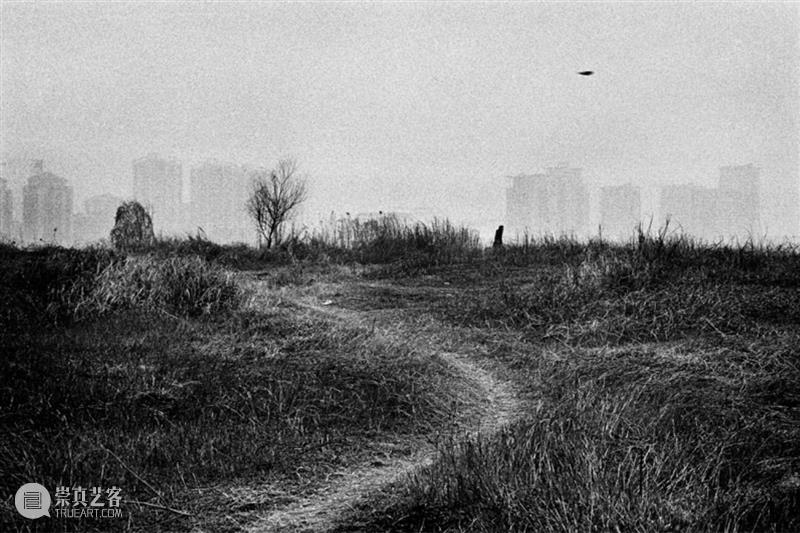
L:荒野里自然生长的植物,还有那些没有人工痕迹的河滩、土路,都很好看,大自然用时间把它们慢慢雕琢出一种很自然、很不突兀的形体。市里就总有很多难看的人工背景,新建的东西尤其如此,难看的偏,特别考究又特别舒服的装潢并不多,甚至可以说很稀少。反倒是老城区那些有年代感的老建筑,会有一种经过岁月打磨后的好看。
这是我从拍黑白照片的角度看城市和户外景色的一种方式。
Q:这次展览中我们选择了你在2018-2019年的部分摄影作品,你认为这次的一组作品面貌可以怎么解读呢?
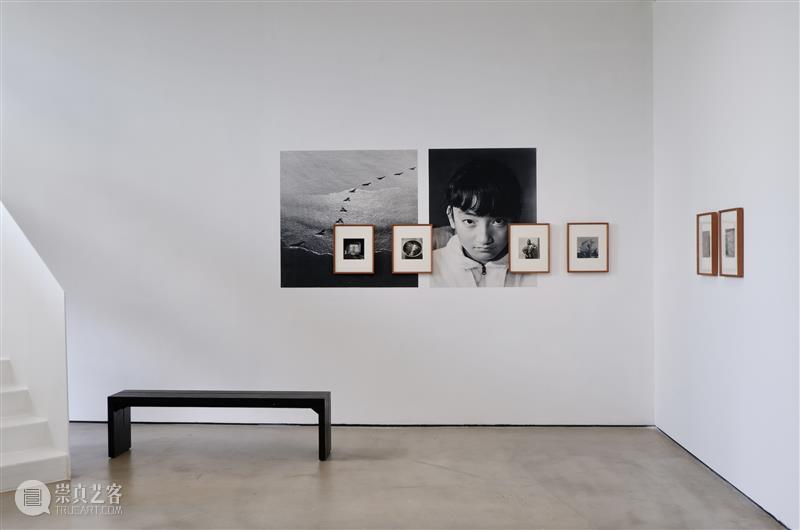
L:那些并不是我个人最喜欢和觉得重要的几张照片,但放在你们精心准备的展览环境看也挺好。
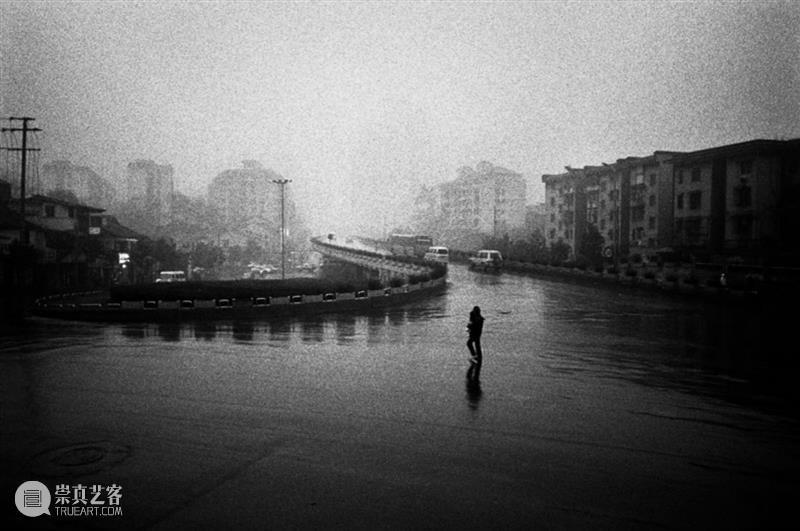
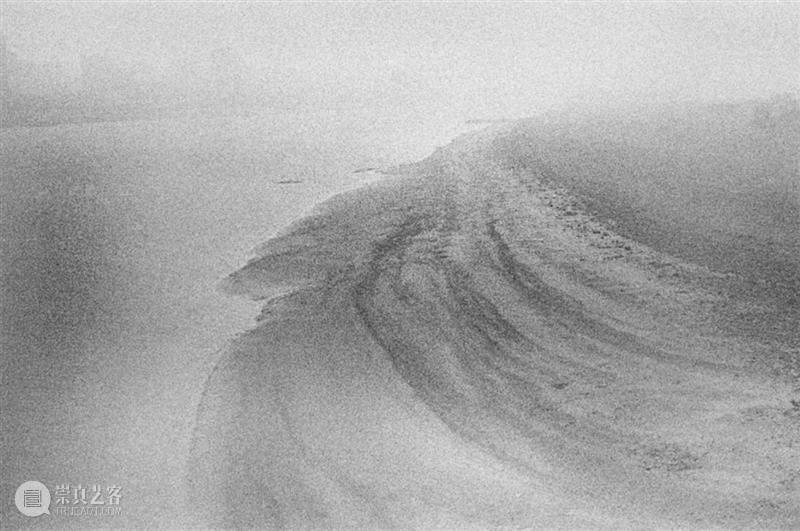
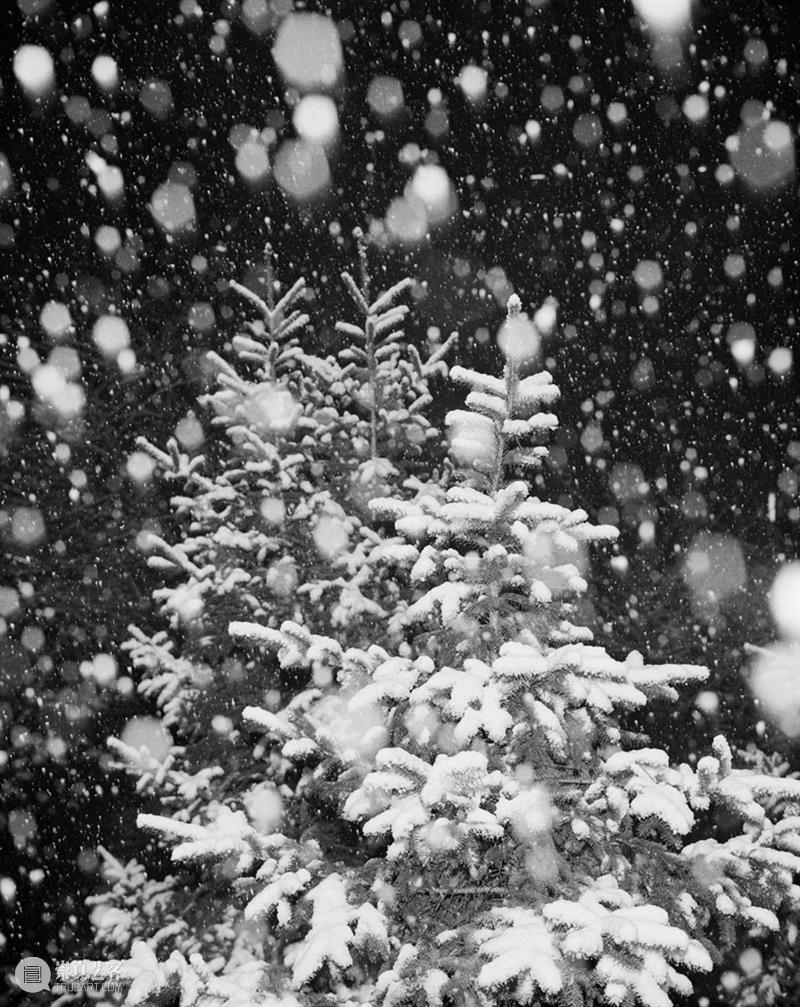
黑白照片其实不需要解读内容。黑白摄影的美学是非常明确的,如果一张黑白照片需要用文字去给观看者解释和说明,我觉得那肯定不是一张好看的黑白照片。拍的是什么是最不重要的事。
Q:可以再给我们分享?个类似「五脊六兽」这样的??俚语吗?
L:长沙话“羊五六宗”, 意思是胡说八道;“鬼舞十七”,说人不正经胡闹。这种四个词的俚语在长沙话里有一大堆。
02. 「北方」
Q:你印象中故乡里最大的?次转折是什么?
L:长沙成了旅游网红城市以后,外地人越来越多,也出现了很多专门给游客打卡的地方。有些开小店的人甚至听不懂长沙话。还有就是交通规划比较糟糕,路上越来越堵。同样是十多公里的车程,在沈阳开车可能只需要二十多分钟,在长沙可能就要开四十多分钟。
Q:怎么从你的作品中理解地方性?
L:纬度会决定太阳在天空中走过的角度。在黑白摄影语言形成的年代,好看的照片还是更多出现在高纬度地区。我只有寒暑假才有相对长的时间开车去选择拍摄地点。其实我挺想在秋天庄稼长得最旺的时候,到中原和西北拍一拍,但那个时候肯定在上课,所以我拍的照片比较集中,大多都在冬季的北方。在南方拍的都是灰蒙蒙的、没有阳光的景象。南方有很多美景,比如烟雨,更适合直接用眼睛去看;当它变成黑白照片以后,原本的气氛、感觉和情绪反而变糟了。
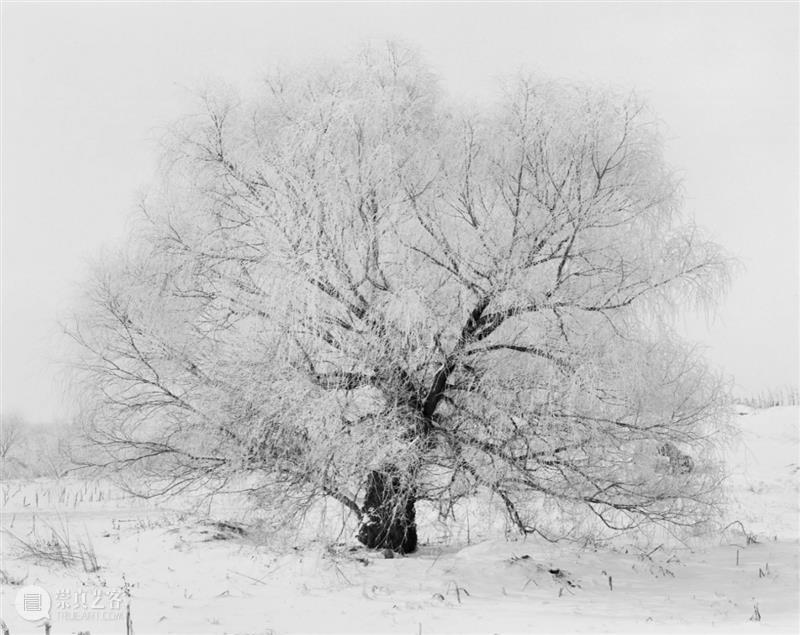
有些东西你用眼睛看并不好看,但做成黑白照片后,又会觉得它变辉煌好看了,比如斑驳的金属、刺眼的冰、有质感的皮毛等等。
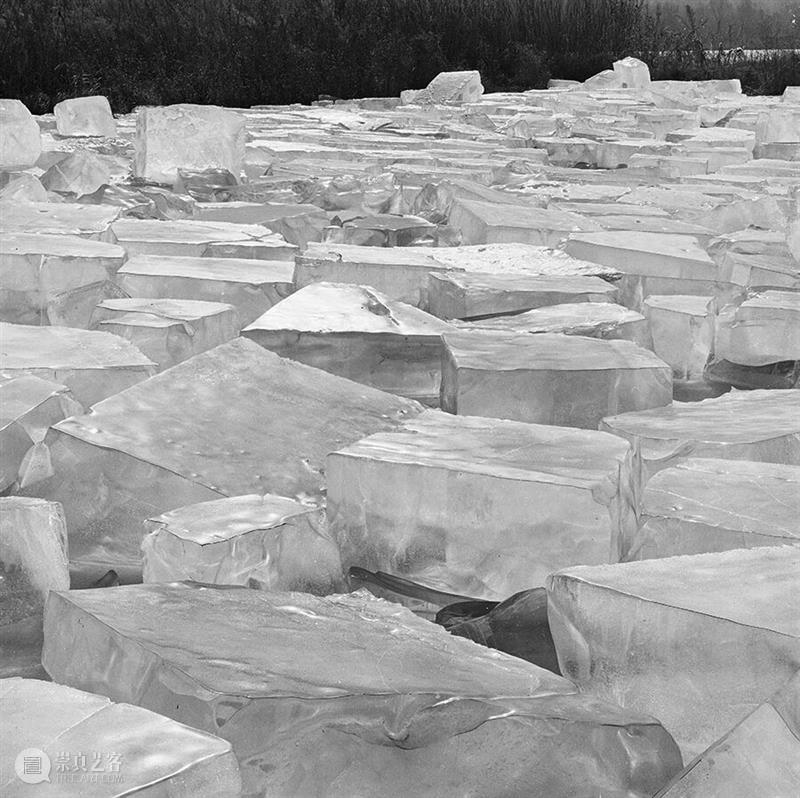
湖上的冰 Ice on the Lake
李鼎 Li Ding
18 × 18 cm
明胶银盐照片 Gelatin Silver Print
2019 摄于沈阳棋盘山

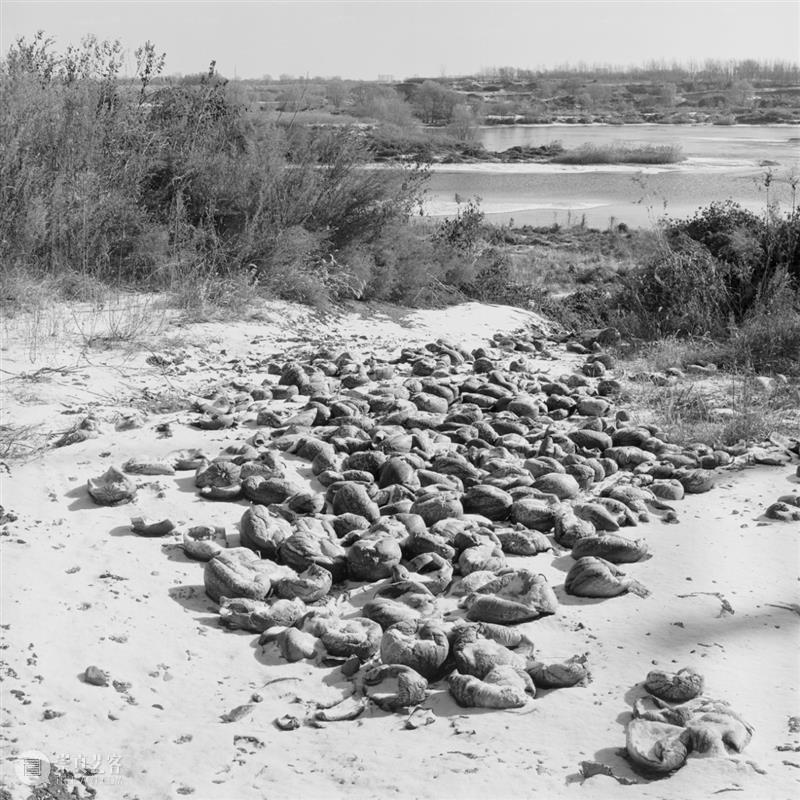
铁皮 Iron Sheet
李鼎 Li Ding
18 × 18 cm
明胶银盐照片 Gelatin Silver Print
2019 摄于沈阳
Q:本次深圳展览的切入点,是南方视角下对北方的想象,你又是唯一一位某种意义上从南方地区离开,长期生活在沈阳的参展艺术家。你当时去往北方之前对此有什么想象,以及现在觉得南北方有什么差异呢?
L:去北方之前,我不知道还有那么厚的衣服和裤子。冬天北方是很冷,但你从头到脚也可以穿得很厚,能在户外呆住,越往北走太阳越不在头顶,太阳升上了一点就横着走了,这样所有物体都有长长的影子。
南方的夏天,太阳在头顶物体的影子是围着物体一圈,但南方夏天的热,你是肯定不想在室外呆着的,更不要说背着沉重的大相机和三脚架不停地走。
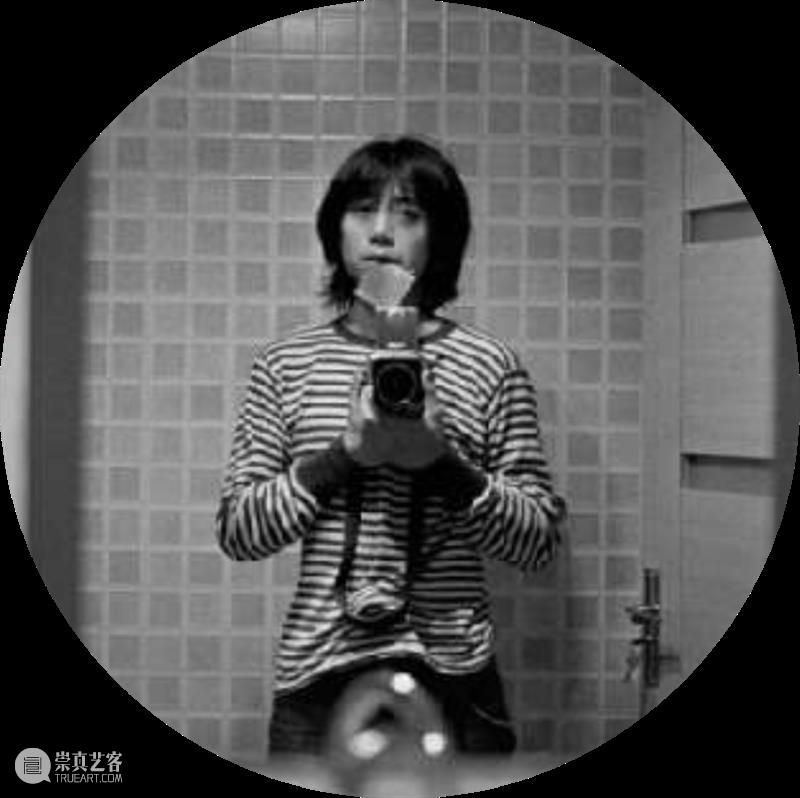
李鼎
Li Ding
李鼎(b.1982,湖南长沙),1995年得到第一台照相机,2004年毕业于鲁迅美术学院摄影系,专研暗房工艺和古典摄影工艺。2008年至今任教于鲁迅美术学院影像艺术学院(现跨媒体艺术学院),现工作生活于沈阳。
李鼎专注于黑白摄影与手工暗房工艺,主要以明胶银盐相纸印放、硒调呈现作品,钟爱拍摄树与冰等自然物。其取材延续了直接摄影中的黑白摄影传统,也参照缇娜·莫多蒂、布拉沃对不同纬度光线的处理方式。他将摄影视为纯粹的视觉游戏,与“表达”无关,如好音乐愉悦耳朵,好照片只需愉悦眼睛,无需文字阐释,看懂即可。
Li Ding focuses on black-and-white photography and handcrafted darkroom printing, primarily producing gelatin silver prints finished with selenium toning. He is particularly drawn to photographing natural subjects such as trees and ice. His choice of subject matter continues the tradition of straight black-and-white photography, while also drawing on the approaches to light employed by Tina Modotti and Manuel álvarez Bravo under different geographical conditions. He regards photography as a purely visual game, unrelated to "expression." Just as good music simply pleases the ear, a good photograph only needs to please the eye. It requires no textual explanation—one simply needs to see it.
其他参展艺术家(按拼音首字母顺序排列)
Other Artists (by alphabetical order)
马宏法
Ma Hongfa
马宏法(b.1984,山东)于西安美术学院毕业,现生活工作于浙江杭州。受历史、时代、家族、地域等综合影响,这位 80 后艺术家偶然且必然地成为了 “中国古典雕塑精神的一个探索者与实践者”。
在艺术家层层递进营造的个人创世神话系统中,体现了他意识形态的再现与叙述,对古代作品的研究与当代语境化的转译。马宏法的作品超越了时间,他使不同脉络圆融,并重新纳入自己当下的讨论语境。艺术家对艺术史与材料质感的充分把握,赋予其作品以独特的仪式空间与精神性与神圣空间的营造。马宏法曾多次参与国内外重要艺术展览,其作品也被多个艺术机构及私人藏家所青睐和收藏。
Ma Hongfa (b. 1984, Shandong) graduated from the Xi’an Academy of Fine Arts and currently lives and works in Hangzhou, Zhejiang. Influenced by history, his era, family background and regional culture, this post-1980s artist has, both accidentally and inevitably, become an explorer and practitioner of the spirit of classical Chinese sculpture.
Within the artist’s layered and evolving personal mythology, his ideological reconstruction and narration are revealed, alongside his research into ancient artworks and their contemporary contextual translation. Ma Hongfa’s works transcend time; he integrates different historical contexts and reintroduces them into his own contemporary discourse. His profound understanding of art history and materiality endows his works with a distinctive ritualistic space, as well as the creation of spiritual and sacred environments. Ma Hongfa has participated in numerous significant domestic and international exhibitions, and his works have been widely appreciated and collected by various art institutions and private collectors.
宋元元
Song Yuanyuan
宋元元(b.1981,辽宁沈阳),2005年毕业于鲁迅美术学院摄影系,现生活工作于沈阳。他的绘画以影像、照片和各式图像作为其灵感的参照来源,作品中现实与幻影交织重组,互斥的两者使得画面产生极具冲突感的魅力。
他的艺术语言源自那些充斥周遭的日常风景,有些仅是极端平庸通俗的环境,又或空洞地记载人们活动后遗留的残余痕迹。宋元元的绘画抛弃了叙事性和对空间感的营造,他试图使用现代诗歌的碎片式的叙事方式,通过有意识的生硬的物的拼贴置换来表达一种情绪,将诗歌用文字传达情绪的方式转化为图像的排列,并探讨其中匿名携带的美感暴力。
Song Yuanyuan (b. 1981, Shenyang, Liaoning) graduated from the Photography Department of the Luxun Academy of Fine Arts in 2005 and currently lives and works in Shenyang. His paintings take images, photographs, and various forms of visual materials as sources of inspiration. In his works, reality and illusion intertwine and are reconstructed, creating a compelling tension through the coexistence of these two contradictory elements.
His artistic language originates from the everyday landscapes that surround us, including environments that are extremely ordinary and commonplace, as well as the traces and remnants left behind by human activities. Song Yuanyuan’s paintings abandon narrative structures and the construction of spatial depth. Instead, he attempts to employ a fragmented narrative approach similar to modern poetry, expressing emotions through deliberate and rigid juxtapositions and substitutions of objects. He transforms the way poetry conveys emotions through language into the arrangement of images, exploring the anonymous aesthetic violence embedded in them.
王溪曼
Wang Ximan
王溪曼(b.1990,辽宁沈阳)是一位活跃于中国和欧洲的行为艺术家。她的创作有着反抗精神的内核,关注和探究身份认同、性别流动、权利不平、失能、碎?化信息……并持续通过多媒介探索?身及在表演创作中外在和内在的关系。2015年至今,参加欧洲多地艺术节及?作坊,并举办个展与群展。
王一韦
Wang Yiwei
Wang Yiwei, born in 1983, graduated from Tianjin Academy of Fine Arts.
He has long been disenchanted with painting. The reason he still paints is that he believes his paintings are good and it would be a pity not to paint them. Moreover, he is truly happy and that's all.
王越冉
Wang Yueran
王越冉(b.1995,吉林长春)2022年本科毕业于鲁迅美术学院;2026年硕?毕业于中央美术学院雕塑系。现工作生活于北京。
王越冉是一个时常会沉浸于各种叙事系统中的人。他乐衷于此,但又?法不对它们产?怀疑。正是在??这样一种?盾而杂合状态下,他不排斥对各种媒介的尝试,甚?以过量媒介的杂合来制造?种非媒介化的状态。因为对于王越冉来说,?我都在表征为一种媒介化。
Wang Yueran (b. 1995, Changchun, Jilin) received his bachelor’s degree from the Luxun Academy of Fine Arts in 2022 and his master’s degree from the Sculpture Department of the Central Academy of Fine Arts in 2026. He currently lives and works in Beijing.
Wang Yueran is an artist who often immerses himself in various narrative systems. He is drawn to them, yet cannot help but question them. It is precisely within this contradictory and hybrid state of being that he embraces experimentation with different media, even employing an excessive mixture of media to create a state of non-mediatization. For him, the self itself is always manifested through a process of mediation.

 {{newsData.good_count}}

 {{newsData.transfer_count}}


 {{item.good_count}}k
已展示全部
{{item.publisher_name}} 发布了 文章
{{item.title}}
更多功能等你开启...


 分享